
Turn knob, ignite burner, adjust flame, cook, ventilate, and stay safe.
If you want a simple, trusted way to cook fast, a gas stove delivers. In this guide, I’ll show you how to use a gas stove with confidence. You’ll learn safe setup, lighting methods, flame control, cookware tips, cleaning, and fixes for common problems. I’ve cooked on gas for years in home and test kitchens. Let me walk you through what works, what fails, and how to keep your meals and your home safe.

Safety checks before you start
A good cook starts with a safe setup. Before you learn how to use a gas stove, make a quick check. It takes less than a minute. It can prevent fires or gas leaks.
Do these checks first:
- Look for a steady blue flame on each burner. A small yellow tip is fine. Big yellow flames mean poor burn.
- Make sure burner caps sit flat and snug. A crooked cap leads to uneven heat.
- Sniff for gas. If you smell rotten eggs, do not light the stove. Open a window. Turn off the gas supply. Leave and call a pro.
- Turn on the range hood or open a window. Good airflow keeps the air clean.
- Keep flammables away. Move towels, oven mitts, and paper far from the flame.
- Tie back long hair and roll up sleeves. Loose fabric can catch fire.
- Place a lid nearby. A lid can smother a small pan fire fast.
How to use a gas stove: step-by-step
This method works for most modern stoves. If yours is older or uses a match, see the manual section below.
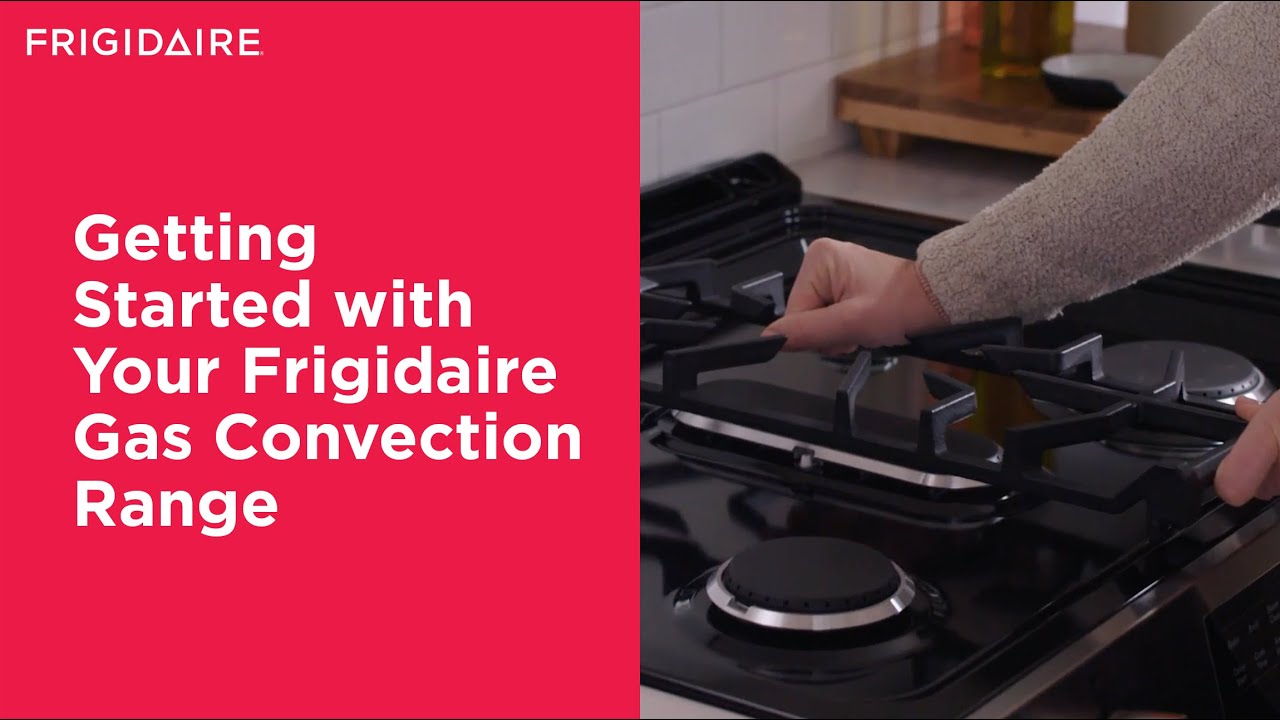
- Vent first. Turn on the hood to medium. Or crack a window.
- Pick the right burner. Match pan size to burner size for best heat.
- Check the knob. Each knob maps to a burner. Read the icons.
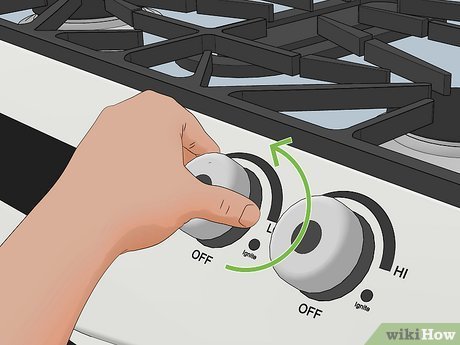
- Light it. Push and turn the knob to Ignite or High. You will hear clicks. The burner should light in a second or two.
- Set the flame. Turn the knob down to the heat you want. A blue, even flame is ideal.
- Place the pan. Center it on the grate. Make sure it sits flat and steady.
- Cook and adjust. Turn the knob to control heat fast. Gas gives instant change.
- Turn off. Turn the knob to Off. Check that the flame is out.
Manual light with a match or lighter:
- Vent the space first.
- Hold a long match or lighter near the burner ring.
- Turn the knob slowly to Light. Pull your hand back once it lights.
- Set the flame and cook.
Pro tip from my kitchen: When teaching a friend how to use a gas stove, I ask them to light the burner with no pan first. This builds confidence and helps them see how the flame responds to small knob moves.

Flame control and heat management
Heat control is the superpower of gas. Once you know the signs, you can simmer sauce or sear steak with ease.
Use these simple cues:
- High heat. Big blue flames that lick near the pan edge. Great for boiling water and quick sears.
- Medium heat. Flames touch the pan base but do not wrap around it. Good for sauté and pancakes.
- Low heat. Small blue nubs that barely kiss the pan. Best for simmer and melting.
Aim for a flame that stays under the pan. If flames rise past the sides, you waste fuel and risk scorching. For gentle sauces, a flame the size of a pencil line works well. To sear, preheat the pan on medium, then bump to high only as needed.
If you wonder how to use a gas stove for slow cooking, consider a heat diffuser. It spreads heat and prevents hot spots. I use one for custards and rice to avoid burnt bottoms.

Cookware that works best on gas
Good pans make a big difference. Gas gives fast heat and fast changes, so your pan should handle swings well.
Top picks:
- Stainless steel with an aluminum or copper core. Even heat. Durable.
- Cast iron. Amazing sear and heat retention. Warm it slowly to avoid shock.
- Carbon steel. Lighter than cast iron. Great for stir-fries.
- Hard-anodized aluminum. Even and responsive. Easy to clean.
Tips I use every day:
- Use flat-bottom pans. Wobble wastes heat and can tip food.
- Match pan size to burner. A small pan on a giant burner can scorch edges.
- Avoid very thin pans on high heat. They can warp and burn food.
- Keep handles turned inward. This prevents bumps and spills.
If you are learning how to use a gas stove for wok cooking, a round-bottom wok with a wok ring can focus heat well. Heat the wok until a drop of water skitters, then cook fast.
Ventilation and indoor air quality
Cooking releases heat, moisture, and tiny particles. Gas flames add nitrogen dioxide and carbon monoxide in small amounts. Good airflow keeps the air fresh and safer to breathe.
Make these habits routine:
- Use a vented range hood every time you cook. Set it to medium or high.
- If you lack a vented hood, open a window and use a fan that blows air out.
- Keep filters clean. Wash metal baffles in hot soapy water each month.
- Install a carbon monoxide alarm near sleeping areas. Test it twice a year.
Health guidance suggests vented hoods reduce indoor pollutants from cooking. If you cook often, strong ventilation matters. This is part of learning how to use a gas stove the right way, not just the fast way.

Cleaning and maintenance
A clean stove is safer, smells better, and cooks more evenly. It also lasts longer.
After each use:
- Let the grates cool. Wipe spills with a damp cloth. Dry them well.
- Clean the control panel with a soft sponge. Avoid soaking the knobs.
Weekly or as needed:
- Remove grates and burner caps. Wash in warm, soapy water. Dry fully.
- Clear clogged burner ports with a soft brush or a straightened paper clip. Do not enlarge the holes.
- Wipe the surface with a mild cleaner. Avoid harsh abrasives that scratch.
- Keep igniters dry. If wet, let them air dry before lighting.
If the flame looks weak or yellow after cleaning, the cap may be off-center. Reseat it. Good maintenance is a big part of how to use a gas stove safely over time.

Troubleshooting common issues
Small issues are common and easy to fix. Here is how I handle the ones I see most.
Gas smell
- Do not light anything. Turn off burners. Open windows. Leave the area.
- Turn off the gas at the shutoff valve if safe. Call your gas utility or a licensed pro.
Clicking but no light
- Make sure the cap is aligned and dry.
- Try another burner. If others light, this one may be wet or clogged.
- Dry the igniter and cap. Clear the burner ports. Try again.
Weak or uneven flame
- Clean the burner head and ports. Reseat the cap.
- Check your regulator and supply. Are other gas appliances weak too? Call a tech if yes.
Yellow, sooty flame
- Clean the burner. Ensure proper airflow around the cap.
- If soot persists, a tech should check the air-to-gas mix.
Burner goes out on low
- Wind or a fan may blow it out. Shield the flame or raise it slightly.
- Some models have low turndown limits. Use a diffuser for very low simmers.
If you still struggle with how to use a gas stove after trying these steps, schedule service. A pro can test pressure, valves, and igniters.
Efficiency, safety habits, and pro tips from my kitchen
Little habits save time, fuel, and stress. These are the lessons I give to new cooks and friends who ask me how to use a gas stove without fear.
Practical habits:
- Preheat the pan, not the empty burner. Two minutes on medium beats one minute on high.
- Use lids to boil faster and to hold moisture.
- Salt water after it boils to reduce pitting on steel pots.
- Dry pans before placing on flame to avoid oil splatter.
- Keep a baking soda box nearby. It can help smother small grease flare-ups. Never use water on grease fires.
Mistakes I learned to avoid:
- Cranking to max all the time. It wastes gas and burns food.
- Letting sauces boil hard on thin pans. They scorch fast.
- Ignoring the hood. Air matters as much as heat.
- Moving the pan off the flame with the burner still on. Turn it down first. Then move the pan.
If you cook often for family, teach them how to use a gas stove with these same steps. Practice lighting, setting a low simmer, and turning off. Simple reps build safe muscle memory.
Frequently Asked Questions
Is a gas stove safe to use every day?
Yes, when used with good ventilation and basic safety steps. Turn on the hood, keep the stove clean, and install a carbon monoxide alarm.
How do I light a gas stove if the igniter fails?
Use a long match or long-reach lighter. Hold the flame near the burner ring, then turn the knob slowly to Light.
What flame color should I see on a gas stove?
A steady blue flame is ideal. Small yellow tips are okay, but large yellow flames mean poor burn or dirt.
Can I use any cookware on a gas stove?
Most flat-bottom metal pans work well. Stainless with an aluminum core, cast iron, and carbon steel are top choices.
Why does my burner keep clicking?
Moisture or food near the igniter can cause constant clicks. Dry the igniter and clean the burner cap and ports.
How do I simmer without burning sauces?
Use the smallest flame that keeps gentle bubbles. A heat diffuser helps spread the heat for delicate sauces.
What should I do if I smell gas?
Do not light the stove. Open windows, turn off the gas if safe, leave the area, and call your gas company or a pro.
Conclusion
You now know how to use a gas stove with skill and calm. Start with safety, light the burner with care, control the flame, match the pan to the job, ventilate well, and clean as you go. Small habits make big gains in taste, time, and safety.
Try one tip today. Practice a steady simmer or a quick sear. If this guide helped, share it with a friend, subscribe for more kitchen how-tos, or leave a comment with your best gas stove tip.