
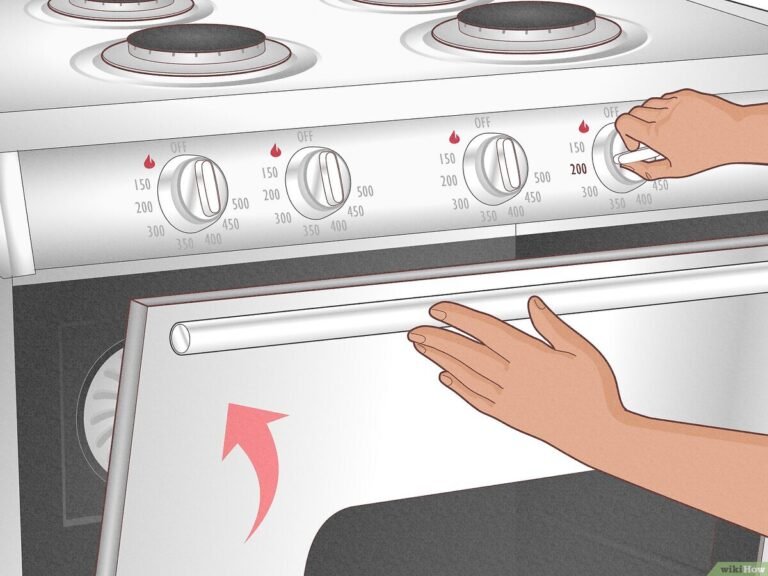
Turn the knob to ignite, hold for a few seconds, and confirm a steady blue flame.
If you have ever wondered how to turn on oven gas stove the right way, you are in the perfect place. I have spent years cooking on gas ranges in tiny apartments and busy test kitchens, and I have helped friends troubleshoot everything from stubborn igniters to silent ovens. This guide walks you through clear steps, real-world tips, and safety notes so you can turn on burners and the oven with confidence and care.

Safety essentials before you start
Before you learn how to turn on oven gas stove, pause for a quick safety check. Make sure the kitchen has fresh air. Open a window or turn on a vent hood. If you smell gas (a rotten egg scent), do not light anything. Turn off the appliance, leave the area, and call your gas company.
Check that all knobs are set to Off. Keep flammables away from the range. That includes towels, paper, aerosol sprays, and plastic utensils. Tie back long sleeves. Use a dry match or lighter if needed, never a damp one. If your model has safety features like a flame failure device, do not try to bypass it.
For accuracy and best practices, the steps here align with common manufacturer manuals and guidance from home safety agencies. Product details may vary, so always keep your user manual close at hand.

Know your gas stove and oven controls
Understanding how to turn on oven gas stove starts with the basic controls. Most ranges have separate knobs for each burner and one knob or buttons for the oven. Many modern ovens use electronic ignition that clicks when you turn the knob. Older models may have a standing pilot that stays lit.
Key parts to know:
- Burner knobs Control gas flow to each cooktop burner.
- Igniter Creates the spark that lights gas; you will hear a fast clicking sound.
- Oven control knob or panel Sets bake, broil, and temperature.
- Indicator light or display Shows preheat progress on newer models.
- Safety valve and thermocouple Control gas if the flame goes out (built in on many units).
My quick rule of thumb: if you hear rapid clicks while turning a knob, you likely have electronic ignition. If you never hear clicks and need a match, you may have a pilot system.
Quick answers while you get started
What if the burner clicks but does not light? Dry the burner cap and ring, realign them, and try again. Moisture and misalignment are common causes.
Is a small yellow tip on the flame okay? A small yellow tip can be normal, but a large yellow flame means poor air mix. Clean the burner and check the cap.
Should I preheat the oven for everything? For most baking, yes. For quick broiling or pizza on a steel, you can use a shorter preheat with watchful timing.

Step-by-step: How to turn on oven gas stove burners
Follow these simple steps to light a cooktop burner with an electronic igniter.
- Clear the area. Remove loose items from the burner. Place your pot or pan on the grate.
- Turn the knob. Push in and turn the burner knob to Ignite or High. You should hear a rapid clicking.
- Watch for flame. When it lights, keep the knob pressed in for 2 to 3 seconds. This helps the flame stay stable.
- Set the heat. Turn the knob down to your desired level. Aim for a steady blue flame that just hugs the pan.
- Confirm. Check that the clicking stops. If it keeps clicking, turn Off, wait 60 seconds, and try again.
This is the basic method for how to turn on oven gas stove burners safely. If the flame goes out, turn the knob Off and wait at least 60 seconds before retrying. This pause lets any unburned gas clear.
Common mistakes I see as a cooking coach:
- Burner cap misaligned The igniter sparks, but gas does not meet the spark. Reseat the cap.
- Wet burner parts After cleaning, water blocks ignition. Dry parts with a towel or low heat in a warm oven.
- Pan too large It can deflect the spark or smother the flame. Use the right burner size.
During a power outage
Some gas cooktops can be match-lit when the power is out. Check your manual first.
- Turn the knob to Light while holding a long match or lighter close to the burner.
- Light the gas at the outer ring.
- Adjust to the desired flame.
During a blackout, here is how to turn on oven gas stove burners with a match: keep your hand low and to the side, not above the burner, and use a long lighter to keep distance. Never try to match-light an oven with electronic ignition.

Step-by-step: Turn on the gas oven
Many people ask how to turn on oven gas stove when the oven has electronic ignition. On most modern ranges, the oven uses a hot-surface igniter or spark ignition, not a standing flame.
For electronic ignition ovens:
- Check the racks. Set them before heating.
- Vent a little. Turn on your hood or crack a window.
- Set Bake. Turn the oven knob to Bake and set the temperature.
- Listen and watch. You may hear a soft click or a brief whoosh. The igniter glows and lights the burner.
- Preheat fully. Wait until the oven reaches set temp. Most need 10 to 15 minutes.
For broil:
- Set to Broil. High broil is great for fast searing.
- Place the rack high. Keep food 3 to 6 inches from the broiler flame.
- Watch closely. Broiling goes fast.
If you are learning how to turn on oven gas stove with a standing pilot, the steps are different.
For standing pilot ovens:
- Find the pilot. It is often at the bottom, near the oven burner tube.
- Light the pilot. Hold a lit match to the pilot and press the oven knob as the instructions direct.
- Hold and wait. Keep the knob pressed for 20 to 30 seconds so the safety sensor warms.
- Set temperature. Release, then turn to the bake temp. The main burner should light.
Note: Many modern ovens will not allow manual lighting of the oven burner for safety. If the oven igniter is bad, call a qualified technician. Do not try to bypass a safety device.
Personal tip from my first apartment: the oven had a tiny, hard-to-see pilot tube. I learned to use a flashlight and mirror to spot it and waited a full 30 seconds after a failed try to clear gas. That small pause made all the difference.

Preheat and temperature basics
To bake well, you must know how to turn on oven gas stove and preheat right. Gas ovens can have hot spots. Use an oven thermometer for accuracy and give the oven time to stabilize. Most recipes assume a full preheat.
Preheating tips:
- Wait for recovery After opening the door, give the oven 2 to 5 minutes to bounce back.
- Rotate pans Halfway through baking, turn sheets front to back for even browning.
- Stone or steel These tools store heat and help with pizza and bread.
Broiler pointers:
- Use a broiler-safe pan Heavy metal pans resist warping.
- Keep the door as the manual says Some ovens want the door closed, others cracked. Follow your guide.

Troubleshooting: If burners or oven will not light
If you are still stuck on how to turn on oven gas stove after a few tries, run through these quick checks.
For burners:
- Is the cap seated? The small notches must align with the base.
- Is it wet? Dry the cap, ring, and igniter area.
- Is the igniter sparking? If not, check power to the range.
For the oven:
- Does the igniter glow? A weak glow that never lights gas may mean a failing igniter.
- Do you smell gas? Turn everything Off, ventilate, and call for service.
- Is the door sensor okay? Some models will not light if the door latch is engaged.
When to call a pro: repeated gas smell, no ignition after drying and reseating parts, or visible damage to wires or igniters. These point to parts replacement that should be done by a qualified technician.
Care, maintenance, and safety best practices
Review your manual for model-specific notes on how to turn on oven gas stove and safety. A few simple habits keep your range reliable.
Cleaning and care:
- Wipe spills fast Sugar and starch can clog ports if they bake on.
- Clean burner ports Use a soft brush or toothpick, not metal pins.
- Keep igniters dry Avoid soaking; lift off parts to clean around them.
Safety checks:
- Carbon monoxide detector Place one near the kitchen as local codes advise.
- Ventilation Use a hood that vents outside if possible.
- Annual service A quick pro check can spot weak igniters or gas leaks early.
From years in small kitchens, my best tip is to set a 5-minute timer after preheat. It lets the oven stabilize, which improves cookies, roasts, and pizza crusts.

Common mistakes to avoid
Learning how to turn on oven gas stove is simple, but these errors trip people up.
- Turning the knob too fast The igniter needs a second to spark. Pause at the Light mark.
- Covering the igniter with a pan edge Large pans can block the spark path.
- Skipping the wait after a failed light Always wait 60 seconds before retrying.
- Trying to match-light an electronic oven This is unsafe. Call a technician instead.
- Ignoring a clicking igniter after flame lights Clean and dry the area; ongoing clicks mean moisture or misalignment.
:max_bytes(150000):strip_icc()/shutting-off-gas-to-the-stove-2718660-hero-033bbdf1503f455e8dcca0f2c668a154.jpg)
Frequently Asked Questions of how to turn on oven gas stove
How long should I hold the knob when lighting a burner?
Hold it for 2 to 3 seconds after the flame appears. This helps stabilize the flame and reduces the risk of it going out.
Can I light my gas oven with a match during a power outage?
Most modern ovens with electronic ignition cannot be match-lit and should not be forced. Check your manual; if it says no, wait for power or call a pro.
What should the burner flame look like?
A healthy flame is steady and blue with small, even tips. Large yellow flames mean poor air mix or debris; clean the burner and try again.
Why does my igniter click but the burner will not light?
The burner cap may be misaligned or wet. Reseat the cap, dry all parts, and try again.
How long does preheating take for a gas oven?
Most units need 10 to 15 minutes to reach temperature. Heavier ovens or pizza stones may need a few extra minutes.
Is a slight gas smell normal when the oven starts?
A faint whiff can happen at first light. A strong or ongoing smell is not normal; turn off the gas and call your utility or a technician.
What if the oven igniter glows but there is no flame?
The igniter may be too weak to open the gas valve. This often needs replacement by a qualified technician.
Conclusion
You now know how to turn on oven gas stove with clear, safe steps for burners and the oven, plus the why behind each move. Start with ventilation, set the right control, wait for a steady flame, and give your oven time to preheat. Small habits like seating burner caps and drying parts make a big difference.
Put these tips to work in your next meal. Try lighting your front-right burner, preheat to 400°F, and roast simple vegetables to test your setup. Want more kitchen know-how? Subscribe for weekly guides, or leave a comment with your model and your toughest question.