
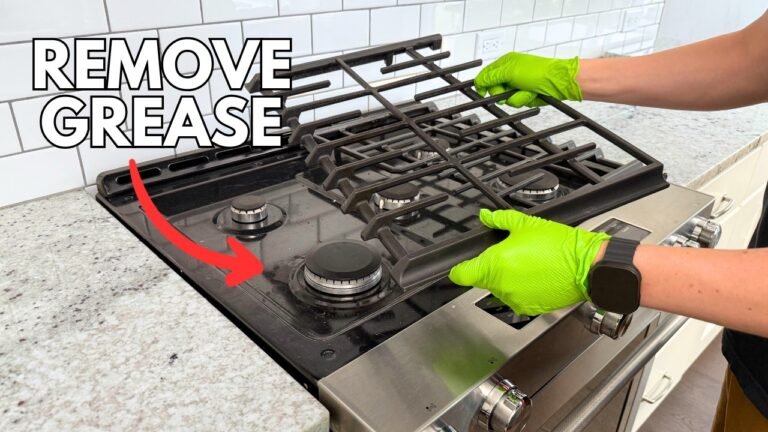
Turn off gas, remove parts, soak in soapy vinegar, scrub ports, dry, reassemble.
If your flame sputters, smells, or turns yellow, your burners need care. I’ve cleaned dozens of stoves in rentals and client homes, and I know how to clean gas stove burners without damage or fuss. In this guide, I’ll show a safe, fast method that actually works, plus deep-clean options and fixes for common problems. Stick with me and you’ll master how to clean gas stove burners like a pro.
:max_bytes(150000):strip_icc()/cleaning-gas-burners-1900625_06-1-45fc0ebf3d1c4fcf9c11ba23f6c629c4.jpg)
Safety first and the tools you’ll need
Before you learn how to clean gas stove burners, think safety. Work on a cool stove. Turn off the gas at the knob. Unplug the range if it has electric ignition. Open a window for airflow. If you smell gas, stop and call your utility.
Gather simple tools:
- Sink or tub with hot water and dish soap
- White vinegar for grease and mineral film
- Baking soda for a gentle scrub
- Non-scratch sponge and a soft brush or old toothbrush
- Wooden toothpicks or nylon bristle for tiny ports
- Microfiber cloths or paper towels
- A small pinhole needle tool made for burners, if your manual allows
- Optional: ammonia for sealed-bag soaks, and a citrus or enzyme degreaser
Expert note: Manufacturer manuals warn against metal picks that can widen ports. Use wood or nylon on the burner head.
:max_bytes(150000):strip_icc()/cleaning-gas-burners-1900625_07-d5adee6d6821466da0b339850d6f28a0.jpg)
Know your burner parts
A fast orientation helps you understand how to clean gas stove burners the right way. Most burners have:
- Grates: the heavy frames over the flame
- Burner caps: round covers that sit on the head
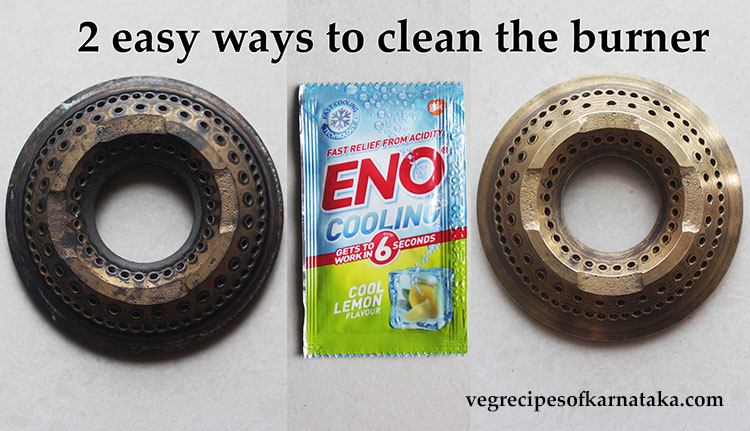
- Burner heads: the ring with small flame ports
- Igniter or spark electrode: the tiny white post that clicks
- Orifice or jet: where gas exits under the head
Do not soak the igniter. Keep liquids away from the spark module. You can wipe the area around it with a damp cloth and dry it well.

Step-by-step: how to clean gas stove burners
Follow this simple sequence. It keeps parts safe and speeds up drying.
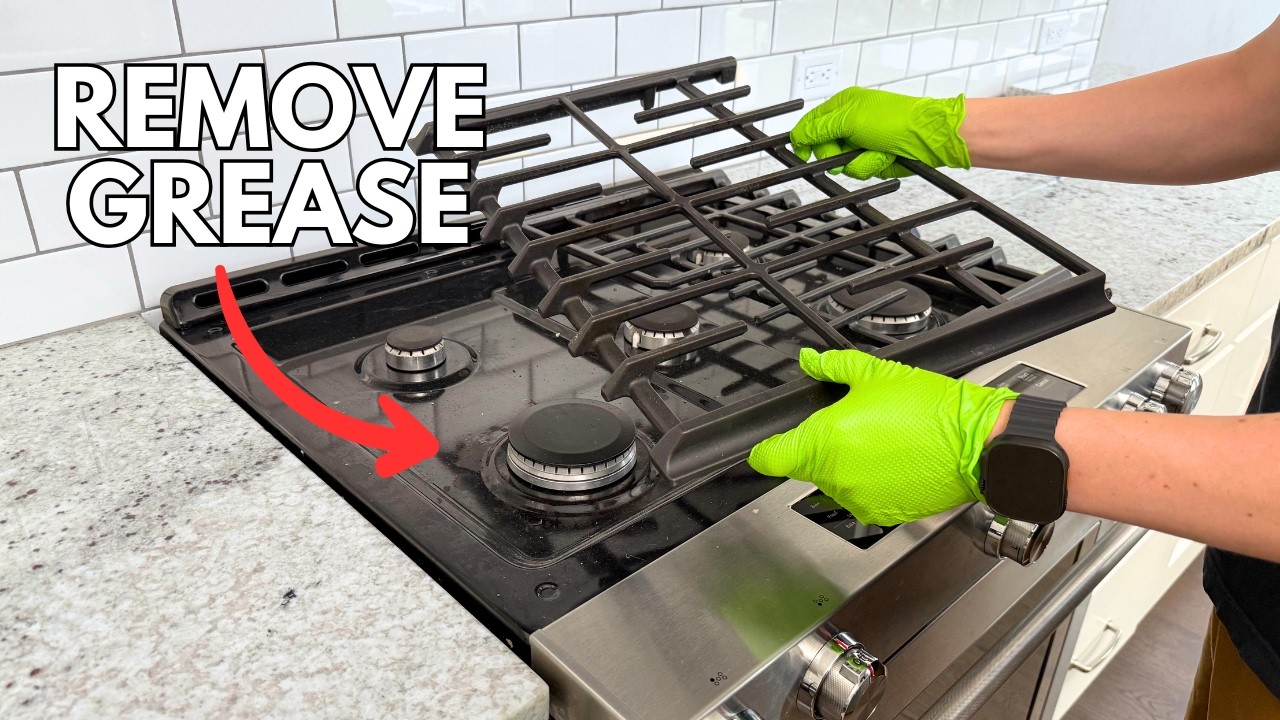
- Power and prep. Turn off gas knobs. Unplug if there is an outlet. Remove grates and caps once the stove is cool.
- Knock off dry crumbs. Tip parts over a trash bin. A quick brush here saves scrubbing time.
- Make a hot soak. Fill the sink with hot water, 1 teaspoon dish soap per quart, and 1 cup white vinegar. Soak grates and caps 15–30 minutes. Soak burner heads only if your manual allows; keep igniters dry.
- Degrease the surface. Spray the stovetop with a mild degreaser. Let it sit 2–3 minutes, then wipe. Lift food from seams with a soft brush.
- Scrub the caps and grates. Use a non-scratch sponge. For stuck spots, add baking soda and a few drops of water to make a paste. Rub gently.
- Clear flame ports. On the burner head, brush around the tiny holes. Use a wooden toothpick or nylon bristle to clear each port. Do not jam in a steel pin unless your manual says it is safe.
- Rinse and dry. Rinse all parts with hot water. Towel dry, then air-dry 30 minutes. Moisture causes weak flames and long clicking.
- Clean the igniter area. Wipe around the igniter with a damp cloth. Keep the tip dry. If it is dirty, wipe gently with alcohol on a cotton swab.
- Wipe the knobs and panel. Use a damp cloth with soapy water. Do not flood liquids into the controls.
- Reassemble. Place burner heads flat and aligned. Set caps squarely on top. Wobbly caps cause yellow flames.
- Test fire. Turn on each burner. You want a steady, even blue ring with small tips. If it is weak or yellow, turn off, let cool, and recenter the cap.
- Final polish. Wipe the stovetop dry to prevent water marks or rust on grates.
This is the exact process I use when clients ask how to clean gas stove burners fast without harsh chemicals. It is safe for enamel, cast iron grates, and most stainless tops.
:max_bytes(150000):strip_icc()/cleaning-gas-burners-1900625-976df9789ca8452ca8250bf5fec73c6e.png)
Deep-clean methods for tough buildup
If parts still feel sticky or stained, try these targeted methods. Each one can help when you wonder how to clean gas stove burners that have months of gunk.
Baking soda paste
- What it does: Lifts baked-on grease without scratching.
- How to use: Mix 3 parts baking soda with 1 part water. Spread on cool caps or heads. Wait 15 minutes. Scrub and rinse.
- Limit: May not cut through old polymerized grease alone.
Warm vinegar soak
- What it does: Dissolves light minerals and softens grease.
- How to use: Soak caps and grates in warm 1:1 vinegar-water for 30 minutes. Scrub and rinse.
- Limit: Avoid long soaks on natural stone trim or aluminum parts.
Ammonia bag method
- What it does: Fumes break down thick grease on grates.
- How to use: Place grates in a sturdy bag with 2–3 tablespoons of household ammonia. Seal tight. Leave outside overnight. Ventilate well. Rinse and wash with soap before use.
- Limit: Strong fumes. Do not mix with bleach. Follow safety labels.
Commercial degreasers
- What it does: Cuts heavy oil fast.
- How to use: Spray, dwell as directed, scrub, and rinse. Spot test first.
- Limit: Some formulas can dull enamel or stain aluminum if overused.
Personal tip: I keep a labeled plastic bin for soaking caps and grates. It keeps the vinegar smell contained and saves sink space when I teach clients how to clean gas stove burners in small kitchens.
Troubleshooting after cleaning
Sometimes the flame acts up after a deep clean. Here is how to fix common issues.
Yellow or tall orange flame
- Likely cause: Misaligned cap or clogged ports.
- Fix: Cool the burner. Reseat the cap flat. Brush ports again. Check for greasy residue.
Rapid clicking, no light
- Likely cause: Wet igniter or head.
- Fix: Remove the cap. Dry the igniter area with a hair dryer on cool for a few minutes. Reassemble and test.
Weak or uneven flame
- Likely cause: Blocked orifice or cap not centered.
- Fix: Realign the cap. If still weak, consult your manual for safe orifice cleaning, or call a pro.
Gas smell
- Action: Turn off the gas. Open windows. Leave the area. Call your utility or a certified tech.
Soot on cookware
- Likely cause: Incomplete combustion from blocked ports.
- Fix: Repeat a careful port cleaning. Ensure good ventilation and proper pan size.
Source: youtube.com
Preventive care and a fast weekly routine
You now know how to clean gas stove burners like new. Keep them that way with a short plan.
Daily
- Wipe spills right away with a damp cloth. Sugar and starch burn into hard crusts.
Weekly
- Soak caps and grates 10–15 minutes in hot soapy water. Quick scrub. Dry well.
Monthly
- Do a full burner head check. Clear ports. Clean the igniter area. Polish the top.
Seasonal
- Inspect gas hoses and seals on freestanding ranges. Check the flame color on all burners. Review the manual for any model-specific steps.
Extra tips
- Use a splatter screen for frying. It cuts cleanup time.
- Keep foil and liners away from vents and ports. Blocked airflow causes poor flames.
- Choose pans that match burner size. Oversized pans trap heat and stain tops.
This simple rhythm means you will not need to ask how to clean gas stove burners over and over. Maintenance beats heavy scrubbing every time.
Real-world lessons from my kitchen
I learned how to clean gas stove burners the hard way in a rental with years of buildup. The vinegar soak did little, but the ammonia bag made the grates look new overnight. I rinsed twice and washed with soap to remove all odor.
I once used a metal pin on a tiny port and widened it. That burner ran hot on one side after that. A wooden toothpick is safer, and it works. I also rushed reassembly once and left moisture under a cap. The igniter clicked for a minute. Dry time matters.
Time-saver: Warm water cleans faster than cold. I heat a kettle and add it to the sink. Clients appreciate that when I teach them how to clean gas stove burners on a busy weeknight.
Frequently Asked Questions
How often should I clean gas stove burners?
Light wipe daily and a deeper clean every 1–4 weeks is ideal. If the flame turns yellow or uneven, clean sooner.
Can I use baking soda and vinegar together?
Use them in sequence, not mixed. Apply baking soda paste, scrub, rinse, then follow with a vinegar rinse if needed.
Is it safe to soak burner heads?
Check your manual. Many heads are safe to soak briefly, but keep the igniter and electrical parts dry.
Why does my burner keep clicking after cleaning?
It is likely wet. Dry the igniter and burner area with a fan or hair dryer on cool, then reassemble.
What should a healthy flame look like?
A steady, even blue ring with small tips. Yellow or flickering flames signal clogged ports or misalignment.
Can I use oven cleaner on grates?
Only if the label says it is safe for your grate material. Spot test and rinse well to avoid fumes on the next cook.
Conclusion
Clean burners give you fast boils, even sears, and a kitchen that smells right. You now know how to clean gas stove burners step by step, how to deep-clean tough gunk, and how to keep the flame strong with a simple routine. Start with a 15-minute soak today and enjoy a blue, even flame on your next meal.
Want more quick kitchen upkeep tips? Subscribe for new guides, or drop your questions and wins in the comments.