
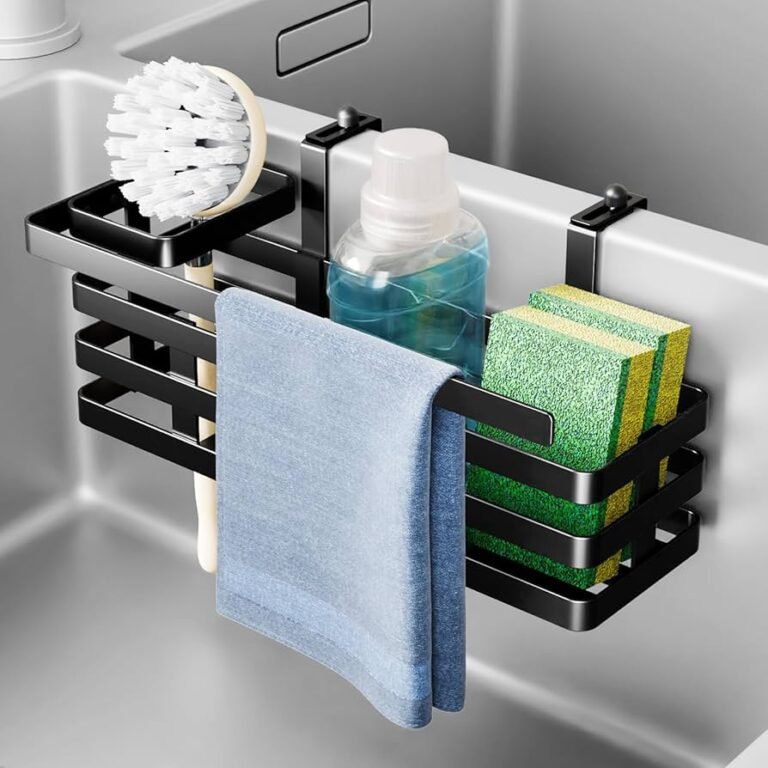
Here’s how to make sponge holder at home: shape wire, add drainage, mount safely.
If you want a clean sink and a dry sponge, this guide is for you. I will show how to make sponge holder at home with simple tools and low-cost items. I have tested each method in real kitchens. You will learn safe builds, smart drainage, and easy care that lasts.

Why a DIY Sponge Holder Works Better
A wet sponge grows odor fast. Air and drainage fix that. Store-bought racks often rust, wobble, or trap water. A custom build fits your sink and your habits.
When people ask how to make sponge holder at home, I start with airflow. You want a holder that lifts the sponge and lets water run off. That simple goal keeps smells away and makes each sponge last longer.
I made my first holder in a tiny apartment. It was a bent wire hanger and two suction cups. It held for months, never slipped, and kept my sponge dry between washes.
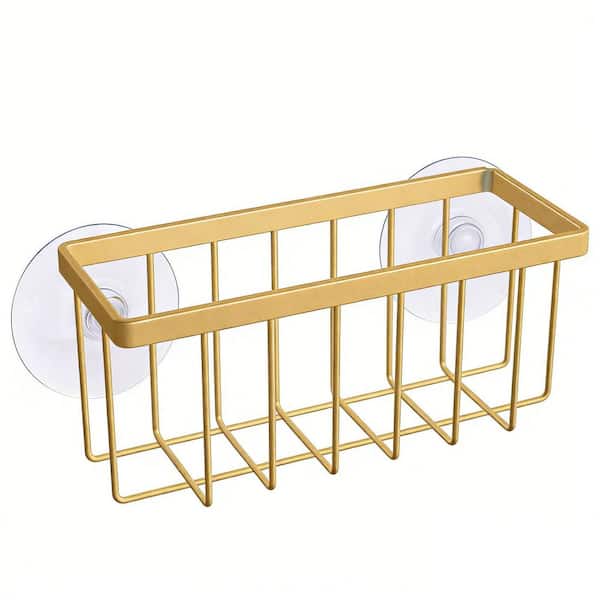
Materials and Tools You’ll Use
You can build a holder from things you already own. Choose a method and gather parts.
Core tools
- Scissors or utility knife for cutting plastic and tape
- Pliers for bending wire and closing loops
- Drill, awl, or heated nail for drainage holes
- Ruler or marker for clean lines
- Sandpaper or nail file for smoothing edges
Common materials
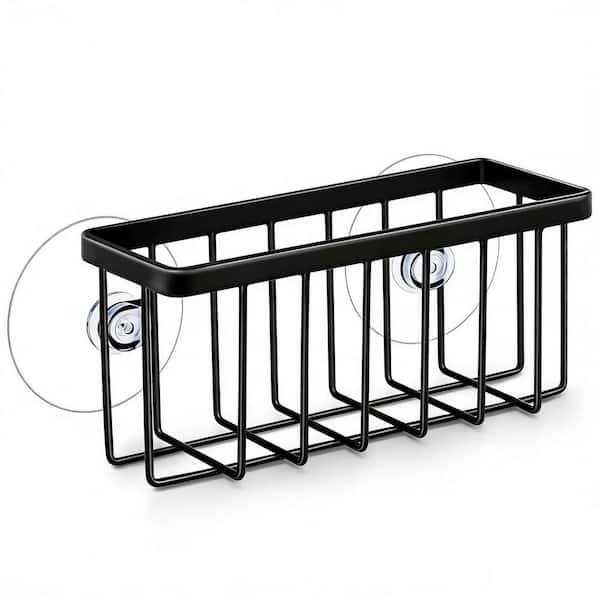
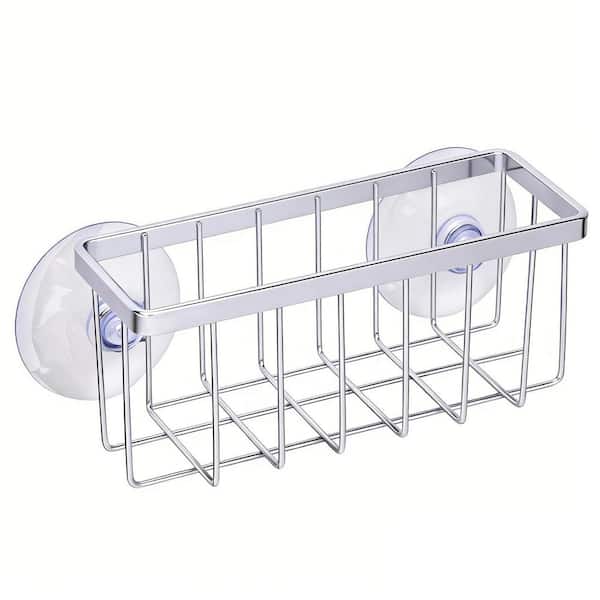
- Wire hanger or stainless wire for a rust-resistant frame
- Plastic bottle or food container for an upcycle build
- Mason jar ring and lid for a stable caddy
- Suction cups or adhesive hooks for mounting
- Zip ties for quick fastening
- Paracord, cotton yarn, or crochet thread for soft holders
- Small rubber feet or felt pads to stop slip
Choose non-rusting parts when you can. Smooth sharp edges to protect your hands. If you are learning how to make sponge holder at home for the first time, pick plastic or wire. They are simple and safe.

Method 1: Wire Hanger Sink Sponge Holder (No Drill)
This is fast, sturdy, and easy to clean. It works on most sinks.
What you need
- One metal hanger, stainless if you have it
- Two suction cups or one adhesive hook
- Pliers and a marker
Steps
- Cut the bottom straight section from the hanger. Sand any sharp ends.
- Bend a U shape to match your sponge width. Leave a little space for air.
- Create two small loops at the back. These loops will clip onto suction cups.
- Add a slight tilt forward. This helps water drip back into the sink.
- Mount the suction cups on the tile or the sink wall. Press to seal.
- Hang the loops on the cups. Test with a wet sponge. Adjust the bend if needed.
Pro tips from my builds
- Add a small crossbar near the bottom for extra support.
- If cups slip, clean the surface with rubbing alcohol, then remount.
- If you ask how to make sponge holder at home that dries fast, tilt it 10 to 15 degrees.
Method 2: Upcycled Plastic Bottle Caddy
Turn trash into a clean, vented holder. It is light and simple.
What you need
- One sturdy plastic bottle, 16 to 20 ounces
- Scissors or a utility knife
- Marker, sandpaper, and two zip ties
- Optional suction cup or adhesive hook
Steps
- Mark a window on the bottle side, a bit smaller than your sponge.
- Cut the window. Round all corners. Sand the cut edge smooth.
- Punch drainage holes in the bottom. Space them about half an inch apart.
- Make two small holes near the top back. Thread zip ties for a hanger loop.
- Mount on a hook or a rail. Slide the sponge in through the window.
Pro tips from my builds
- Use a bottle with flat sides. It sits better against a wall.
- Keep the window small enough so the sponge does not fall out.
- If you want to learn how to make sponge holder at home from zero cost, this is it.

Method 3: Mason Jar Sponge Holder with Drainage
This looks neat on the counter and is very stable.
What you need
- One mason jar ring and lid
- Nail and hammer, or drill for holes
- Optional rubber feet for the ring
- Optional small tray to catch drips
Steps
- Remove the lid disk from the ring. Punch many holes in the disk.
- Place the disk back in the ring. The holes let water drain and air flow.
- Add rubber feet to the bottom of the ring to stop slip.
- Rest the sponge on top of the ring. The holes keep it dry.
- Place a small tray under it if you want to catch drips.
Pro tips from my builds
- Raise the ring with two bottle caps under it for more air.
- If you are testing how to make sponge holder at home that feels premium, this one looks great.
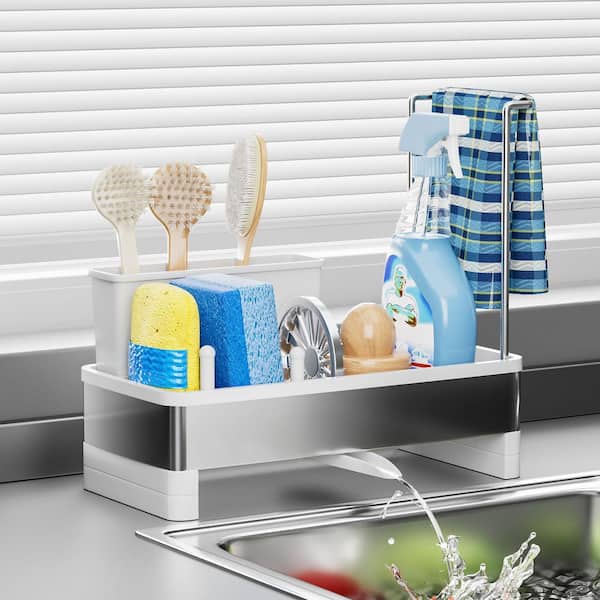
Method 4: Suction Cup and Zip Tie Rack
This is a five-minute build with strong hold.
What you need
- Two large suction cups with hooks
- Four zip ties
- A plastic soap dish or small slotted tray
Steps
- Attach two zip ties to each hook. Make a small horizontal cradle.
- Clip the tray onto the zip ties. Tighten until snug.
- Stick the cups on a clean tile or steel sink wall.
- Set the sponge in the tray. Check for tilt and drip path.
Pro tips from my builds
- Rinse the cups with warm water, then stick while damp for better grip.
- If you want how to make sponge holder at home with almost no tools, this is perfect.

Method 5: Crochet Sleeve Sponge Holder
Soft, washable, and great for delicate surfaces.
What you need
- Cotton yarn or quick-dry cord
- Crochet hook or patience for a simple weave
- Small wall hook
Steps
- Crochet or weave a small open sleeve, just bigger than your sponge.
- Leave open spaces so air moves through the fibers.
- Add a loop at the top for hanging.
- Hang on a hook near the sink. Slip the sponge inside.
Pro tips from my builds
- Cotton washes well and dries fast. Avoid thick wool that holds water.
- If you ask how to make sponge holder at home that looks cute, this is a win.
Design Tips, Hygiene, and Maintenance
Good holders do three things well. They lift the sponge, let air in, and drain water out. That reduces moisture and helps slow odor.
Care tips I trust
- Rinse the holder once a week. Wipe away soap film.
- Let the sponge dry flat at night once in a while.
- Replace suction cups when they lose grip.
- If water pools, add more drainage holes or increase tilt.
Smart safety
- Smooth all sharp edges on plastic or wire.
- Keep holders away from open flames or very hot pans.
- If you prep food near the sink, choose food-safe parts.
If you are serious about how to make sponge holder at home that stays clean, focus on airflow first. Form follows function here.

Cost, Time, and Skill Comparison
Time and cost are low. Most builds take under 20 minutes and cost very little.
- Wire hanger holder: 10 minutes, almost free
- Plastic bottle caddy: 15 minutes, free
- Mason jar ring: 10 minutes, a few dollars
- Suction cup rack: 5 to 10 minutes, a few dollars
- Crochet sleeve: 30 to 60 minutes, a few dollars
Skill notes
- Wire and bottle builds are best for starters.
- Crochet needs more time but is very gentle on surfaces.
If you compare how to make sponge holder at home across methods, pick the one that fits your sink and time.
Troubleshooting and Mistakes to Avoid
If the holder slips, clean the mounting area with alcohol. Press cups from center out. Wait a minute before loading.
If the sponge smells, you need more air. Add holes, increase tilt, or use a tray. Swap sponges often.
If edges scratch the sink, add rubber feet or felt pads. File rough wire ends. Small fixes go a long way.
I learned these the hard way. When I forgot to tilt the holder, water sat and smelled. A tiny bend fixed it. If you track how to make sponge holder at home and test as you go, your build will hold and stay fresh.
Frequently Asked Questions of how to make sponge holder at home
What is the easiest way to start?
Use a plastic bottle caddy. Cut a window, add drainage holes, and hang it with zip ties.
How do I stop mold and odor?
Increase airflow and drainage. Rinse the holder weekly and let the sponge dry between uses.
Will suction cups work on all sinks?
They work best on smooth, non-porous surfaces. Clean the area first and press firmly to seal.
What materials are safest near food?
Stainless wire, clean food-grade plastic, and cotton yarn are safe choices. Avoid rusting metal or rough, sharp edges.
Can I make a holder without tools?
Yes. Use suction cups, a slotted soap dish, and zip ties. Snap them together in minutes.
How often should I replace my sponge?
Swap it every one to two weeks, or sooner if it smells. A dry holder helps it last longer.
How can I make it look nicer?
Use matching colors and clean lines. Mason jar rings and cotton sleeves look neat and warm.
Conclusion
You now know how to make sponge holder at home with simple parts, clear steps, and smart care. Pick a method, focus on airflow, and give your sponge a dry place to rest.
Start today with what you have on hand. Share a photo of your build, ask a question, or subscribe for more quick DIY kitchen fixes.