
Hard maple, walnut, and cherry are the best woods for kitchen cutting boards.
If you want a board that is gentle on knives, safe for food, and easy to care for, the best wood for kitchen cutting boards comes down to a few proven choices. I have built, tested, and used boards for years in both home and pro kitchens. In this guide, I will show you what matters, how to choose, and which woods win for daily cooking.
:max_bytes(150000):strip_icc()/Yes4All-wooden-cutting-board-grace-kelly-03-2c7bb0ab19b54acca22faa8cd81a7d18.jpg)
What makes the best wood for kitchen cutting boards
The best wood for kitchen cutting boards balances hardness, grain, and safety. You want a board that is firm enough to resist cuts but not so hard that it dulls your knife. A Janka hardness between 900 and 1,500 is a sweet spot for most cooks.
Closed-grain hardwoods are best. They have tiny pores that help block moisture and trap bacteria inside the wood, where it dries out. This is one reason well-made wood boards can be more sanitary than scarred plastic boards.
Grain matters. End grain boards show the ends of wood fibers. They are kind to blade edges and heal small cuts. Edge grain boards show the side of fibers. They cost less and stay flat with less care. Both work well.
Choose food-safe species. Many popular North American hardwoods are safe. Avoid woods with toxic oils or large open pores. Avoid strong scent woods that can flavor food.
Look for stable, well-dried lumber. It should be flat and at least 1 to 1.5 inches thick. Thicker boards resist warping and last longer under daily use.
The best wood for kitchen cutting boards should also be easy to oil and repair. That means a surface that accepts mineral oil and sands clean without fuzz.

Top contenders for the best wood for kitchen cutting boards
Hard maple (sugar maple)
Hard maple is the classic butcher block wood. It is closed-grain, pale, and even. It sits around 1,450 on the Janka scale. It resists stains if you oil it on a regular schedule. In my kitchen, maple boards have stayed flat for years with simple care.
Best for cooks who want a bright, clean look and proven results.
Black walnut
Walnut is a favorite for its deep color and soft feel under the knife. It is medium-hard at about 1,010 Janka. It hides stains well and looks great in any kitchen. I reach for walnut when slicing fruit and cooked meats because it is gentle and quiet.
Best for cooks who value a smoother cut and a warm, rich tone.
Cherry
Cherry starts light pink and warms to a soft red-brown. It is about 995 Janka. It has fine, closed pores like maple and walnut. It picks up a lovely patina with steady use. Cherry boards can show knife marks at first but even out with oil and time.
Best for cooks who enjoy a board that ages with character.
Teak
Teak is durable and water-resistant. It is about 1,000 Janka, but it holds natural oils and silica. Those can dull some knives faster. If you own soft carbon steel knives, be cautious. On the upside, teak handles wet tasks well.
Best for cooks who want a low-maintenance board for wet work and heavy use.
Beech
Beech is common in Europe for cutting boards and blocks. It is about 1,300 Janka. It is fine-grained and stable. It can move with humidity if not sealed well, so oil it more often in dry seasons.
Best for budget-friendly, sturdy boards.
Acacia
Acacia varies by species. It often falls between 1,100 and 1,700 Janka. Some pieces can be too hard and may dull edges. The grain is pretty and dark. If you pick acacia, choose end grain if you can, and keep your knives sharp.
Best for style on a budget with mindful knife care.
Bamboo (technically a grass)
Bamboo boards are popular and low-cost. They are harder than many woods and can be tough on edges. Glues can vary. They resist water well. I use bamboo as a backup or serving board, not for my main knife work.
Best for quick tasks, not for your primary prep board.
Woods to avoid
Avoid red oak and ash for primary boards. They have open pores that can trap grime. Avoid softwoods like pine and cedar. They dent fast and can leach resin or odor. Skip exotic oily woods unless you know they are food-safe and low in toxins.
The best wood for kitchen cutting boards from this list remains maple, walnut, and cherry for most home cooks.

End grain vs edge grain vs face grain
End grain boards look like a checkerboard. You cut into the ends of the fibers. The fibers “self-heal” a bit after cuts. This saves knife edges and reduces deep scars. End grain costs more and is heavier, but it can last decades.
Edge grain boards show long strips. They cost less, weigh less, and stay flatter. They are a great choice for your first good board. They are easy to sand and re-oil.
Face grain boards are like single wide planks. They look stunning for serving, but they can warp and show cuts fast. Use them for bread or cheese, not heavy chopping.
In my tests, end grain maple keeps my knives sharp longer. Edge grain walnut is my daily slicer for onions, herbs, and fruit. The best wood for kitchen cutting boards can shine in either style. Choose based on budget and care habits.
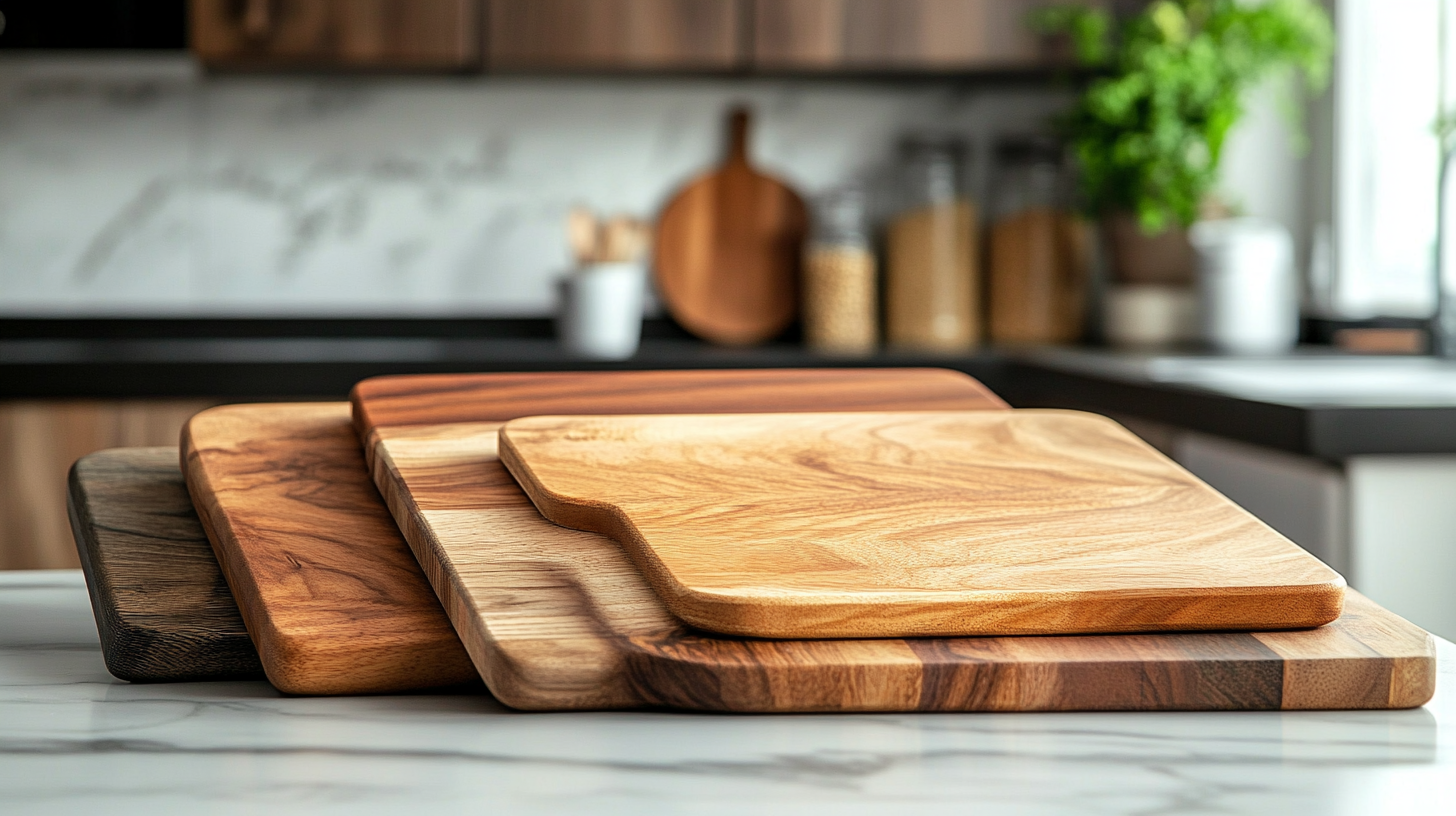
How to choose the best wood for kitchen cutting boards for your needs
- Match the wood to your knives. If you use softer carbon steel, pick end grain maple or walnut.
- Think about what you cut most. Meat prep likes a darker wood that hides marks. Veg work likes a bright surface.
- Consider maintenance. If you oil monthly, choose maple or cherry. If you oil less, teak can help.
- Check size and thickness. A 12 by 18 inch board with 1.5 inch thickness is a solid start.
- Mind your space. If storage is tight, choose a lighter edge grain board you can stand upright.
- Look for safety. Choose food-safe glues and finishes. Ask for FSC or similar certification if you care about sourcing.
- Set a budget. Edge grain maple is the best value. End grain costs more but saves knives.
The best wood for kitchen cutting boards is the one you will use daily, care for, and enjoy seeing on your counter.
:max_bytes(150000):strip_icc()/faw-primary-best-cutting-board-jkim-0082-1-f5ea74d652084ad7b5fb91271877e4eb.jpeg)
Care and maintenance that make any good board last
- Wash by hand with warm water and a small amount of soap. Dry right away.
- Oil monthly, or when the surface looks dry. Use food-grade mineral oil. Follow with a beeswax cream for a seal.
- Deodorize with coarse salt and half a lemon. Rinse and dry well.
- Sanitize after raw meat with 3 percent hydrogen peroxide. Wipe, let sit a minute, then dry.
- Never soak or run through the dishwasher. Heat and water can warp and crack wood.
- Flip your board often. This evens wear and helps it stay flat.
- Refresh the surface by sanding with 120 to 220 grit, then oil.
With this routine, the best wood for kitchen cutting boards can outlive several sets of knives.
:max_bytes(150000):strip_icc()/__opt__aboutcom__coeus__resources__content_migration__serious_eats__seriouseats.com__2019__07__20190701-wood-cutting-boards-vicky-wasik-3-1-1500x1125-999280b71a7b4ef399a1c25c4f7dc179.jpg)
Safety, sanitation, and the science
Studies show bacteria die off faster inside many hardwood boards than on scarred plastic. The small pores wick moisture away from the surface. Drying is your friend. Clean, rinse, and stand the board to air dry.
Use separate zones to reduce cross-contamination. I keep one side for raw proteins and one for produce. Simple habits matter more than fancy tools.
If you handle raw chicken or fish, sanitize and dry the board at once. The best wood for kitchen cutting boards will reward steady, calm care with long life and safe meals.
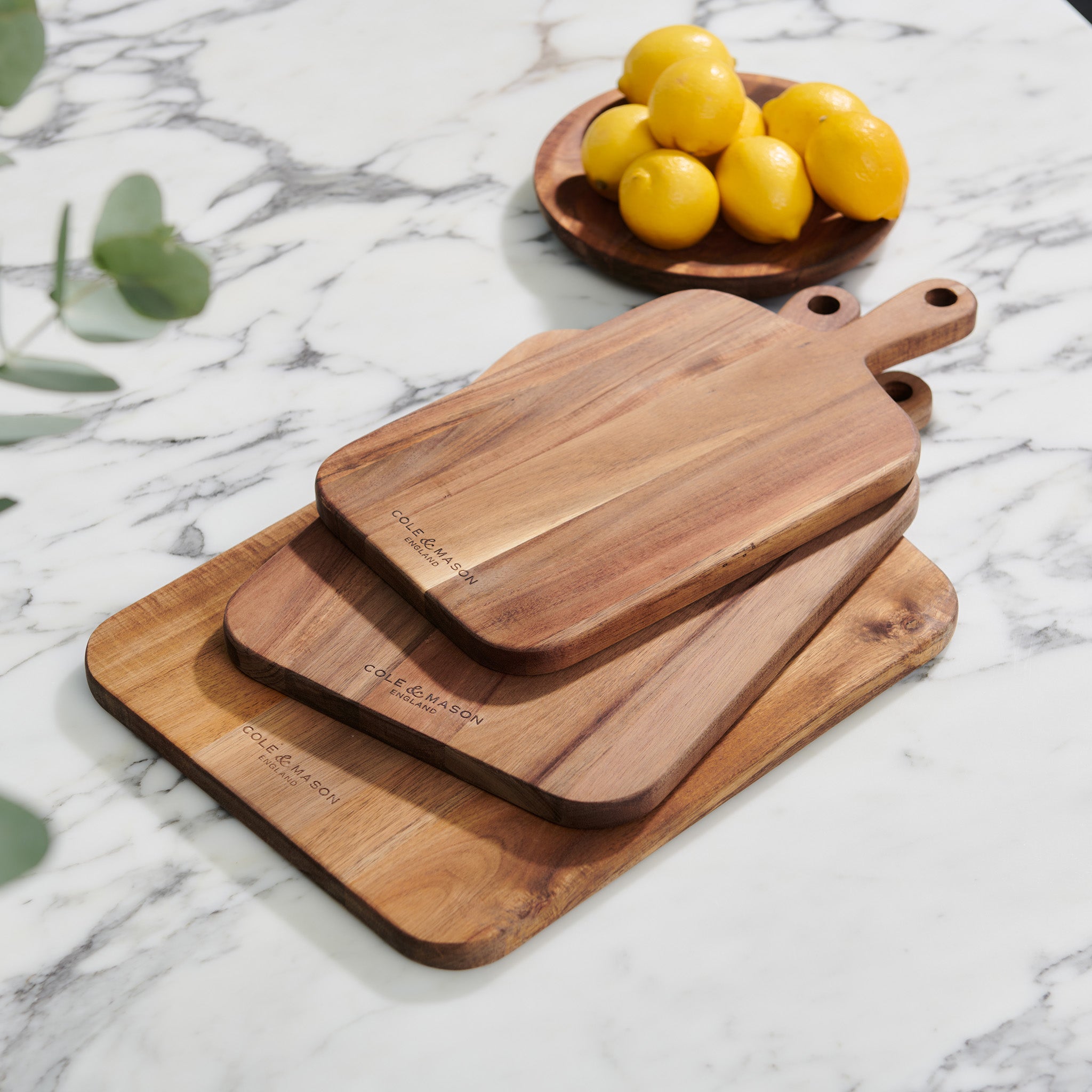
Sustainability and sourcing
Choose species that are common and well-managed. Maple, walnut, cherry, and beech are often locally grown in North America and Europe. Ask for certified or audited supply when you can.
Look for makers who use food-safe waterproof glues. A board made with safe glue and oil will serve you well. If you want a greener finish, fractionated coconut oil and beeswax blends work too.
When a board reaches the end of life, sand it and repurpose as a trivet or plant stand. Wood has a second act. The best wood for kitchen cutting boards also tells a story of care and craft.
:max_bytes(150000):strip_icc()/wooden-cutting-boards-brooklyn-butcher-blocks-grace-kelly-b3b4ac4a727943a2a83033fa1676c87c.jpg)
Frequently Asked Questions
What wood is best for knives and durability?
Hard maple, walnut, and cherry hit the ideal balance of firmness and give. They protect knife edges while resisting deep gouges.
Is bamboo a good choice for a main cutting board?
Bamboo is durable and affordable, but it can be hard on knives. It works as a backup board or serving tray more than a daily prep board.
End grain or edge grain: which should I buy first?
Edge grain is budget-friendly, lighter, and easy to maintain. End grain is kinder to knives and lasts longer but costs more.
Can I use a wood board for raw meat?
Yes, with proper cleaning and drying. Wash, sanitize with peroxide or vinegar, and let it air dry upright.
How often should I oil my cutting board?
Oil monthly or when the surface looks dry or feels rough. In dry climates or winter, oil every two to three weeks.
Which wood stains less over time?
Maple resists stains when well-oiled, but it shows marks. Walnut hides stains well due to its dark tone.
What oil should I use on my board?
Use food-grade mineral oil, then a beeswax cream. Avoid vegetable oils, which can turn rancid.
Conclusion
If you want a board that stays flat, treats your knives well, and cleans up fast, choose hard maple, walnut, or cherry. These woods are safe, proven, and easy to care for. Pick end grain for premium knife care or edge grain for value and comfort.
Take a look at your cooking style, budget, and space. Then invest in the best wood for kitchen cutting boards that fits your life. Ready to upgrade your prep game? Save this guide, share it with a friend, and leave a comment with your favorite board and why.