
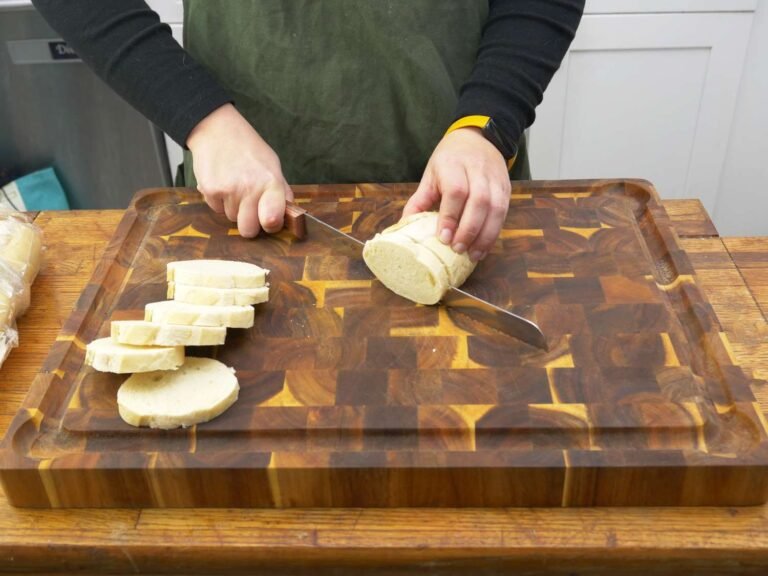
Best woods: hard maple, walnut, cherry, teak, beech, acacia, and oak.
Choosing the right board changes how you prep, how your knives feel, and how long your gear lasts. In this guide, I break down the types of wood for kitchen cutting board from real use and solid research. You will see how grain, hardness, pores, and oil all affect safety, care, and value. Stick with me, and you will know exactly which board fits your kitchen and why.

What Makes a Good Cutting Board Wood
Cutting boards live a hard life. They get wet, dry, scraped, and scrubbed. A good board wood must be dense, stable, and safe. When you compare types of wood for kitchen cutting board, look at hardness, grain, pores, and finish.
Key factors to judge:
- Hardness range that is kind to knives A Janka rating near 900–1,500 lbf is ideal.
- Closed pores tight grain helps block deep stains and moisture.
- Dimensional stability the board should resist warping with daily use.
- Food-safe species known to be non-toxic when unfinished and oiled.
- Ease of upkeep some woods drink oil; others need less care.
From my line-cook days, hard maple and walnut took the most abuse yet cleaned fast. Maple felt crisp under the knife. Walnut was a bit softer and quieter. Both stayed flat on hot, wet prep lines.
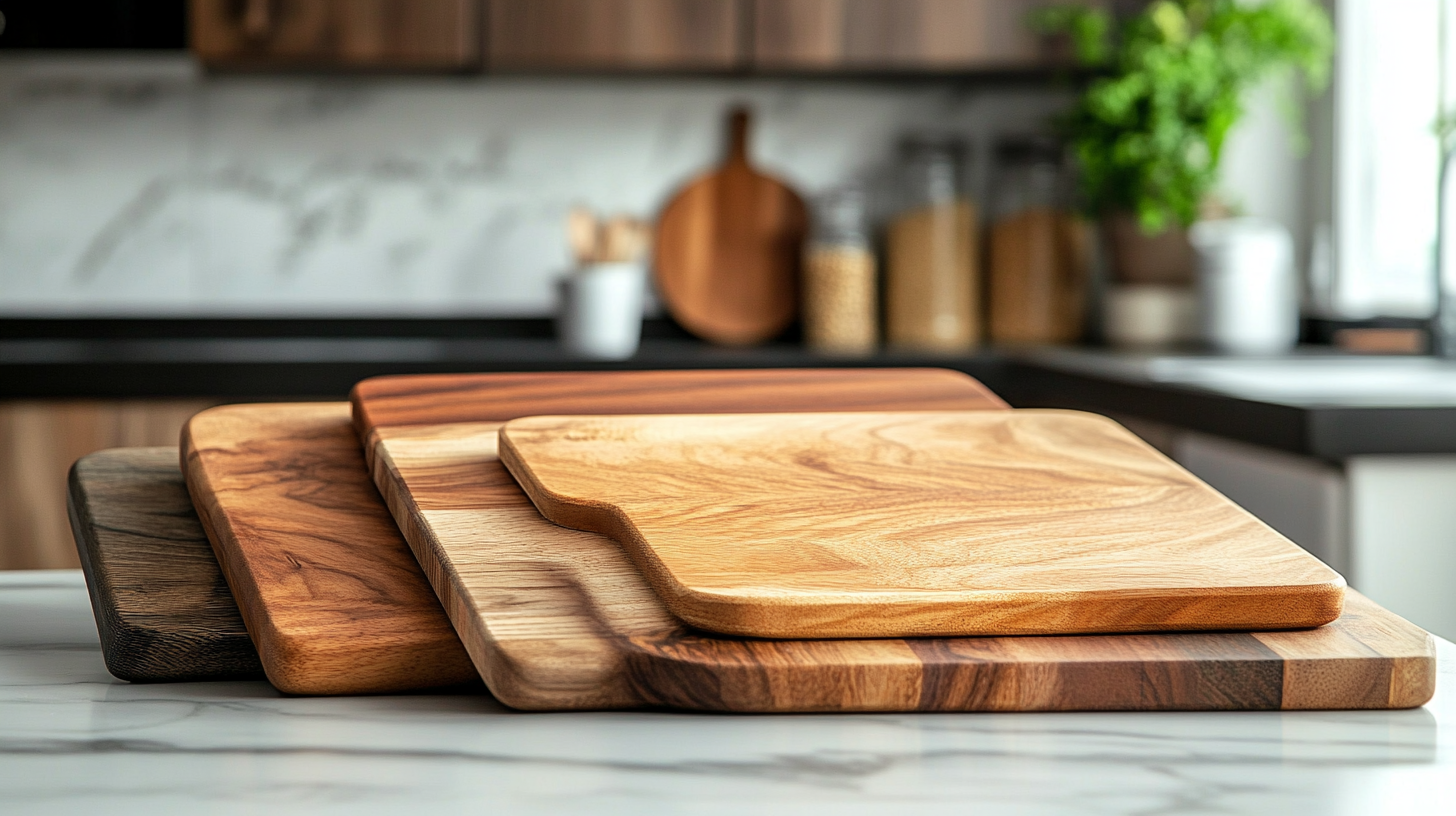
Types of Wood for Kitchen Cutting Board
Here are the top species I reach for, with honest pros and cons. This section uses plain facts and shop-floor notes so you can compare types of wood for kitchen cutting board with ease.
-
Hard maple also called sugar maple
Pros tight pores, neutral color, great hardness for knives, widely used in pro shops.
Cons needs regular oiling, can stain with beet or turmeric if dry. -
Black walnut
Pros gentle on edges, rich color, hides marks well, stable.
Cons slightly open pores vs maple; costs more in many regions. -
Cherry
Pros smooth feel, warms to a deep red-brown, medium hardness.
Cons dents a bit faster than maple; shows water spots if dry. -
Teak
Pros very stable, oily by nature, needs less oil, resists water well.
Cons silica can dull edges faster; choose end or edge grain for best results. -
Beech
Pros fine, even grain, budget friendly in many markets.
Cons moves with humidity; oil more often to prevent fuzz. -
Acacia
Pros tough, attractive grain, fair price, good for daily home prep.
Cons can vary a lot by source; sometimes glued blocks are mixed density. -
White oak
Pros strong and tough; great in end grain; classic look.
Cons more open pores than maple; seal well and keep oiled. -
Bamboo technically a grass
Pros affordable, light, stable, common in thin boards.
Cons lots of glue lines; can be harsh on edges; best as a secondary board. -
Hickory
Pros very hard and durable.
Cons can be too hard on knives; use end grain if you want this look.
Pro tip match the wood to your habits. If you cook wet and fast, teak or walnut forgives slips and water. If you want a clean, pro look for food photos, maple rules. For many homes, a maple primary board plus a bamboo or acacia utility board covers every task.
:max_bytes(150000):strip_icc()/Yes4All-wooden-cutting-board-grace-kelly-03-2c7bb0ab19b54acca22faa8cd81a7d18.jpg)
End Grain vs Edge Grain vs Face Grain
Grain matters as much as species. It changes how the board wears, how it grips, and how it treats knives. When you weigh types of wood for kitchen cutting board, compare grain cut first.
-
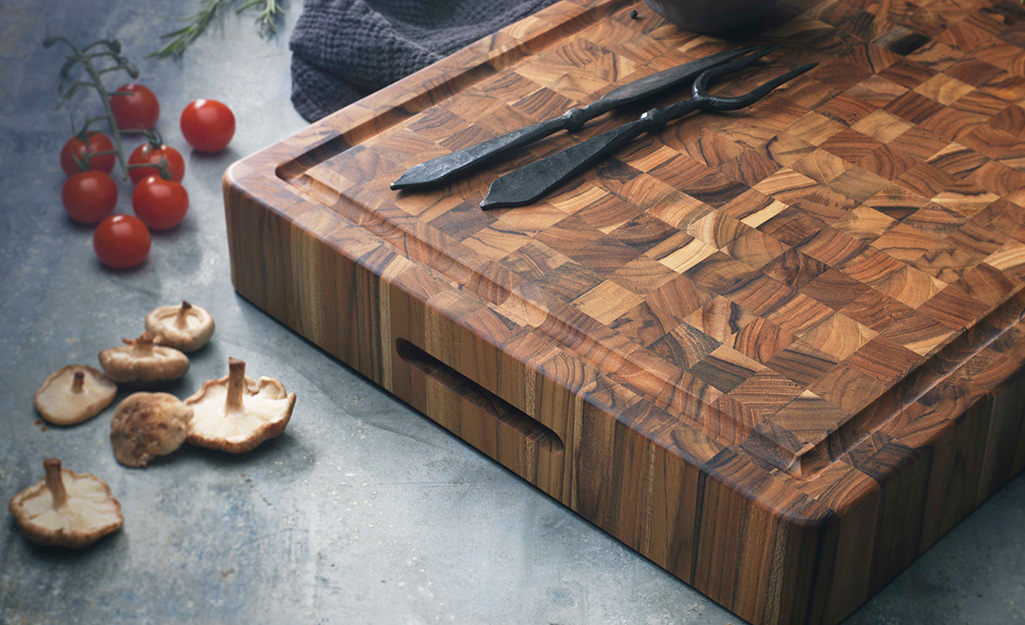
End grain the fibers stand up like a brush. The knife slips between fibers.
Pros very kind to edges, self-healing look, premium feel.
Cons heavier, pricier, needs more care with oil and wax. -
Edge grain the long edges of boards face up.
Pros stable, cheaper than end grain, classic stripe look.
Cons shows knife marks sooner than end grain. -
Face grain the wide face is up, like furniture.
Pros beautiful grain; great for serving.
Cons least durable for chopping; saves best for light prep.
I use end grain walnut for daily prep and a lighter edge grain maple for travel jobs. The walnut end grain stays quiet and flat. The maple travels well and cleans fast in tight sinks.
Woods to Avoid or Use with Care
Not every pretty board belongs in the kitchen. When you compare types of wood for kitchen cutting board, skip woods that stain, split, or shed sap.
-
Softwoods like pine, cedar, fir
They dent fast, soak up smells, and can shed resin. -
Very open-pore woods like red oak
Pores can trap moisture and stains; hard to sanitize. -
Strongly aromatic or oily exotics like padauk or rosewood
Can bleed color, taint food, or cause skin reactions for some people. -
Reclaimed or mystery wood
May have lead paint, pesticides, or unknown finish. Keep it for decor, not food.
If you love the look of a risky species, use it as a serving board only. Keep raw proteins on safer, closed-pore hardwoods.
Care and Maintenance by Wood Type
Care is simple but steady. The right routine makes any good board last years. This also affects how you judge types of wood for kitchen cutting board, since some need more oil than others.
-
Daily wash
Use warm water, a little soap, and a quick scrub. Rinse, then dry upright. -
Monthly oil
Food-grade mineral oil works well. Add a beeswax blend for extra seal. -
Sanitizing
Vinegar or 3% hydrogen peroxide can reduce surface germs. Wipe and let air-dry. Studies show hardwoods release moisture from the surface, which helps lower bacterial survival when cleaned well. -
By species
Maple and beech need oil more often. Walnut needs moderate oil. Teak needs less oil due to natural oils. -
Repairs
Raise small fuzz with a damp wipe, dry, then sand with 220 grit. Re-oil to finish.
I schedule oiling on the first Sunday each month. It takes ten minutes and saves hours of sanding later.
:max_bytes(150000):strip_icc()/ironwood-acacia-board-1-wooden-cutting-boards-grace-kelly-8dd7a039bbe94271b6fdc8013d96c303.jpg)
Sustainability and Sourcing
Good boards should be good for forests too. When you shop the types of wood for kitchen cutting board, look for clear and legal supply.
- Choose certified or verified sources ask for responsible forestry proof.
- Favor domestic hardwoods when possible maple, cherry, and walnut are strong picks.
- For teak, look for plantation-grown with traceable origin.
- Bamboo grows fast and is a lower-impact option for light prep boards.
- Ask about glue and finish seek food-safe adhesives and mineral oil or wax.
A quality maker will share species, origin, and finish up front. If they will not, move on.
:max_bytes(150000):strip_icc()/wooden-cutting-boards-brooklyn-butcher-blocks-grace-kelly-b3b4ac4a727943a2a83033fa1676c87c.jpg)
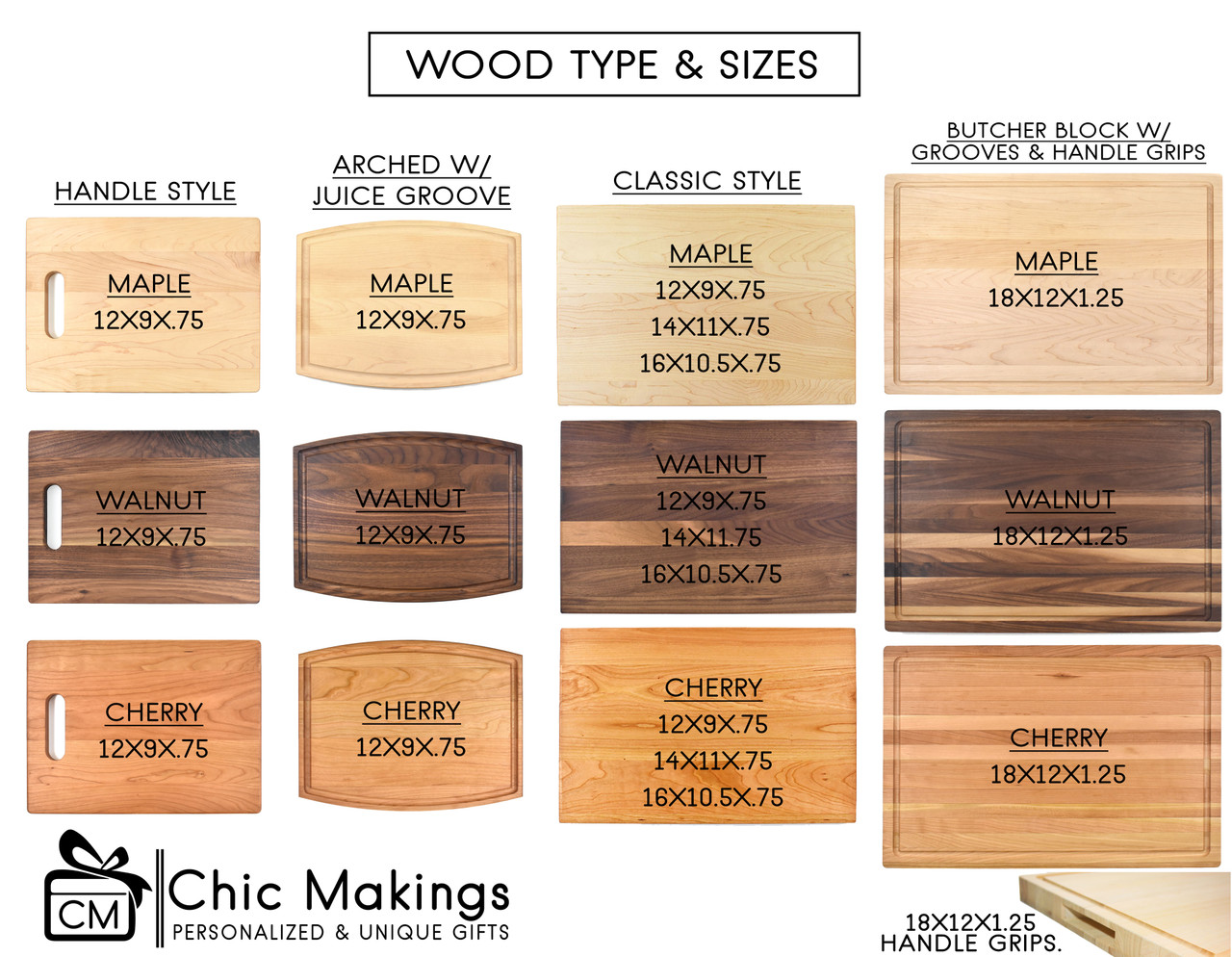
Sizing, Thickness, and Features
The right size beats a pretty grain every time. Think about how you cook as you compare types of wood for kitchen cutting board.
-
Size
Daily prep likes 18 by 12 inches or larger. Small 12 by 8 boards are great for fruit or garlic. -
Thickness
Home boards run 1 to 1.5 inches. Heavy end grain goes 2 inches or more for stability. -
Features
Juice grooves help with roasts. Handholds make lifting safe. Rubber feet stop slip, but remove the flip side.
My home kit pairs a 20 by 15 by 2 inch walnut end grain for all-day prep and a thin 12 by 9 maple for coffee bar snacks. That mix covers heavy chops and quick cuts without crowding my sink.

Safety, Hygiene, and Science
Knife marks do not make a board dirty by default. What matters is cleaning and dry time. Research on food surfaces suggests hardwoods like maple reduce bacterial survival on the surface when washed and dried well. That said, you still need good habits when picking types of wood for kitchen cutting board.
-
Use separate boards
Keep one for raw proteins and one for ready-to-eat foods. -
Dry fast
Stand the board on edge so air moves on all sides. -
Avoid vegetable oils
They can go rancid. Stick to mineral oil and wax blends.
Good wood plus good habits beats cheap plastic that warps and hides knife grooves.
Budget and Value Comparison
You can match your spend to your cooking pace. Price shifts by species, grain, and size. Keep lifetime cost in mind when weighing types of wood for kitchen cutting board.
-
Entry level
Bamboo, beech, and acacia. Great for light prep and backups. -
Midrange
Edge grain maple, cherry, or walnut. Best value for most homes. -
Premium
End grain maple, walnut, or teak. Highest upfront cost but long life and best knife feel.
If you cook daily, pay once for end grain. If you prep twice a week, edge grain maple will serve you for years with basic care.
Frequently Asked Questions of types of wood for kitchen cutting board
Is maple or walnut better for knives?
Both are gentle, but walnut feels softer and quieter. Maple is a touch harder and can keep a crisp cutting feel longer.
Can I use oak for a cutting board?
White oak can work, especially in end grain and when well oiled. Red oak is very open-pored and is better avoided for raw protein prep.
How often should I oil my board?
Most boards like a monthly oil, or anytime the surface looks dry. Teak may need oil less often; maple and beech need more frequent care.
Are wooden boards safe for raw meat?
Yes, with proper cleaning and drying. Use a separate board for raw proteins and wash with warm soapy water, then air-dry upright.
Is bamboo a good choice?
Bamboo is budget friendly and stable but can be tougher on knives due to glue and hardness. It is great as a secondary or snack board.
What oil is best for conditioning?
Use food-grade mineral oil and a beeswax blend for sealing. Avoid olive, canola, or other cooking oils, which can turn sticky or rancid.
Do juice grooves matter?
They help with roasts and fruit by catching liquids. For general chopping, a flat board gives more space and is easier to clean.
Conclusion
The best board fits your knife, your sink, and your routine. Hard maple, walnut, cherry, teak, beech, and acacia all shine in the right setup. End grain pampers blades; edge grain balances cost and strength. As you compare types of wood for kitchen cutting board, match species and grain to how you cook, then commit to simple care.
Pick one board to be your daily driver and oil it this week. Your knives will feel better, and prep will be faster. Want more kitchen gear guides and real test notes? Subscribe, ask a question, or share your favorite board story.