
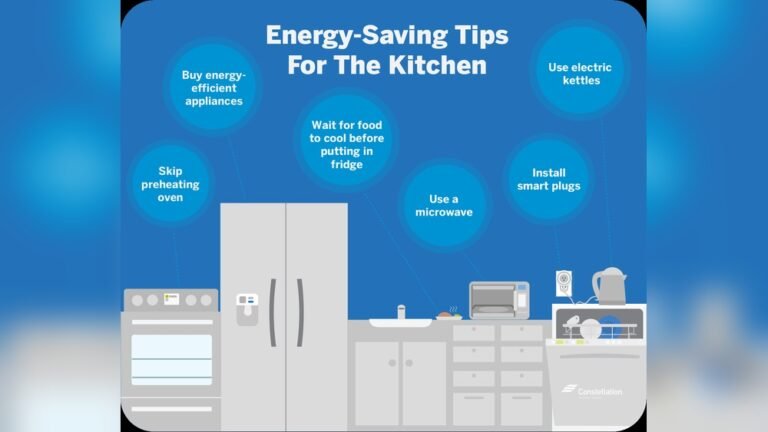
Saving energy is a hot topic in many homes, especially in the kitchen where appliances often run for hours. People often ask if smart plugs can truly lower electricity use in the kitchen or if they are just another tech gadget. Let’s explore how smart plugs work, their impact on your power bills, and whether they’re worth adding to your kitchen.
How Smart Plugs Work
A smart plug is a small device you plug into a wall outlet. You then plug your appliance into the smart plug. Using a phone app or voice assistant, you can turn the plug on or off from anywhere. Many smart plugs also let you set schedules or timers.
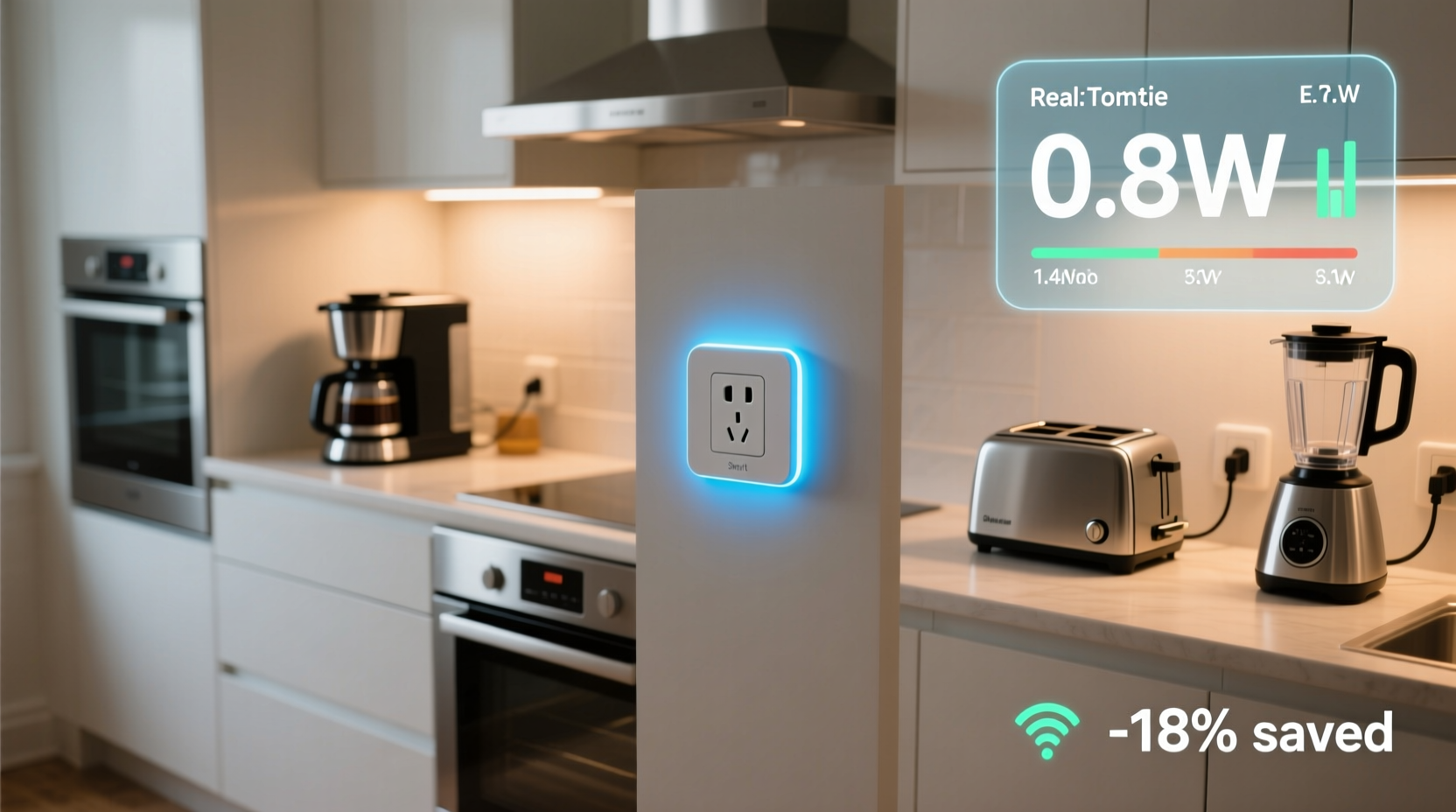
One of the main features is energy monitoring. Some models track how much power your appliance uses. This data helps you see which devices use the most electricity.
Where Smart Plugs Help Most In The Kitchen
Not every kitchen device will benefit from a smart plug. Here’s a look at where you’ll see the biggest savings:
- Coffee makers: Many people forget to turn off their coffee maker. A smart plug can switch it off automatically after a set time.
- Toasters and microwaves: These often use standby power (also called vampire power). When plugged in, they draw a small amount of electricity even when not in use.
- Slow cookers: You can schedule these to turn off after cooking, so you don’t waste energy if you forget.
- Electric kettles: Prevent them from being left on by accident.
- Mini fridges (when not storing perishables): Turn them off during holidays or periods of non-use.
Many large appliances like refrigerators and ovens need a constant power supply or use too much power for a standard smart plug. Never use smart plugs for high-wattage devices unless the plug is rated for it.

Credit: us.aqara.com
How Much Electricity Can You Actually Save?
Smart plugs help mostly by cutting standby power and stopping devices from running longer than needed. But how much can this save?
| Appliance | Typical Standby Power (Watts) | Annual Standby Cost (USD) |
|---|---|---|
| Coffee Maker | 1.0 | $1.20 |
| Microwave | 3.0 | $3.60 |
| Toaster Oven | 2.0 | $2.40 |
If you control several devices, total savings can add up. For example, if you cut 10 watts of standby power for a year, you’ll save about $12 (at $0. 14 per kWh). While this may not seem like much, over five or more devices, the numbers grow.
But the real savings come from stopping appliances from running when not needed. For example, leaving a coffee maker or slow cooker on for just one extra hour a day can cost an extra $10–$20 per year, depending on its wattage.
Smart Plugs Vs. Manual Unplugging
You might wonder: why not just unplug devices? For some, this works. But many people forget or don’t want to reach behind heavy appliances each time.
Here’s a quick comparison:
| Method | Effort | Consistency | Convenience |
|---|---|---|---|
| Manual Unplugging | High | Low | Poor |
| Smart Plug | Low | High (with schedules) | Excellent |
Smart plugs win on convenience and consistency. You can automate schedules or control devices with your voice. This makes it much easier to actually save power every day.
Credit: lifetips.alibaba.com
What Most People Overlook
Many beginners miss two key points:
- Smart plugs use electricity too: Most smart plugs consume about 1 watt to stay connected. This means they use about $1–$1.50 in electricity per year. The savings must be more than this to be worth it.
- Device compatibility matters: Not all appliances turn back on when power is restored. For example, some microwaves or coffee makers reset when unplugged. Always test how your devices react before setting up schedules.
Hidden Benefits Beyond Electricity Savings
While direct savings may seem small, smart plugs offer extra value:
- Improved safety: Automatically turning off devices reduces fire risks, especially with toasters or slow cookers.
- Remote control: You can turn off appliances from anywhere—great if you forget to switch off the coffee maker before leaving home.
- Usage tracking: Seeing real data helps you spot wasteful habits. This can lead to bigger changes, like upgrading old appliances.
Are Smart Plugs Worth It In The Kitchen?
If your kitchen has many small appliances left on standby or running too long, smart plugs can save money. But they are not a magic solution. For most homes, the savings come from improved habits and the ability to automate.
A smart plug costs about $10–$25. If you control several devices or value the convenience and safety, you’ll likely break even within 1–2 years. Remember, savings are higher if you often forget to turn off appliances.
For more on energy-saving devices and their impact, check out this U.S. Department of Energy guide.
Frequently Asked Questions
Do Smart Plugs Save A Lot Of Energy In The Kitchen?
Smart plugs save small amounts by cutting standby power and turning off appliances automatically. Savings grow if you have many devices or often leave things on by mistake.
Which Kitchen Appliances Benefit Most From Smart Plugs?
Coffee makers, toasters, microwaves, slow cookers, and electric kettles benefit most. These devices often use standby power or can be left running after use.
Can I Use A Smart Plug With My Refrigerator Or Oven?
Most refrigerators and ovens need constant power and draw too much electricity for standard smart plugs. Only use smart plugs with low-to-medium wattage devices.
Do Smart Plugs Increase My Electricity Bill?
Smart plugs use a tiny amount of electricity (about 1 watt). But if you use them to control several devices, the total savings will still be greater.
What Features Should I Look For In A Smart Plug?
Look for energy monitoring, scheduling, compatibility with your phone or voice assistant, and a wattage rating that matches your appliances. Always check reviews and safety certifications before buying.
Adding smart plugs to your kitchen can be a smart step for both convenience and energy savings, especially if you automate or often forget to turn off devices. The key is to use them where they make the most sense and always consider the real behavior of your appliances.

Credit: www.amazon.com