
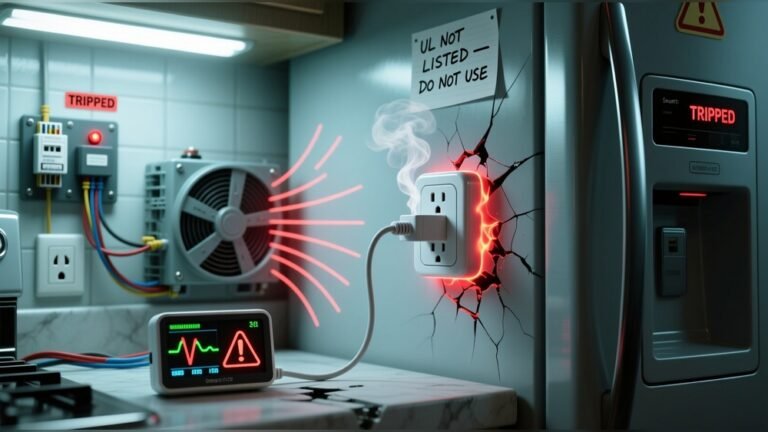
Many people love the idea of smart plugs. They can turn devices on and off from anywhere, schedule routines, and even help save energy. But when it comes to big appliances like refrigerators, the question is not so simple: Are smart plugs safe for refrigerators? Before you plug in your fridge, it’s important to understand the risks, benefits, and what experts really say.
How Smart Plugs Work
Smart plugs are simple devices. You plug them into a wall outlet, then plug your appliance into the smart plug. Using a smartphone app or voice assistant, you can control the power. For small gadgets like lamps or coffee makers, this works well. But refrigerators are different.
Refrigerators use a lot of energy when the compressor starts. This is called an inductive load. Not all smart plugs are built for this kind of heavy-duty use. Most are designed for resistive loads (like heaters or lights), which don’t have a large startup surge.
Risks Of Using Smart Plugs With Refrigerators
There are real risks when connecting a refrigerator to a smart plug. Here are the main concerns:
1. Power Surge And Startup Load
When your refrigerator’s compressor starts, it can draw 2–3 times more power for a short time. Many smart plugs are rated for only 10–15 amps. If the plug cannot handle the surge, it could overheat, fail, or even cause a fire.
2. Interrupting The Cooling Cycle
Smart plugs can accidentally turn off your fridge. A brief power cut may stop the compressor. If this happens often, it can damage the motor, cause food spoilage, or shorten the fridge’s life.
3. Incompatibility With Modern Fridges
Newer refrigerators often use inverter compressors or advanced electronics. These systems don’t like frequent power interruptions. Using a smart plug could confuse the electronics and void your warranty.
4. Wi-fi And App Failures
If your internet or smart home app fails, you might lose control of the smart plug. This can leave your fridge without power until you notice.
Credit: lifetips.alibaba.com
What Do Appliance Makers And Experts Recommend?
Most major refrigerator manufacturers warn against using smart plugs or extension cords. For example, GE Appliances and Samsung recommend plugging refrigerators directly into the wall outlet. The main reasons are:
- Direct connections reduce fire risk.
- Power cuts can harm the compressor.
- Warranty claims may be denied if a smart plug caused damage.
Electricians and safety experts agree. The National Fire Protection Association (NFPA) also suggests avoiding adapters or smart plugs with refrigerators for safety reasons.
When (and How) A Smart Plug Might Be Safe
Despite the warnings, some people still want to monitor their refrigerator’s energy use or automate it. If you choose to use a smart plug, follow these rules:
1. Check The Smart Plug’s Rating
Only use plugs rated for at least 15 amps and 1800 watts. Look for plugs marketed as “heavy-duty” or “appliance-grade.”
2. Avoid Frequent Switching
Do not use the smart plug to turn your refrigerator off and on multiple times a day. If you must, keep it to rare cases like long trips.
3. Test For Heat
After installing, check if the smart plug becomes hot during normal fridge operation. If it does, unplug immediately.
4. Use For Monitoring Only
Some smart plugs offer energy monitoring without remote switching. This is safer, as it does not interrupt power.
5. Understand Your Fridge
If your refrigerator has advanced electronics or inverter technology, avoid smart plugs. Stick to direct wall outlets.
Real-world Example: Startup Power Draw
To see why this matters, consider a medium-sized refrigerator:
- Running power: 150 watts
- Startup surge: 600–800 watts (for a few seconds)
Most smart plugs can handle the running power, but only a few can survive the surge. The risk is highest when the fridge cycles on and off frequently, like in hot weather.
Comparison: Smart Plug Ratings Vs Refrigerator Load
Here’s a simple comparison of typical smart plug ratings and refrigerator needs:
| Device | Amps (Max) | Watts (Max) | Startup Surge |
|---|---|---|---|
| Standard Smart Plug | 10 | 1200 | No |
| Heavy-Duty Smart Plug | 15 | 1800 | Sometimes |
| Refrigerator (Typical) | 6 (running) | 150 (running) | 600–800W (surge) |

Credit: www.amazon.com
Alternatives To Smart Plugs For Refrigerators
If you want to monitor your refrigerator without risk, consider these options:
- Smart Outlets: Some homes have smart wall outlets rated for appliances. These are safer than plug-in adapters.
- Dedicated Energy Monitors: Devices like the Kill-A-Watt plug in between your fridge and the wall. They measure energy but don’t control power.
- Smart Home Alerts: Some fridges now come with built-in Wi-Fi and can alert you if the door is left open or if there’s a power failure.
Signs Your Smart Plug Is Unsafe
Watch for these warning signs if you’re already using a smart plug:
- The plug feels warm or hot to the touch
- There are burn marks or a melted smell
- Your refrigerator’s lights flicker or it restarts often
- The smart plug disconnects or malfunctions
If you notice any of these, unplug immediately and switch to a direct wall connection.
Cost And Convenience Vs. Safety
It’s tempting to use smart technology everywhere. Smart plugs are cheap (often $10–$30), but a refrigerator is a big investment—often over $1,000. Saving a few dollars or adding convenience is not worth risking food loss, repairs, or even a house fire.
A Quick Look: Smart Plug Use Cases
| Appliance | Safe for Smart Plugs? | Notes |
|---|---|---|
| Lamp | Yes | Low power, on/off is safe |
| Fan | Yes | Low to moderate power |
| Space Heater | No (unless heavy-duty) | High fire risk |
| Refrigerator | No (in most cases) | Startup surge, risk of damage |

Credit: kadis.com.ng
The Bottom Line
Smart plugs make life easier for many small devices, but refrigerators are a special case. Most experts and manufacturers say it’s not safe. The risks of damaging your fridge or even starting a fire are real. If you must use a smart plug, choose a heavy-duty model, avoid frequent switching, and monitor for problems. For most people, plugging your refrigerator directly into the wall is the safest choice. For more in-depth appliance safety information, check this detailed Consumer Reports guide.
Frequently Asked Questions
Can Smart Plugs Handle The Power Needs Of Refrigerators?
Most standard smart plugs are not designed for the high startup surge of refrigerators. Even if a plug works at first, long-term use may damage both the plug and the fridge.
Will Using A Smart Plug Void My Refrigerator Warranty?
In many cases, yes. If your refrigerator fails and the manufacturer finds you used a smart plug, they may refuse warranty service.
Are There Smart Plugs Made For Refrigerators?
A few “appliance-grade” smart plugs claim to handle large loads, but most experts still recommend a direct wall outlet for safety.
What’s The Safest Way To Monitor My Refrigerator’s Energy Use?
Use a dedicated energy monitor that does not switch power on and off. These are safer and will not risk your appliance.
Is It Ever Okay To Use A Smart Plug With A Fridge?
Only if the smart plug is rated for heavy-duty appliances, you do not switch it off often, and you monitor for any issues. Even then, it’s not as safe as a direct connection.