
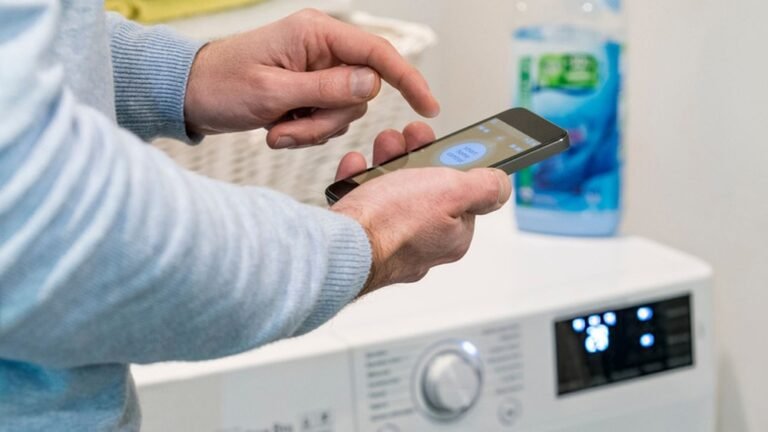
Smart appliances are everywhere—refrigerators, washing machines, ovens, even thermostats. These devices connect to the internet, making life easier with remote controls, automatic updates, and smart alerts. But as homes fill with connected gadgets, a new question appears: Do smart appliances collect your data? Many people wonder what information these devices gather, how it’s used, and if privacy is at risk.
What Data Do Smart Appliances Collect?
Smart appliances are designed to be helpful. To do this, they collect different types of data. The kind and amount depend on the device, brand, and features.
Common data collected includes:
- Device usage: How often you use the appliance, settings, and cycles.
- Location information: Some appliances use your home’s Wi-Fi network to know where they are.
- Personal preferences: Such as saved recipes in smart ovens or favorite wash cycles.
- Maintenance info: Error codes, filter status, and performance details.
- Network details: IP addresses and device connections.
For example, a smart refrigerator might track when you open the door, which items you scan in, and how often you adjust the temperature.
Real-world Example
A 2026 study found that nearly 80% of smart home devices send usage data back to manufacturers. Some appliances, like smart TVs, even track viewing habits and send reports regularly.
Why Is Data Collected?
Manufacturers say data collection helps improve products and services. Here are the main reasons:
- Personalization: Devices learn your habits to offer better suggestions.
- Remote diagnostics: Companies can fix issues remotely or alert you about problems.
- Software updates: Appliances need data to update features or security.
- Marketing: Brands may use data to recommend new products.
But not all data collection is just for improving your experience. Some companies may share information with partners or advertisers.
How Much Data Is Shared?
It’s not always clear how much data leaves your home. Below is a comparison of two popular smart appliances and their data practices.
| Appliance | Data Collected | Shared With Third Parties |
|---|---|---|
| Smart Refrigerator | Usage, inventory, temperature logs | Yes (advertisers, service partners) |
| Smart Washer/Dryer | Cycle history, error codes, energy use | No (kept by manufacturer) |

Credit: www.faststreamtech.com
Privacy Risks And Security Concerns
Smart appliances bring convenience but also new privacy risks. If data is not handled safely, it can be exposed or misused.
Common Risks
- Data breaches: Hackers may access personal info through weak security.
- Unwanted tracking: Companies could monitor your routines more than you expect.
- Identity theft: If sensitive info is leaked, it could lead to bigger problems.
A 2026 report found that one in four smart appliances had security flaws allowing unauthorized access. Many users don’t change default passwords, making it easy for hackers to get in.
Security Features Comparison
Below is a look at how two brands protect user data.
| Brand | Security Features | Automatic Updates |
|---|---|---|
| Brand A | Encryption, two-factor authentication | Yes |
| Brand B | Basic password protection | No |
Non-obvious insight: Many smart appliances rely on your home Wi-Fi for security. If your router is not secure, every connected device becomes vulnerable—even those with strong built-in protection.
How To Protect Your Data
You can take steps to limit what your smart appliances collect and share. Here are practical actions:
- Read privacy policies: Check what data is collected and who it’s shared with.
- Change default passwords: Always set unique, strong passwords for each device.
- Limit permissions: Disable features you don’t use, like voice commands or location.
- Update software: Regularly check for firmware and app updates.
- Use secure Wi-Fi: Enable WPA3 security on your router and hide your network name.
- Opt out of data sharing: Some appliances let you refuse sharing data for marketing.
Practical Example
If you own a smart oven, you may be able to turn off recipe tracking or disable sharing with third-party apps in the settings menu. Always look for data controls in the device’s app.
Another important tip: Don’t forget to check companion apps. These often collect more data than the appliance itself and may share it with cloud services.

Credit: midsouthfiber.com
Regulations And Your Rights
Many countries now have rules for smart device data. In the US, there’s no single law, but privacy is protected by several regulations. In Europe, the GDPR gives strong rights to users, letting you see, delete, or export your data.
Manufacturers must also follow industry standards. If you think your data is being misused, you can file complaints with regulators or consumer protection agencies.
For more information on appliance privacy and regulations, visit the Federal Trade Commission.
Frequently Asked Questions
Are All Smart Appliances Collecting Data?
Most smart appliances collect some data, but the amount varies. Some only track basic usage, while others gather personal preferences and location.
Can I Stop My Appliance From Sending Data?
Yes, many devices let you change settings to limit data sharing. Look in the app or device menu for privacy options, and turn off features you don’t use.
Is My Information Safe With Smart Appliances?
Smart appliances use security features like encryption, but risks still exist. Always keep your devices updated and use strong Wi-Fi security.
Who Gets Access To My Data?
Manufacturers usually have access, but some share data with service partners or advertisers. Always check the privacy policy to know who else may see your information.
What Should I Do If I Suspect A Data Breach?
If you think your appliance or app has been hacked, disconnect it from the network, change passwords, and contact the manufacturer. You can also report breaches to consumer protection agencies.
Smart appliances make life easier, but they do collect your data. Understanding what information is gathered, how it’s used, and how to protect it can help you stay safe and enjoy the benefits of connected living. Always check privacy settings, keep your devices secure, and stay informed about your rights.

Credit: www.pcmag.com