
Living alone can offer a sense of independence, but for seniors, it can also present challenges. Safety, health, and daily tasks might become more difficult. Fortunately, smart kitchen devices can help seniors maintain their independence and peace of mind. These technologies offer features that simplify cooking, promote safety, and even provide connection.
Many seniors worry about forgetting to turn off the stove or manage medications. Others might struggle with opening jars or remembering meal times. Smart devices are designed to address these concerns, making the kitchen a safer and more manageable space.
They can automate tasks, provide reminders, and offer alerts when something is wrong.
Simplifying Daily Cooking And Meal Prep
Cooking can be a joy, but for seniors, certain aspects might become tricky. Smart devices can make meal preparation easier and more enjoyable.
Smart Microwaves And Ovens
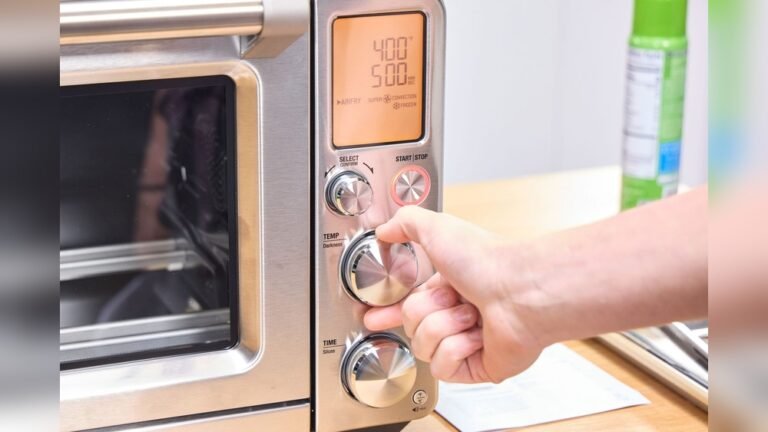
Modern ovens and microwaves offer features that can help seniors. Many have preset cooking functions for common foods, taking the guesswork out of cooking times and temperatures. Some smart ovens connect to a mobile app, allowing a caregiver or family member to monitor cooking progress remotely. This can be reassuring for those who worry about a senior forgetting food in the oven.
For instance, a smart oven might have a “baked potato” setting. The senior simply selects this option, and the oven adjusts the time and temperature automatically. This removes the need to remember complex instructions.
Voice-activated Appliances
Voice assistants like Amazon Alexa or Google Assistant can control many smart kitchen devices. This is incredibly useful for seniors with limited mobility or dexterity. They can ask their voice assistant to preheat the oven, set a timer, or even look up a recipe.
Imagine a senior who has just finished a meal and wants to reheat leftovers. Instead of walking to the microwave and pressing buttons, they can simply say, “Alexa, set the microwave to 1 minute on high.” This hands-free operation is a significant convenience.
Smart Cooktops And Stoves
Safety is a major concern in the kitchen, especially for seniors living alone. Smart cooktops can help prevent accidents. Some models have auto shut-off features that turn off the burners after a set period of inactivity. Others can send alerts to a smartphone if a burner is left on for too long.
Induction cooktops are also a good option. They heat the cookware directly, making the surface cooler and reducing the risk of burns. They also heat up quickly and are very energy-efficient.
Pro Tip: When choosing a smart cooktop, look for models with easy-to-read displays and simple controls. Some models have physical knobs in addition to touch controls, which can be easier for some seniors to use.
Enhancing Kitchen Safety
Beyond cooking, smart devices can bolster overall kitchen safety for seniors.
Smart Smoke And Carbon Monoxide Detectors
These detectors are more advanced than traditional ones. They can send instant alerts to a smartphone if smoke or CO is detected, even if the senior doesn’t hear the alarm. This is crucial if hearing loss is an issue. Alerts can also be sent to designated family members or caregivers.
This provides an extra layer of security, ensuring that help can be summoned quickly in an emergency.
Smart Plugs And Outlets
Smart plugs can turn any appliance into a smart one. You can plug a coffee maker into a smart plug, for example, and control it remotely via an app or voice command. More importantly, smart plugs can be used to turn off appliances automatically at a scheduled time. This is excellent for preventing issues with forgotten appliances like toasters or coffee makers.
If a senior is prone to forgetting if they unplugged something, a smart plug offers peace of mind. They can check the app to see if the device is off, or even turn it off remotely.
Automatic Stove Shut-off Devices
These are specifically designed safety devices. They attach to existing stoves and can automatically turn off the burners if they are left on for too long or if no one is detected in the kitchen for a specific period. Some models can be remotely controlled by a caregiver.
A study by the National Fire Protection Association found that cooking equipment is the leading cause of home fires and home fire injuries. Devices that prevent stoves from being left on unattended can significantly reduce this risk. You can learn more about home fire safety at the National Fire Protection Association website.

Credit: www.amazon.com
Supporting Health And Well-being
Smart devices can also play a role in a senior’s health and overall well-being.
Smart Pill Dispensers
While not strictly a kitchen device, many seniors keep their medication near the kitchen. Smart pill dispensers can remind seniors when to take their medication and dispense the correct dosage. They can send alerts to the senior and to a caregiver if a dose is missed.
This helps ensure medication adherence, which is vital for managing chronic health conditions. It reduces the risk of missed doses or accidental double-dosing.
Smart Refrigerators
Some smart refrigerators can help seniors manage their groceries. They can track inventory, suggest recipes based on what’s inside, and even alert you when food is about to expire. This can help seniors eat healthier by ensuring they have fresh ingredients and reduce food waste.
For example, a smart fridge might notice you’re low on milk and add it to a digital shopping list. It can also remind you that the lettuce is nearing its expiration date, prompting you to use it soon.
Voice Assistants For Connection
Voice assistants aren’t just for controlling appliances. They can also help seniors stay connected with family and friends. Seniors can make hands-free calls, send messages, or even have video calls using just their voice. This combats loneliness and isolation, which can be significant issues for seniors living alone.
Choosing The Right Devices
When selecting smart kitchen devices for seniors, several factors are important.
Ease Of Use And Simplicity
The most advanced device is useless if the senior cannot figure out how to use it. Look for devices with intuitive interfaces, large buttons, and clear displays. Voice control is a major plus for many seniors.
Reliability And Safety Features
Prioritize devices with strong safety features like auto shut-off and alerts. Ensure the devices are from reputable brands known for reliability. Regular software updates are also important for security and performance.
Connectivity And Support
Consider how the devices connect (Wi-Fi, Bluetooth) and if they require a smartphone or tablet. Ensure there is accessible customer support available in case of issues. For seniors less familiar with technology, a simple setup process is key.
Here’s a quick comparison of some smart device types:
| Device Type | Key Benefit for Seniors | Potential Drawback |
|---|---|---|
| Smart Oven | Preset cooking, remote monitoring | Can be expensive, requires Wi-Fi |
| Voice Assistant | Hands-free control, communication | Privacy concerns, requires clear voice commands |
| Smart Smoke Detector | Remote alerts for emergencies | Requires reliable internet connection |
| Automatic Stove Shut-Off | Prevents fires from unattended cooking | May require professional installation |
| Smart Pill Dispenser | Medication reminders and adherence | Requires regular refilling, potential for malfunction |
Installation And Setup
Some smart devices are plug-and-play, while others may require professional installation. For example, a smart cooktop might need an electrician. Consider the technical skills required for setup and ongoing maintenance. A simpler setup means less frustration for the senior.

Credit: www.nytimes.com
Frequently Asked Questions
What Are The Most Important Safety Features To Look For?
Look for automatic shut-off timers on cooking appliances, smart smoke and carbon monoxide detectors that send alerts to your phone, and smart plugs that can turn off forgotten devices. These features directly address common household risks.

Credit: www.posha.com
Do Smart Devices Require A Smartphone?
Many smart devices can be controlled via a smartphone app. However, voice assistants can often operate smart devices without needing a smartphone, making them a good option for seniors who don’t use smartphones regularly.