
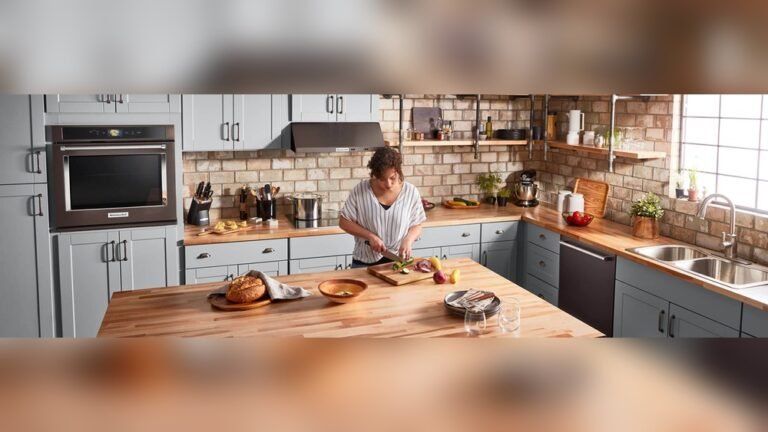
Living independently is important for everyone, but for individuals with limited mobility, everyday tasks in the kitchen can become challenging. The kitchen is often the heart of the home, a place for nourishment, creativity, and connection. When reaching, bending, or gripping becomes difficult, it can impact not just meal preparation but also overall quality of life. Fortunately, smart kitchen gadgets are evolving to offer innovative solutions. These tools are designed to make cooking and kitchen tasks safer, easier, and more accessible for people with reduced physical abilities.
From automatic jar openers to voice-controlled appliances, technology is stepping in to bridge the gap. The goal is not to replace human ability but to augment it, providing independence and confidence in a space that can otherwise feel overwhelming. These gadgets can reduce the physical strain, minimize the risk of injury, and even open up new culinary possibilities.
Let’s explore some of the most helpful smart kitchen gadgets for people with limited mobility.
Automating Everyday Tasks
Many kitchen activities involve repetitive motions or require significant strength. Smart gadgets can take over these demanding tasks, making the kitchen a more user-friendly environment.
Jar And Bottle Openers
Opening jars and bottles is a common hurdle. The twisting motion requires grip strength and wrist dexterity that can be difficult for those with arthritis, hand weakness, or other mobility issues.
- Electric Jar Openers: These devices are a lifesaver. You simply place the opener on top of the jar, press a button, and it automatically grips and twists the lid off. Some models are designed for various lid sizes, offering great versatility.
- Automatic Bottle Openers: Similar to jar openers, these gadgets can handle bottle caps with ease, often with a simple push or lever action.
Smart Cutting Boards
Chopping and slicing can be labor-intensive and pose a risk if grip is unstable.
- Electric Food Choppers/Slicers: These appliances can quickly chop vegetables, fruits, and other ingredients with minimal effort. Many come with different blade attachments for various textures and sizes.
- Adaptive Cutting Boards: Some specialized cutting boards have features like suction cups to keep them stable, built-in clamps to hold food in place, and raised edges to prevent items from rolling off.
Enhancing Appliance Use
Modern appliances are becoming more intuitive and accessible, with smart features that can be controlled remotely or through voice commands.
Voice-activated Appliances
The rise of voice assistants like Alexa and Google Assistant has opened up new avenues for controlling kitchen devices.
- Smart Ovens and Microwaves: Many new ovens and microwaves can be preheated, set cooking times, and even adjust temperatures using voice commands. This is incredibly helpful if reaching controls or bending to operate an appliance is difficult.
- Smart Plugs: For older appliances that aren’t “smart” themselves, smart plugs can be a simple solution. You can plug a coffee maker or toaster into a smart plug and then control it with your voice assistant or a smartphone app, turning it on or off remotely.
Adaptive Utensils And Tools
Even simple tools can be redesigned to be more ergonomic and easier to use.
- Electric Knives: These knives do the cutting work for you, requiring only guidance. They can be useful for slicing bread, roasts, and other firm foods.
- Rocker Knives: These knives have a curved blade and a larger handle. You can use a rocking motion to chop food, requiring less wrist action and pressure.
- Ergonomic Utensils: Many brands offer utensils with thicker, non-slip grips that are easier to hold and control. Some are also angled to reduce the need for wrist rotation.
A key consideration here is ergonomics. The design of a tool matters immensely. A good ergonomic utensil reduces the force needed and minimizes awkward hand or wrist positions, making tasks feel less strenuous and more natural.

Credit: www.ebay.com
Making Cooking Safer
Safety is paramount in the kitchen, especially for individuals with limited mobility who may be at higher risk of accidents. Smart gadgets can mitigate these risks.
Temperature Control And Monitoring
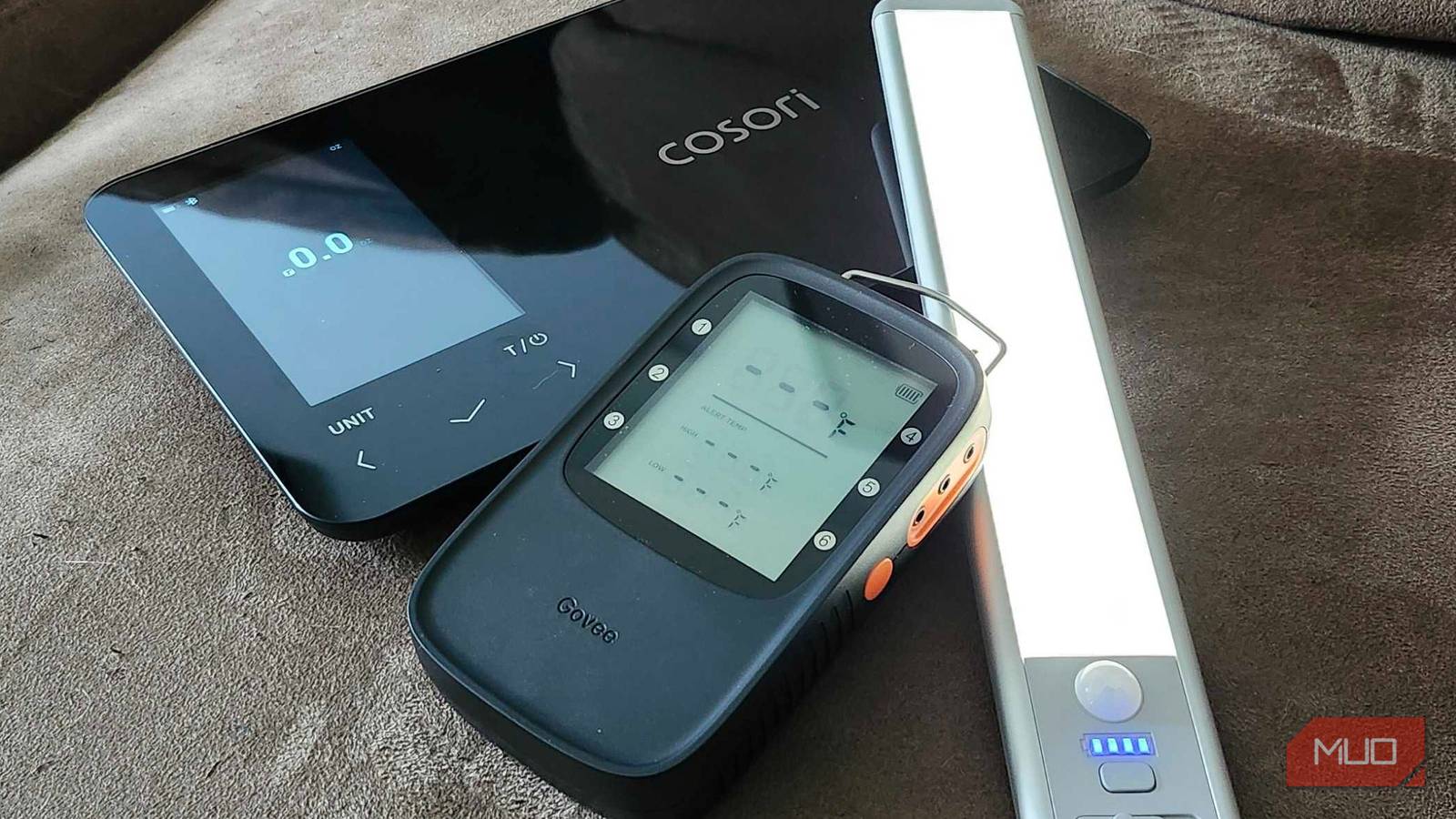
- Smart Thermometers: These thermometers connect to your smartphone and allow you to monitor the internal temperature of food remotely. This means you don’t have to constantly lean over a hot stove or oven.
- Automatic Shut-Off Appliances: Many modern kettles and some toasters have automatic shut-off features. This prevents overheating and potential fires if an appliance is accidentally left on.
Spill Prevention
- Non-Slip Mats: Placing non-slip mats under cutting boards or on countertops can prevent items from sliding, reducing the chance of spills or accidents.
- Weighted Utensils: Some utensils are designed with extra weight in the handle. This can provide more stability for those with tremors or weakness, making them less likely to be dropped or cause spills.
Here is a comparison of some common kitchen tools and their adaptive alternatives:
| Task | Standard Tool | Adaptive Gadget/Tool | Benefit for Limited Mobility |
|---|---|---|---|
| Opening Jars | Manual Jar Opener | Electric Jar Opener | Reduces grip strength needed, minimizes wrist strain. |
| Chopping Veggies | Chef’s Knife | Electric Food Chopper | Eliminates need for precise knife skills and chopping motion. |
| Stirring | Standard Spoon | Electric Stirrer/Stirring Spoon | Reduces repetitive arm movement, maintains consistent stirring. |
| Reaching Items | Step Stool | Reaching Tool (Grabber) | Safer than standing on unstable surfaces, reduces bending. |
| Pouring Liquids | Standard Pitcher | Easy-Pour Pitcher/Dispenser | Lighter, more stable, and easier to control the flow. |
Smart Storage And Organization
Accessibility extends beyond cooking to how items are stored and retrieved.
Pull-out Shelves And Drawers
While not strictly “gadgets,” smart kitchen designs incorporate pull-out shelves and drawers. These bring items from the back of cabinets to the front, eliminating the need to reach deep or bend low. Motorized versions are even available for automated access.
Automated Pantry Systems
Some high-end kitchens feature automated pantry systems that can retrieve specific items upon command, further reducing physical effort.
Credit: www.makeuseof.com
Considerations When Choosing Gadgets
When selecting smart kitchen gadgets, consider a few key factors to ensure they meet specific needs.
Ease Of Use
The gadget should be simpler to operate than the task it replaces. Complex interfaces or multiple steps can be counterproductive. Look for intuitive controls and clear instructions.
Power Source And Charging
Understand how the gadget is powered. Is it battery-operated? Does it require frequent charging? For electric gadgets, ensure you have accessible power outlets.
Size And Storage
Consider the physical size of the gadget and where it will be stored. A bulky item might be difficult to manage or find space for.
Maintenance And Cleaning
Kitchen gadgets need to be cleaned regularly. Check if the gadget is dishwasher safe or easy to wipe down. Removable parts often make cleaning simpler.
Cost And Value
Smart gadgets can range in price. Determine your budget and prioritize the tools that will offer the most significant benefit and address the biggest challenges. Sometimes, a simpler, non-electric adaptive tool can be just as effective as a high-tech gadget.
For example, when I was helping my aunt set up her kitchen after a shoulder injury, we found that a simple lever-style can opener was more effective for her than a complex electric one because it required less coordination. It’s about finding the right tool for the individual.
Technology Integration
The true “smartness” of these gadgets often comes from their integration into a connected home ecosystem.
Smartphone Control
Many smart gadgets can be controlled via dedicated apps on smartphones or tablets. This allows for remote operation and monitoring, which is invaluable if mobility is severely limited. You can preheat your oven from the living room or check if the coffee maker is on without leaving your chair.
Voice Control
As mentioned, voice assistants are powerful tools. They allow for hands-free operation, which is ideal for anyone who has difficulty using their