
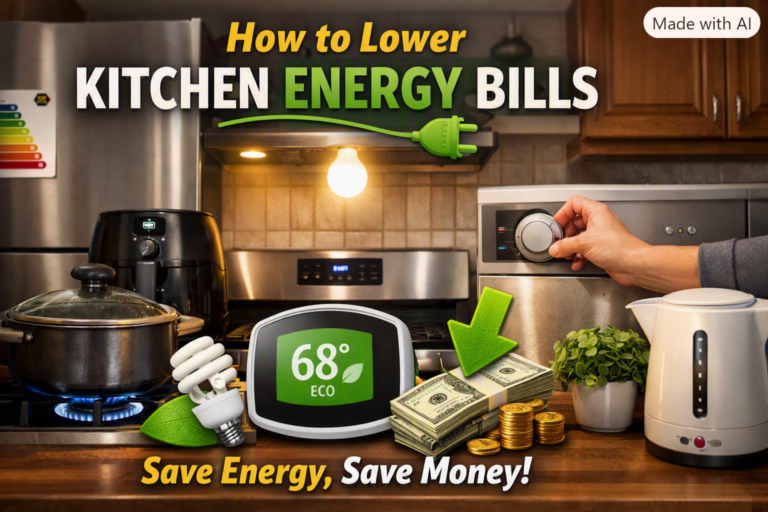
Slash Your Kitchen Energy Use With Smart Devices
Your kitchen is often the heart of the home, but it can also be a major energy hog. From refrigerators running 24/7 to ovens and microwaves used for daily meals, the appliances in your kitchen consume a significant amount of electricity. This not only increases your utility bills but also contributes to your carbon footprint. The good news is that smart home technology offers innovative ways to manage and reduce this energy consumption without sacrificing convenience.
By integrating smart devices into your kitchen, you can gain better control over appliance usage, optimize energy patterns, and make your kitchen more efficient. This article will explore how to leverage smart devices to lower your kitchen energy bills, focusing on practical applications and the benefits they bring.
Smart Plugs: The Gateway To Energy Savings
Smart plugs are one of the simplest and most effective ways to start making your kitchen more energy-efficient. These devices plug into your existing outlets, and then you plug your appliances into them. They connect to your home Wi-Fi network, allowing you to control the connected appliance remotely via a smartphone app or voice commands.
Automating Appliance Power
Many kitchen appliances, like coffee makers, toasters, or even small countertop ovens, consume standby power when they are turned off but still plugged in. This “phantom load” can add up over time. With smart plugs, you can schedule these appliances to turn off completely when not in use. For instance, you can set your coffee maker to turn off automatically after you’ve finished your morning brew, or ensure your toaster is completely powered down overnight.
Monitoring Energy Usage
Beyond simple on/off control, many smart plugs come with built-in energy monitoring features. This allows you to see exactly how much electricity each connected appliance is using in real-time and over time. This data is invaluable for identifying energy-guzzling devices and understanding your kitchen’s overall power consumption patterns.
You might be surprised to learn which appliances are costing you the most.
Example:
Imagine you have a decorative kitchen light that’s always on. Plugging it into a smart plug allows you to schedule it to turn off during daylight hours and only come on in the evening, saving electricity without you having to remember to switch it off manually.
Smart Refrigerators And Freezers: Efficiency Upgrades
Your refrigerator and freezer work continuously, making them some of the biggest energy consumers in your kitchen. While replacing an old appliance is a significant investment, modern smart refrigerators offer advanced features designed to optimize energy use.
Advanced Temperature Control
Smart refrigerators allow for more precise temperature management. Some models can adjust cooling based on usage patterns, for example, by slightly increasing the temperature when the doors haven’t been opened for a while. They can also alert you if a door is left ajar, preventing cold air from escaping and reducing the workload on the compressor.
Energy Saving Modes
Many smart models include specific energy-saving modes that can be activated through the appliance’s interface or a companion app. These modes often adjust cooling cycles to prioritize efficiency, especially during off-peak electricity hours if your utility offers time-of-use pricing.
Pro Tip:
When considering a new refrigerator, look for the ENERGY STAR certification. Smart features can enhance this baseline efficiency, but a fundamentally efficient design is the most crucial factor.
Smart Ovens And Microwaves: Precision Cooking
While not as continuously active as refrigerators, ovens and microwaves can be substantial energy users when in operation. Smart versions of these appliances offer ways to cook more efficiently.
Remote Preheating And Monitoring
Smart ovens allow you to preheat the oven remotely using your smartphone. This means you can start preheating only when you know you’ll be ready to cook, avoiding the energy wasted by letting an oven sit at temperature for too long before you start.
You can also often monitor cooking progress remotely, reducing the need to open the oven door and let heat escape.
Optimized Cooking Cycles
Some smart ovens and microwaves feature pre-programmed cooking cycles that are optimized for energy efficiency based on the food type and weight. This can lead to shorter cooking times and less energy used compared to guessing the correct settings yourself.
Smart Lighting: Illuminating Savings
Kitchen lighting, especially if it’s on for extended periods, contributes to your energy bill. Smart lighting solutions offer control and flexibility that can significantly cut down on wasted electricity.
Scheduling And Dimming
Smart bulbs and switches allow you to schedule your kitchen lights to turn on and off automatically. You can set them to be off during times when the kitchen is typically empty, like late at night or during work hours. Furthermore, smart lighting allows for easy dimming. Reducing the brightness of your lights, even by a small amount, can lead to noticeable energy savings.
Motion Sensors
Integrating motion sensors with your smart lighting can ensure lights are only on when someone is actually in the kitchen. This is particularly useful for pantry lights or under-cabinet lighting that might otherwise be left on unnecessarily.
Smart Thermostats: Indirect Kitchen Savings
While not directly in the kitchen, a smart thermostat can indirectly reduce your kitchen’s energy consumption by managing your home’s overall heating and cooling. A cooler home means less heat radiating from cooking appliances into your living space, potentially reducing the need for air conditioning.
Zone Control And Scheduling
Smart thermostats allow for zoning if your system supports it, meaning you can control the temperature in different areas of your home independently. You can set the kitchen area to a slightly lower temperature during cooking times, as the cooking process itself will generate heat. They also learn your habits and adjust heating/cooling schedules automatically, ensuring you’re not wasting energy heating or cooling an empty house.
Smart Power Strips: Consolidating Control
Similar to smart plugs, smart power strips allow you to control multiple devices plugged into a single strip. This is ideal for areas with many small appliances, like a countertop charging station or a section with various kitchen gadgets.
Centralized Management
With a smart power strip, you can turn off all connected devices with a single command or schedule. This is a convenient way to ensure that multiple small appliances, chargers, and gadgets are not drawing standby power when not in use, consolidating the benefits of individual smart plugs.
Understanding Energy Consumption Data
One of the most powerful aspects of smart home technology is the data it provides. Many smart devices, especially smart plugs and smart appliances, offer detailed energy usage reports through their companion apps.
Identifying Patterns
By reviewing this data, you can identify peak usage times and understand how different activities impact your energy consumption. For example, you might notice a spike when the oven is on for an extended period or when multiple appliances are running simultaneously. This insight allows you to make informed decisions about when to use certain appliances.
Setting Goals And Tracking Progress
Use the energy monitoring features to set energy-saving goals. Seeing your progress over time can be a great motivator to continue optimizing your appliance usage and further reducing your bills.
Frequently Asked Questions
What Is The Most Energy-efficient Way To Cook?
The most energy-efficient cooking methods often involve smaller appliances that use less energy than a full-sized oven. Consider using a toaster oven, microwave, or slow cooker for smaller meals. When using a conventional oven, try to cook multiple dishes at once to maximize the use of the heated space.
How Much Energy Does Standby Power (phantom Load) Consume?
Standby power can account for a significant portion of your electricity bill, often between 5% and 10% of a household’s total energy consumption. While individual devices use small amounts, the cumulative effect of many devices plugged in constantly can add up to a substantial amount over a year.
Are Smart Appliances Truly More Energy-efficient Than Traditional Ones?
Smart appliances often have enhanced energy-saving features and better control mechanisms compared to their traditional counterparts. However, their overall efficiency also depends on the underlying design and the user’s habits. A smart appliance with energy-saving modes will be more efficient than a non-smart appliance of the same basic design, and its smart features allow users to optimize usage further.