
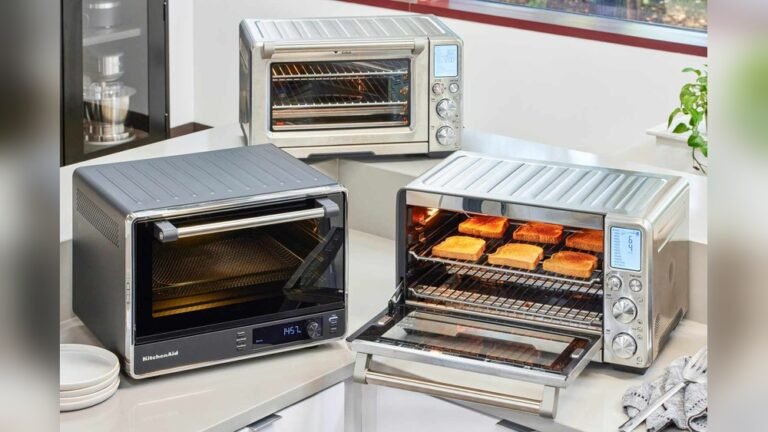
A smart oven is changing how people cook at home. Instead of just heating food, these ovens use technology to make cooking easier, faster, and sometimes healthier. You might wonder if a smart oven is just another kitchen gadget or something you actually need.
Let’s explore what a smart oven really is, how it works, and whether it deserves a place in your kitchen.
What Is A Smart Oven?
A smart oven is a kitchen appliance that connects to the internet or your smartphone. It uses sensors, cameras, and advanced settings to cook food more precisely. Many smart ovens offer features like automatic recipe suggestions, remote control through an app, and voice control via assistants like Alexa or Google Assistant.
Unlike traditional ovens, a smart oven can:
- Recognize the type of food inside using a camera or sensor
- Automatically set the cooking time and temperature
- Send notifications to your phone when your meal is ready
Some popular brands include the June Oven, Tovala, and Brava.
Key Features Of Smart Ovens
Smart ovens offer more than just basic baking and broiling. Here are some features that set them apart:
- Wi-Fi or Bluetooth connectivity – Control your oven from anywhere using your phone.
- Built-in cameras – Watch your food cook in real-time through an app.
- Recipe integration – Get step-by-step cooking instructions.
- Automatic cooking programs – The oven chooses the best settings for your dish.
- Voice assistant compatibility – Use voice commands to start or stop cooking.
- Multi-function cooking – Many smart ovens can bake, air fry, dehydrate, and more.
How Smart Ovens Compare To Regular Ovens
If you’re used to a traditional oven, you might wonder how much difference a smart oven really makes. Here’s a comparison to help you see the differences:
| Feature | Smart Oven | Traditional Oven |
|---|---|---|
| Control Options | App, voice, manual | Manual only |
| Cooking Modes | Multiple (air fry, dehydrate, etc.) | Limited (bake, broil, roast) |
| Smart Sensors | Yes | No |
| Automatic Recipes | Yes | No |
| Price Range | $$–$$$ | $–$$ |
Pros And Cons Of Smart Ovens
Like any device, smart ovens have advantages and disadvantages. Here’s a quick look:
| Pros | Cons |
|---|---|
| Convenient remote control | Higher price |
| Multiple cooking modes | May require Wi-Fi to use all features |
| Guided recipes | Learning curve for new users |
| Faster preheating | Some features may be unnecessary |
| Better energy efficiency | Limited space (for countertop models) |
Credit: www.cupindy.com
Who Should Consider Buying A Smart Oven?
A smart oven isn’t for everyone. Here’s who might benefit most:
- Busy professionals: Save time with automatic cooking and remote control.
- Tech lovers: Enjoy the latest kitchen technology.
- Small families or singles: Many smart ovens are compact, perfect for smaller meals.
- Beginner cooks: Guided recipes and automatic settings help avoid mistakes.
If you rarely cook or prefer traditional methods, a smart oven may not be worth the investment.
What To Look For When Choosing A Smart Oven
Not all smart ovens are the same. Here are key things to check before buying:
- Size and Capacity: Make sure it fits your kitchen and can handle the meals you cook.
- Cooking Functions: Look for the modes you’ll actually use, like air frying or slow cooking.
- App Compatibility: Check if it works with your phone and smart home system.
- Ease of Use: Some ovens are more user-friendly than others.
- Price: Smart ovens can cost between $200 and $1,000. Think about your budget.
A common mistake is buying an oven with features you never use. Focus on what matters to you.

Credit: www.nuwavenow.com
Real-world Examples And Insights
Many users find that a smart oven changes their daily routine. For example, a busy parent can start preheating the oven on their way home from work. Some models even scan a barcode on packaged food and set the right time and temperature automatically.
A non-obvious advantage is the ability to monitor food from your phone. If you’re worried about overcooking, you can check the live video feed and make changes.
Another detail beginners miss: smart ovens can save energy. Because they’re often smaller and heat up faster, they use less electricity than a large traditional oven for the same meal.
Are Smart Ovens Worth The Cost?
Smart ovens are an investment. For some, the time-saving features and advanced cooking options are worth every dollar. For others, especially those who cook rarely or prefer simple meals, a basic oven works just fine.
If you want to see how smart ovens compare to other smart kitchen devices, Wikipedia’s Smart Kitchen page offers a broad overview of what’s available.
:max_bytes(150000):strip_icc()/faw-air-fryer-toaster-ovens-primary-rkilgore-0610-1-a150d183e2fd4ebabe52fe9d982399c6.jpeg)
Credit: www.foodandwine.com
Frequently Asked Questions
What Foods Can I Cook In A Smart Oven?
You can cook almost anything you’d make in a regular oven: pizza, chicken, cookies, and even air-fried snacks. Many smart ovens have special modes for baking, roasting, and broiling.
Do Smart Ovens Need Wi-fi To Work?
Most basic functions, like baking or toasting, work without Wi-Fi. However, features like remote control, recipe updates, and notifications need an internet connection.
Are Smart Ovens Safe To Use?
Yes, smart ovens follow the same safety rules as regular ovens. Some even have extra safety features, like automatic shut-off if you forget to turn them off.
How Much Do Smart Ovens Cost?
Prices usually range from $200 for compact models to over $1,000 for high-end versions. Extra features and larger sizes increase the price.
Can Smart Ovens Replace A Microwave?
Some smart ovens can reheat, bake, and even air fry, but they usually don’t replace all the functions of a microwave, especially quick reheating of liquids or leftovers.
Smart ovens bring new possibilities to home cooking. If you value convenience, technology, and precision, they may be worth trying. If not, your regular oven will still serve you well.