
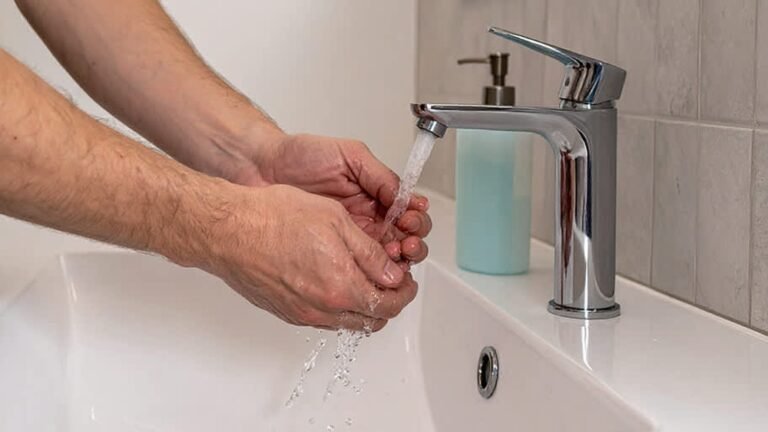
A faucet that turns on with just a wave of your hand might sound futuristic, but it’s already changing how we use water at home and work. Smart faucets are designed to make everyday tasks easier, save water, and add a touch of technology to kitchens and bathrooms. If you’re curious about what makes a faucet “smart,” and how it works, you’re in the right place. This guide will explain the basics, highlight what sets smart faucets apart, and help you decide if they’re worth installing in your own space.
What Is A Smart Faucet?
A smart faucet is a water tap that uses technology to control water flow without the need for manual turning. Instead of twisting a handle, you can use touch sensors, voice commands, or even apps on your phone. These faucets often include features that help conserve water, improve hygiene, and add convenience.
Most smart faucets are powered by batteries, though some connect to an electrical outlet. Many models are designed for easy installation, so you don’t always need a plumber to get started. The main goal of a smart faucet is to give you more control over how you use water, while making the experience more comfortable and efficient.
How Does A Smart Faucet Work?
Smart faucets use a combination of sensors, microcontrollers, and sometimes Wi-Fi or Bluetooth technology. Here’s a simple breakdown of the main components:
- Touchless sensors: Detect motion or the presence of your hand, automatically starting or stopping the water flow.
- Voice assistants: Some models connect to devices like Amazon Alexa or Google Assistant, allowing you to turn the faucet on or off with voice commands.
- Temperature control: Many smart faucets let you set water temperature digitally, reducing the risk of burns or cold shocks.
- Mobile apps: Certain brands offer apps to monitor water usage, set schedules, or control the faucet remotely.
When you trigger the sensor or give a voice command, the microcontroller sends a signal to open or close a valve inside the faucet. This process takes less than a second and helps avoid water waste since the faucet shuts off automatically when not in use.
Key Features Of Smart Faucets
Smart faucets offer more than just hands-free operation. Here are some standout features:
- Automatic shut-off: If you forget to turn off the faucet, it shuts itself off after a set time.
- Custom presets: Set your preferred water temperature and flow rate for different tasks, like washing vegetables or filling a pot.
- Water usage tracking: Some models show how much water you use each day, helping you spot waste and reduce bills.
- Filter reminders: Get alerts when it’s time to change the water filter, keeping your water clean and safe.
Example:
When I tested a smart kitchen faucet, I found the preset function handy, just one touch filled my coffee pot to the exact amount needed, every time.
Smart Faucet Vs. Traditional Faucet
It’s useful to compare a smart faucet with a regular one before making a decision. Below is a table that outlines the main differences:
| Feature | Smart Faucet | Traditional Faucet |
|---|---|---|
| Operation | Touchless, voice, or app | Manual handle |
| Water Conservation | High (auto shut-off, usage tracking) | Depends on user |
| Installation | Moderate (may need batteries/electricity) | Simple |
| Price | Higher | Lower |
Pro Tip: If you often have messy hands in the kitchen, a smart faucet can reduce the spread of germs by letting you turn on water without touching the handle.
Benefits Of Using A Smart Faucet
Switching to a smart faucet offers several advantages:
- Better hygiene: Touchless operation means fewer germs on handles.
- Water savings: Automatic shut-off prevents waste, which can lower your water bill.
- Convenience: Voice and app controls make multitasking easier.
- Accessibility: Easier for children, elderly, or people with limited mobility.
A less obvious benefit is the potential to monitor your water use and spot leaks early. This can help you avoid costly repairs and reduce your environmental footprint.
Common Types Of Smart Faucets
Smart faucets are not all the same. Here’s a look at the main types:
| Type | Main Feature | Best For |
|---|---|---|
| Touchless | Motion sensor activation | Kitchens, bathrooms |
| Voice-activated | Control via Alexa, Google Assistant | Smart homes |
| App-controlled | Remote operation, monitoring | Tech enthusiasts |
Most smart faucets blend two or more of these features, so you can choose the model that fits your routine.

Credit: www.rollingstone.com
What To Consider Before Buying
Not every smart faucet is right for every home. Here’s what matters most:
- Power source: Some need batteries, others plug into an outlet. Check what’s easiest for your setup.
- Compatibility: Make sure the faucet fits your sink and works with your smart home devices.
- Ease of installation: Some models are simple enough to install yourself, while others may need a plumber.
- Warranty and support: Look for brands with strong customer support and good reviews.
One mistake beginners make is ignoring the need for regular maintenance. Smart faucets have more parts than traditional ones, so be ready for basic troubleshooting.
Potential Downsides
While smart faucets are convenient, they’re not perfect:
- Higher cost: Expect to pay more upfront compared to manual faucets.
- Battery replacement: For battery-powered models, plan to change batteries every few months.
- Tech dependence: If there’s a power or Wi-Fi outage, some features might not work.
If you’re renting, check with your landlord before installing, as some models need minor changes to plumbing or cabinets.

Credit: www.chinawuhuang.com
Who Should Get A Smart Faucet?
A smart faucet is a great fit if you want to save water, improve hygiene, or love smart home gadgets. They’re especially useful in busy kitchens, homes with kids, or for anyone who wants a cleaner, more efficient sink area.
For more technical details and history, the Wikipedia page on touchless faucets offers a deeper look at how these devices work.
Frequently Asked Questions
Can A Smart Faucet Be Installed On Any Sink?
Most smart faucets are designed to fit standard sinks, but always check the product’s compatibility. Some sinks may need adapters or minor plumbing changes.
How Long Do The Batteries Last In A Smart Faucet?
Battery life depends on usage and the model. On average, batteries last between six months and two years. Some faucets have low-battery alerts to help you plan replacements.
Is A Smart Faucet Safe For Children And Elderly People?
Yes, smart faucets can be safer for children and seniors. Features like preset water temperature reduce the risk of burns, and touchless operation is easier for those with limited hand strength.
What Happens If The Power Goes Out?
If your faucet uses only batteries, it will keep working as long as the batteries have charge. Models that need Wi-Fi or an outlet may lose some functions during an outage, but most still allow manual use.
Do Smart Faucets Work With Hard Water?
Smart faucets can work with hard water, but buildup on sensors may occur over time. Regular cleaning helps maintain