
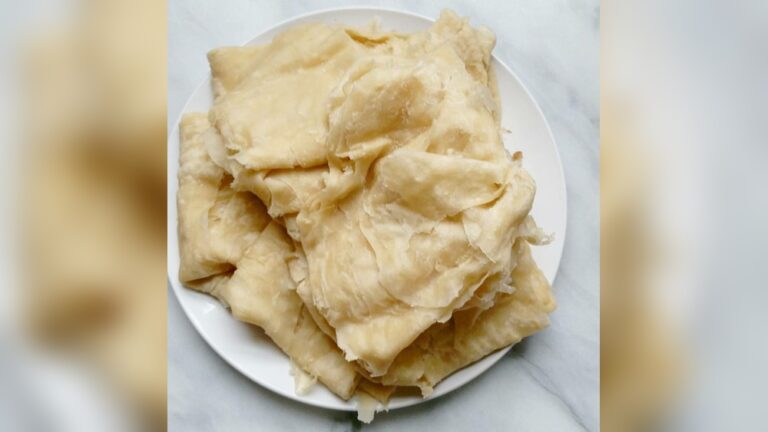
Making Guyanese roti is a tradition in many homes across Guyana and the Caribbean. This flaky, soft flatbread is a staple for meals, often paired with curry or stews. If you want to recreate Guyanese roti, you’ll need patience, simple ingredients, and a few practical tips.
Even if you’re new to cooking, this guide will help you master this classic dish.
What Makes Guyanese Roti Unique?
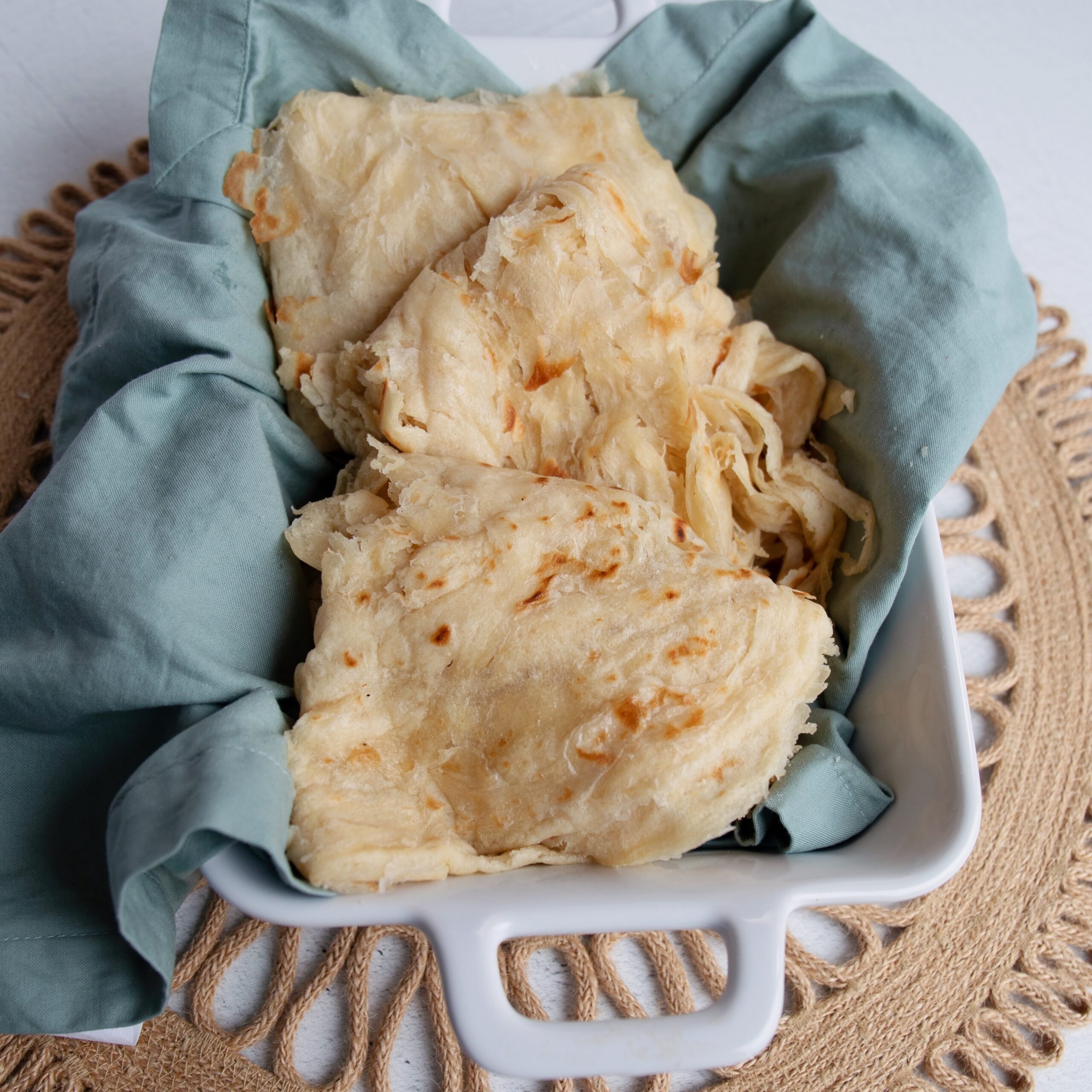
Guyanese roti stands out from other flatbreads because of its texture and method. It’s not the same as Indian roti or naan. Guyanese roti is soft but also has layers that pull apart easily. The secret lies in the way the dough is rolled and oiled.
You’ll find two main types: plain roti (also called sada roti) and oil roti (also called paratha roti). Oil roti is more popular for its buttery, flaky layers.
Here’s a quick comparison of Guyanese roti vs. other flatbreads:
| Flatbread | Main Ingredients | Texture | Popular Region |
|---|---|---|---|
| Guyanese Roti | Flour, oil, water, salt | Soft, layered, flaky | Guyana |
| Indian Roti | Whole wheat flour, water | Soft, thin, non-layered | India |
| Naan | Flour, yogurt, yeast | Chewy, airy | South Asia |
Ingredients And Tools
To make authentic Guyanese roti, you need just a few ingredients. You’ll also need some basic kitchen tools.
Ingredients (for 6 rotis):
- 3 cups all-purpose flour
- 1 teaspoon salt
- 2 tablespoons oil (vegetable or canola)
- 1 cup warm water (approximate)
- Extra oil or butter for brushing
Tools:
- Mixing bowl
- Rolling pin
- Flat pan (tawa or skillet)
- Brush for oil
Tip: Use fresh flour. Old flour can make roti dense.
Credit: metemgee.com
Step-by-step Cooking Instructions
Making roti takes about 60–75 minutes from start to finish. Here’s how to do it:
1. Mixing The Dough:
In a bowl, combine flour and salt. Add oil and mix. Slowly pour in warm water, stirring until the dough comes together. The dough should be soft but not sticky.
2. Kneading:
Knead the dough for 8–10 minutes. This develops gluten for a soft texture. Cover with a damp cloth and let it rest for 30 minutes.
3. Dividing And Shaping:
Divide the dough into 6 equal balls. Flatten each ball slightly.
4. Rolling And Oiling:
Roll each ball into a flat circle (about 7–8 inches). Brush with oil, then fold the dough (like a letter) and roll again to form a ball. This step creates layers.
5. Cooking:
Heat your pan over medium-high heat. Roll the oiled dough out again into a circle. Place it on the hot pan. Cook for 1–2 minutes per side, brushing lightly with oil. Flip until golden spots appear.
6. Clapping:
Right after cooking, clap the roti between your hands, or gently crush it to loosen the layers. This is what gives roti its signature flakiness.
7. Serving:
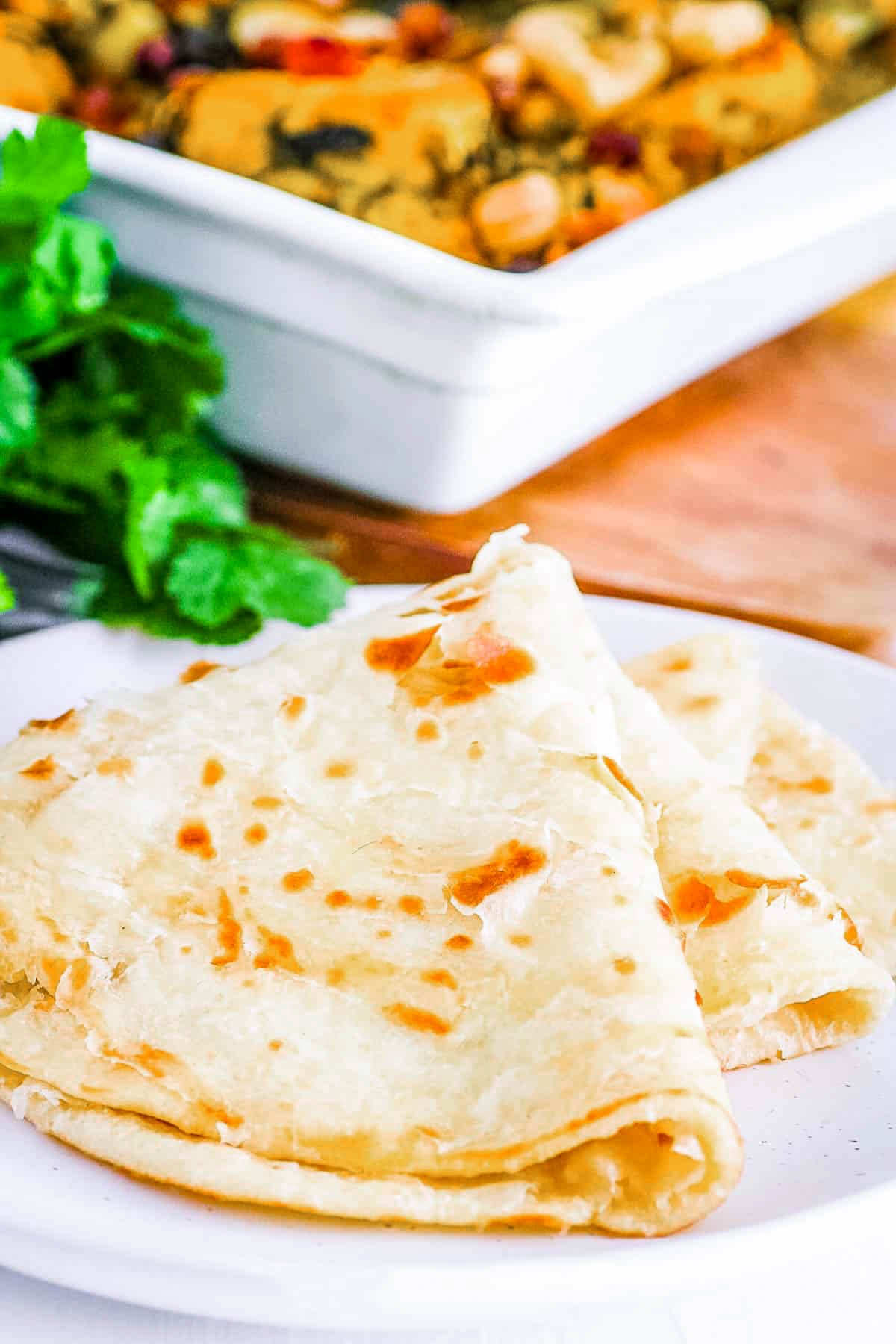
Serve warm with curry, stews, or butter.
Serving size: One batch serves 4–6 people.
Practical Tips For Perfect Roti
- Use warm water for mixing. Cold water can make the dough tough.
- Resting the dough is key. Don’t skip this step.
- Don’t overcook. Roti should be soft, not crispy.
- For extra flavor, use ghee instead of oil.
- Practice the “clap” technique. It’s tricky but important for texture.
Many beginners forget to rest the dough. This simple step makes a huge difference in softness.
Credit: pickyeaterblog.com
Common Mistakes Beginners Make
Even experienced cooks can make mistakes. Here are two non-obvious issues:
1. Dough Too Dry:
If your dough cracks while rolling, it’s too dry. Add a few drops of water and knead again.
2. Skipping Oiling Steps:
Some skip brushing oil before folding. This causes the roti to lose its layers and turn out flat.
Here’s a quick table to help troubleshoot:
| Problem | Cause | Solution |
|---|---|---|
| Dry, dense roti | Dough not rested or dry | Let dough rest and add water |
| No layers | Skipped oiling/folding | Brush oil and fold properly |
| Sticky dough | Too much water | Add more flour |
Guyanese Roti In Everyday Life
Roti is more than food—it’s part of Guyanese culture. Families often cook roti daily, especially for breakfast or dinner. It’s usually paired with chicken curry, potato stew, or chana (chickpeas).
According to surveys, over 80% of Guyanese households eat roti at least once a week. The dish is also popular in Guyanese communities abroad.
For more about Guyanese cuisine and culture, you can read this Wikipedia article.

Credit: weeatatlast.com
Frequently Asked Questions
How Long Does Roti Last After Cooking?
Roti is best enjoyed fresh. If stored in an airtight container, it stays soft for up to 24 hours. After that, it becomes dry and tough.
Can I Freeze Guyanese Roti?
Yes, you can freeze cooked roti. Let it cool, wrap it in foil or plastic, and freeze. When ready to eat, reheat in a pan or microwave. It keeps for 1–2 months in the freezer.
Is Guyanese Roti Gluten-free?
No, traditional roti uses wheat flour, which contains gluten. For a gluten-free version, try using rice flour or a gluten-free blend, but the texture will be different.
What Can I Serve With Roti?
Roti goes well with curries, stews, and chutneys. Popular pairings include chicken curry, potato curry, and chana (chickpeas).
Why Is My Roti Not Soft?
This usually happens if the dough wasn’t kneaded enough or rested properly. Also, cooking on high heat can make roti hard. Knead well, rest, and cook on moderate heat for the best results.
Making Guyanese roti is about practice and patience. The first few tries may not be perfect, but with these steps and tips, you’ll soon master this delicious flatbread. Enjoy roti as part of a meal, or simply with butter—it’s always a comfort food in Guyanese homes.