
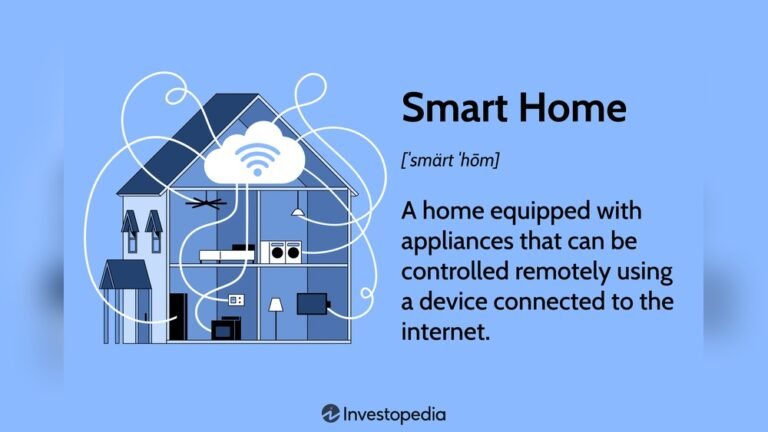
Smart kitchen appliances are everywhere today. From fridges that track groceries to ovens you control with your phone, many people see these devices as the future. They promise convenience, efficiency, and even help with healthy cooking. But behind the shiny screens and helpful apps, there are real downsides. If you’re thinking about upgrading your kitchen, it’s important to understand the disadvantages of smart kitchen appliances before you buy.
High Cost And Limited Value
Smart kitchen appliances usually cost much more than traditional models. For example, a smart refrigerator can be two to three times the price of a basic one. The extra features—like touch screens, cameras, and Wi-Fi—drive up the price but don’t always add practical value.
Many users report using only basic functions after the excitement fades.
Here’s a quick price comparison:
| Appliance | Traditional Model | Smart Model |
|---|---|---|
| Refrigerator | $800 | $2,400 |
| Oven | $600 | $1,800 |
| Coffee Maker | $100 | $350 |
If you’re on a budget, the price difference can be hard to justify, especially when basic models work just as well for most tasks.
Privacy And Security Risks
Smart appliances connect to the internet, which creates privacy concerns. Your fridge may track what you eat. Your oven may collect data on cooking habits. Hackers can target these devices to steal personal information or even control them remotely.
A study in 2026 found that over 40% of smart kitchen appliances had security flaws. These vulnerabilities can expose your home network or allow someone to access your device from outside. Even trusted brands have faced issues, sometimes requiring updates to fix security holes.
| Device | Common Data Collected | Potential Risk |
|---|---|---|
| Smart Fridge | Food inventory, usage patterns | Privacy invasion |
| Smart Oven | Cooking times, recipes | Remote control vulnerability |
| Smart Coffee Maker | Brewing schedules | Network access risk |
Most buyers overlook these risks. It’s wise to check security features and change default passwords, but even then, full protection is not guaranteed.

Credit: www.broadbandsearch.net
Reliability And Technical Issues
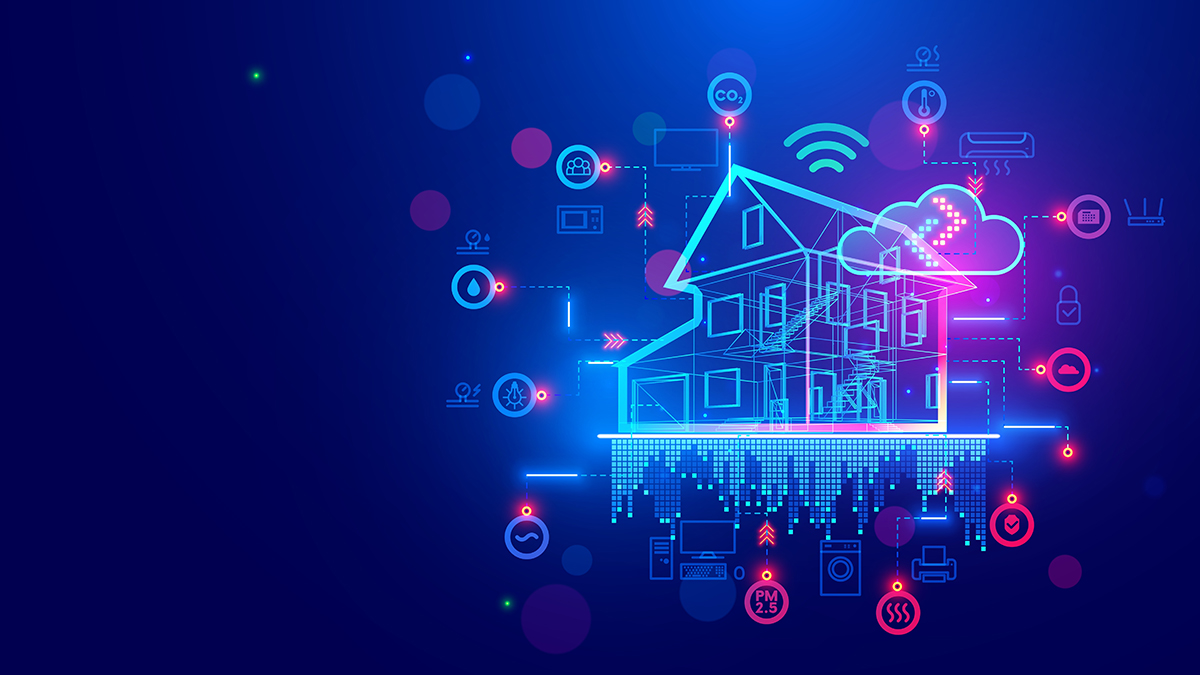
Smart kitchen appliances depend on software and internet connections. If the Wi-Fi goes down, many functions stop working. Software bugs can cause devices to freeze or ignore commands. Some appliances become useless if the manufacturer ends support or stops updating apps.
For example, a smart oven may require a cloud connection to schedule cooking. If the company shuts down their cloud service, your oven loses key features. This problem is called planned obsolescence—devices become outdated sooner because they rely on technology that changes quickly.
Common reliability issues include:
- Devices failing after software updates
- Touch screens breaking, making controls unusable
- Compatibility problems with new phones or apps
- Delays or errors in voice command responses
Traditional appliances rarely face these problems. They work as long as their mechanical parts function.
Difficult Repairs And Shorter Lifespan
Smart kitchen appliances are harder to fix. Repairing them often needs special parts or software tools. Local technicians may not have the skills or access to repair them, so you must call authorized service centers—which can be expensive and slow.
Here’s a comparison of repair factors:
| Aspect | Traditional Appliances | Smart Appliances |
|---|---|---|
| Repair cost | Low to moderate | High |
| Parts availability | Common | Often limited |
| Repair skill | Basic technician | Specialized technician |
Smart appliances also tend to have a shorter lifespan. When the software is no longer supported, the device may stop working even if the hardware is fine. Some brands only offer updates for a few years, after which your appliance can become “outdated.”
Credit: www.yesss.je
Complicated Setup And Learning Curve
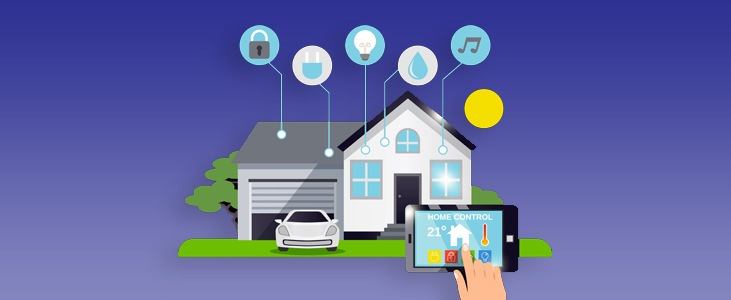
Many smart kitchen appliances require complex setup. You need to install apps, connect to Wi-Fi, and sometimes create accounts. For non-tech-savvy users, this can be confusing and frustrating. If you make mistakes during setup, the device may not work as intended.
Using advanced features like remote control, recipe suggestions, or integration with other smart devices involves learning new steps. Older adults or busy families may find the extra complexity unnecessary. Some people end up using only the basic functions, ignoring the “smart” capabilities.
Environmental Impact
Smart appliances have a bigger environmental footprint. They use more materials, like screens and electronic chips, which require mining and manufacturing. When these devices break, their e-waste is harder to recycle. Many parts contain hazardous substances that pollute the environment if not disposed of properly.
According to the EPA, electronic waste is one of the fastest-growing pollution sources worldwide. Smart kitchen appliances add to this problem, especially when they become obsolete quickly.
Credit: pvsbuilders.com
Non-obvious Insights
Most buyers don’t realize that:
- Smart features can stop working if your internet provider changes security settings or if your home router updates.
- Some appliances need regular software updates to stay secure, but many people forget or don’t know how to do this. This opens the door to security risks and lost functions.
Frequently Asked Questions
What Happens If My Smart Kitchen Appliance Loses Internet Connection?
Most devices will still work for basic functions, but smart features—like remote control or recipe suggestions—will stop. Some appliances may not even turn on without a connection.
Are Smart Kitchen Appliances Harder To Repair Than Regular Ones?
Yes, smart appliances need special parts and trained technicians. Repairs cost more and take longer. Sometimes, if software fails, fixing is impossible without company support.
Do Smart Kitchen Appliances Use More Electricity?
Some smart appliances use extra energy for screens, sensors, or staying connected. However, many are designed to be efficient. It depends on the model and how you use it.
Can Hackers Really Control My Smart Kitchen Appliances?
It’s possible. Security flaws can let hackers access devices remotely. Risks include privacy invasion or even turning appliances on or off. Always update software and use strong passwords.
Is Buying A Smart Kitchen Appliance A Good Investment?
For most people, smart appliances offer convenience but not always lasting value. High prices, repair issues, and security risks make them less appealing unless you truly need advanced features.
Smart kitchen appliances are exciting, but their disadvantages are real. High costs, privacy risks, reliability issues, and environmental impacts can outweigh the benefits for many users. If you’re considering a purchase, weigh these factors carefully. Sometimes, sticking with reliable, traditional appliances is the smarter choice. For more details on smart appliance security, you can read this Wikipedia article.