
Smart faucets are becoming more popular in modern kitchens and bathrooms. They promise touchless control, water savings, and a high-tech look. But before you buy one, it’s important to know: do smart faucets work without electricity? If you’re worried about power outages or want a faucet that’s always reliable, this question matters. Let’s explore how smart faucets operate, what happens during a blackout, and what you should consider before making a purchase.
How Smart Faucets Work
Smart faucets use sensors, solenoids, and electronic controls to turn water on and off without touching the handle. Most models require a power source to run these components.
The main parts include:
- Infrared or capacitive sensors to detect your hand.
- Solenoid valve that opens or closes the water flow.
- Control unit to manage signals and timing.
Some smart faucets also have features like temperature presets, timers, or voice control. These advanced functions rely on a steady power supply.
Power Sources For Smart Faucets
There are two main ways smart faucets get power:
- Batteries: Many smart faucets use AA or AAA batteries, or sometimes a small lithium pack. These last from 6 months to 2 years, depending on usage and features.
- AC Adapter (Plug-in): Some models plug directly into a wall outlet for constant power.
Here’s a side-by-side look at the two main power options:
| Power Source | Pros | Cons |
|---|---|---|
| Batteries | Easy to install Works during power outages |
Need replacement May lose power unexpectedly |
| AC Adapter | No battery changes Consistent performance |
Stops working during outages Requires nearby outlet |
Pro Tip: Always check the power requirements before buying. Some faucets allow both options, giving you more flexibility.
Credit: thegentlemenpros.com
What Happens During A Power Outage?
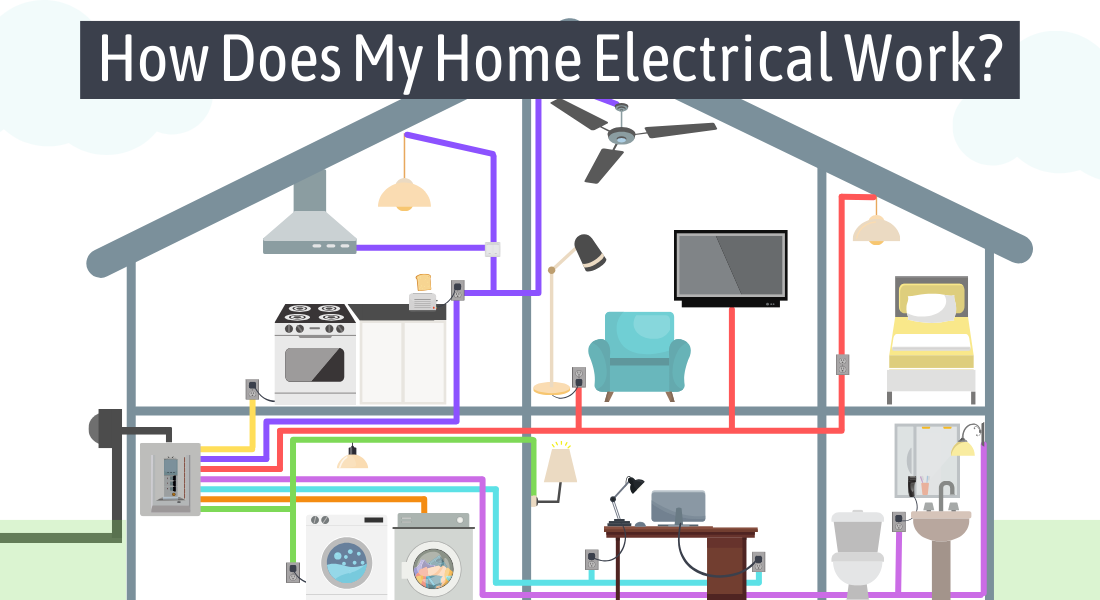
If your smart faucet is powered by an AC adapter only, it will stop working if the electricity goes out. The electronic parts can’t function, so the sensor and solenoid won’t open the valve. In most cases, you won’t get water from the faucet until power returns.
With battery-powered models, your smart faucet keeps working during blackouts, unless the batteries die. This is a big advantage in areas with unreliable electricity.
Some high-end smart faucets offer a manual override. This means you can use the faucet like a regular tap, even if the power or batteries fail.
Here’s a quick comparison of different smart faucet types during an outage:
| Faucet Type | Works During Outage? | Notes |
|---|---|---|
| Battery Only | Yes | As long as batteries have charge |
| AC Only | No | Will not function without power |
| AC + Battery Backup | Yes | Switches to battery during outages |
| Manual Override | Yes | Can operate as a standard faucet |
Manual Override: The Key Feature For Reliability
Not all smart faucets offer manual override. This feature lets you turn the water on and off by hand if the electronics fail. If you live in an area with frequent power cuts, or you just want peace of mind, look for this function.
Example: Moen’s MotionSense line includes models with a manual handle, so you can use the faucet normally if the power goes out.
Warning: Some budget smart faucets do not have manual override. In my experience, these models can be frustrating if you lose power or the batteries run out.
Credit: lifetips.alibaba.com
Common Myths About Smart Faucets And Electricity
Some people think all smart faucets stop working without electricity. This is not always true.
- Myth: Smart faucets are useless during a power outage.
- Fact: Battery-powered or manual override models keep working.
- Myth: Only expensive smart faucets have backup options.
- Fact: Some mid-range models include battery backup or a manual handle.
- Myth: Changing batteries is a hassle.
- Fact: Most faucets only need new batteries once or twice a year.
Practical Insights Most Buyers Miss
Many first-time buyers overlook these important points:
- Sensor Range and Sensitivity: Not all sensors are equally reliable. If the sensor is weak, it may not detect hands well, wasting both power and water.
- Battery Access: Some faucets put the battery box under the sink, which can be hard to reach. Make sure you can easily replace batteries when needed.
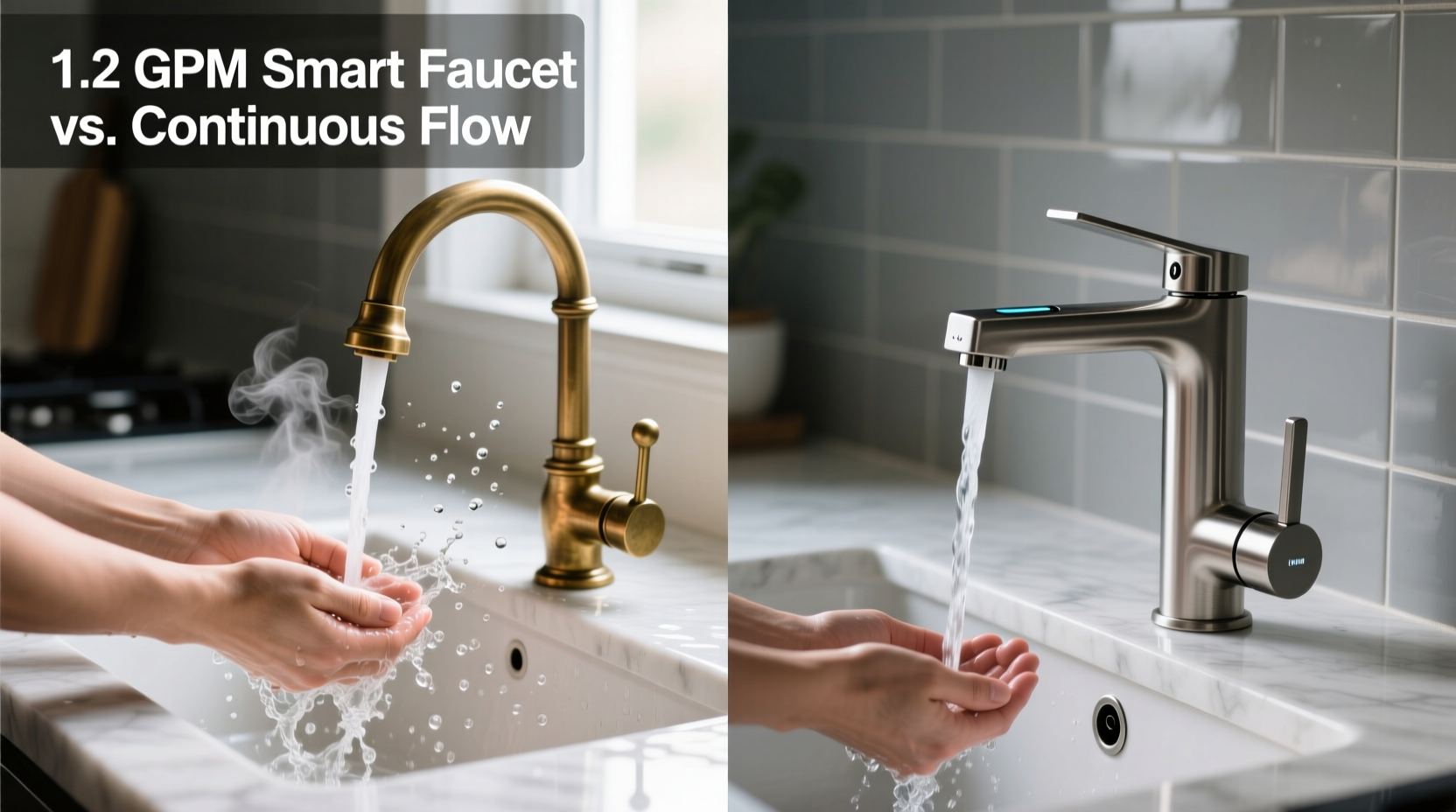
- Water Pressure Impact: Smart faucets sometimes restrict water flow a little more than manual ones. If your home has low water pressure, check the specs before buying.
- Firmware Updates: Some advanced models require firmware updates via Wi-Fi. Without power, these features are unavailable, but basic water flow may still work if there’s a manual override.
:strip_icc()/bhg-moen-haelyn-motionsense-wave-touchless-pull-down-faucet-ella-field-1-0c27be36343e4532b113a0be0e621371.jpeg)
Credit: www.bhg.com
Is A Smart Faucet Right For You?
Smart faucets are convenient and hygienic, but their reliance on electricity is a real concern for some households. If you want full reliability:
- Choose a model with battery backup or manual override.
- Check how easy it is to change batteries.
- Read reviews about sensor reliability.
If your home often loses power, avoid models that rely only on AC power. A smart faucet should not make your life harder.
Frequently Asked Questions
Can I Install A Smart Faucet Myself?
Yes, most smart faucets are designed for DIY installation. You’ll need basic plumbing skills and tools. Always follow the manufacturer’s instructions. If your model uses an AC adapter, make sure there’s a nearby outlet.
How Long Do Batteries Last In A Smart Faucet?
Battery life varies by model and usage. Most faucets using AA batteries last 6 months to 2 years. Frequent use, high sensor sensitivity, and extra features like lights or displays can shorten battery life. Always use high-quality batteries.
Will Water Quality Affect Smart Faucet Sensors?
Yes, mineral buildup or dirty water can affect sensor performance. Clean the sensor area regularly with a soft cloth. Hard water can also clog the faucet’s aerator, so periodic cleaning helps maintain function.
Are There Any Smart Faucets That Use Solar Power?
A few commercial models use small solar panels to extend battery life, but these are rare in home use. Most home smart faucets rely on batteries or AC power. Solar models are more common in public restrooms.
Where Can I Find Reliable Reviews Of Smart Faucets?
For unbiased reviews and detailed comparisons, check reputable sites such as Consumer Reports. They test smart faucets for durability, ease of use, and performance.
Smart faucets can make life easier, but only if you choose the right model for your needs. With the right power setup and features, you won’t have to worry about losing access to water, even if the lights go out.