
Are Smart Kitchen Appliances Worth It
Every year, more homes are adding smart kitchen appliances—from fridges that tell you when food expires, to ovens you control from your phone. These devices promise to make cooking easier, save time, and even lower energy bills. But are they really worth the investment? Let’s look at the facts, real-life examples, and a few things most buyers don’t notice at first.
What Makes A Kitchen Appliance “smart”?
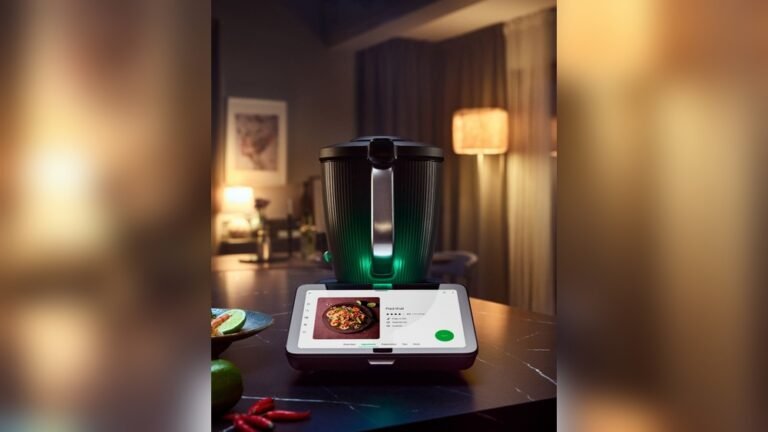
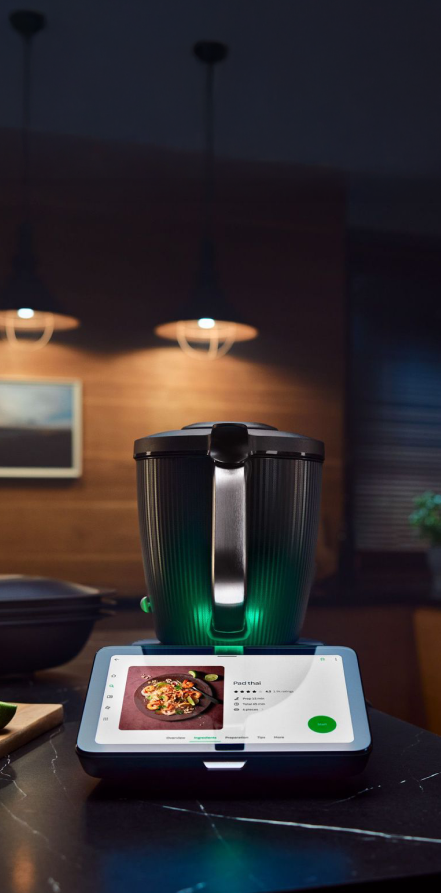
A smart kitchen appliance connects to the internet or your phone. It can give alerts, follow voice commands, or be controlled remotely. Examples include smart refrigerators, ovens, coffee makers, and dishwashers.
These devices often have extra features like:
- Remote monitoring and control (using an app)
- Voice assistant integration (like Alexa or Google Assistant)
- Automatic updates and self-diagnosis
- Food tracking and recipe suggestions
But do these features really change how you cook or manage your kitchen?
Main Benefits Of Smart Kitchen Appliances
1. Convenience And Automation
Imagine you’re stuck in traffic and want dinner ready when you arrive. With a smart oven, you can preheat it from your phone. Some smart coffee makers brew your morning cup on schedule, while smart fridges send reminders for grocery shopping.
2. Energy Efficiency
Many smart appliances use less power. For example, smart dishwashers run at off-peak times to save on electricity costs. Some models track water and energy use, helping you adjust habits.
3. Improved Food Management
Smart fridges can scan barcodes, track expiry dates, and suggest recipes with what you have. This can help reduce food waste. If you often throw out forgotten leftovers, a smart fridge might save you money.
4. Safety And Maintenance
Smart stovetops turn off automatically if you forget. Some ovens send alerts if you leave them on too long. These features lower the risk of kitchen accidents.

Credit: rotimatic.com
Common Drawbacks To Consider
While smart appliances sound great, there are downsides. Here’s where many new buyers get surprised:
1. High Upfront Cost
Smart appliances usually cost 20-40% more than regular models. Some features may not justify the price if you only cook simple meals.
2. Compatibility And Updates
Not all devices work with every smart home system. If you have an Android phone, but your oven only works with Apple, you’ll run into problems. Software updates can also stop, making your device less useful after a few years.
3. Privacy And Security
These appliances collect data about your habits. If hacked, someone could access your schedule or even control your appliances. Always check privacy policies and update software regularly.
4. Repair And Support
Smart appliances can be harder and more expensive to repair. If a screen or Wi-Fi module fails, fixing it costs more than a simple button or dial.
Comparing Smart Vs. Traditional Kitchen Appliances
To see if smart appliances are worth it, compare them with regular options. Here’s a quick look:
| Feature | Smart Appliance | Traditional Appliance |
|---|---|---|
| Remote Control | Yes (via app/voice) | No |
| Energy Tracking | Often included | Rarely included |
| Initial Cost | Higher | Lower |
| Repair Complexity | More complex | Simpler |
| Updates | Yes (software) | No |
Cost Analysis: Do You Really Save Money?
Many buyers hope smart appliances will pay for themselves through energy savings or less food waste. Here’s an example with a smart refrigerator:
| Item | Smart Fridge | Standard Fridge |
|---|---|---|
| Purchase Price | $2,000 | $1,400 |
| Estimated Yearly Energy Cost | $60 | $75 |
| Food Waste Savings/Year | $120 | $60 |
| 5-Year Cost (with savings) | $2,000 + ($60 × 5) – ($120 × 5) = $1,700 | $1,400 + ($75 × 5) – ($60 × 5) = $1,575 |
So, even with savings, the smart fridge costs a bit more over five years. However, if you value convenience or love tech, the extra may feel worthwhile.
Who Should Buy Smart Kitchen Appliances?
Smart appliances fit best for:
- Busy families who want to automate routines
- Tech lovers who enjoy gadgets and new features
- People who cook often and want more control
If you rarely cook or just want something simple, traditional appliances might be better. For renters or those who move often, the investment may not pay off.
Credit: www.thermomix.com
Hidden Insights Most People Miss
- Resale value: Smart appliances can boost home value, but only if they’re in good working order and not outdated. If the brand stops updates, the “smart” features might not last.
- Inter-device communication: Some smart devices work together, like a fridge suggesting oven settings for a recipe. But this only works if you buy from the same brand or ecosystem—mixing brands can limit features.
Practical Tips For First-time Buyers
- Always check if the appliance works with your existing devices (phone, Wi-Fi, smart speakers).
- Read reviews about app reliability—some apps are buggy or lack updates.
- Prioritize features you’ll actually use. Don’t pay extra for things you’ll ignore.
- Consider warranty and support. Smart components may need special service.
For more details on smart home technology, the Wikipedia smart device page is a reliable resource.

Credit: cosmoappliances.com
Frequently Asked Questions
Can Smart Kitchen Appliances Work Without Wi-fi?
Most can function as normal appliances if Wi-Fi is down, but you’ll lose remote features and updates until connection returns.
Do Smart Appliances Use More Electricity?
Generally, they’re designed to be more energy efficient, not less. The added electronics use a tiny amount of power, but overall savings come from smart scheduling and tracking.
Are Smart Kitchen Appliances Hard To Install?
Many are “plug and play” like traditional appliances. However, setting up apps and Wi-Fi sometimes requires patience, especially for less tech-savvy users.
How Long Do Smart Kitchen Appliances Last?
The hardware lasts as long as regular appliances (often 10–15 years), but software support may end sooner. After that, smart features may stop working, but basic functions remain.
What Happens If The Smart Features Break?
If a smart feature fails but the main appliance works, you can usually still use it as a regular appliance. Repairing smart parts can be more costly and may need a specialist.
Smart kitchen appliances offer real advantages, especially for busy or tech-loving households. But they aren’t the best fit for everyone. Weigh the convenience and features against the higher cost and possible complications. If you choose carefully and use the features, smart appliances can be a valuable upgrade to your kitchen.