
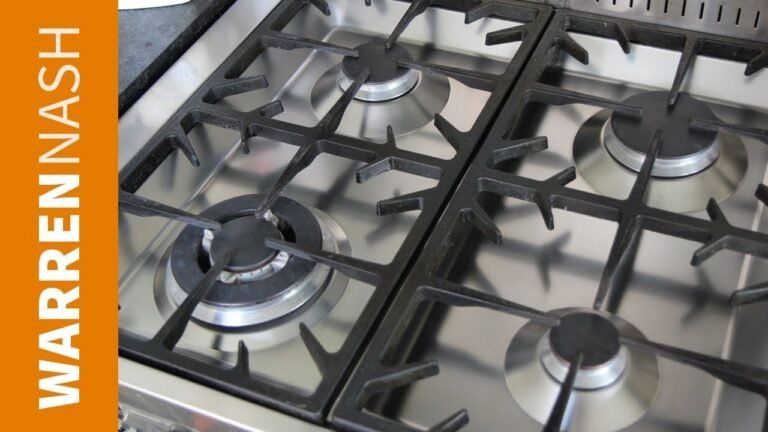
Turn off gas, remove parts, soak, scrub, rinse, dry, and reassemble.
If you want a spotless kitchen, learning how to clean gas stove top is a must. I’ve cleaned dozens of ranges in busy homes and rentals, and I’ll show you the safest, fastest way. This guide breaks down how to clean gas stove top with pro tips, gentle methods, and deep-clean tricks that work on any finish.
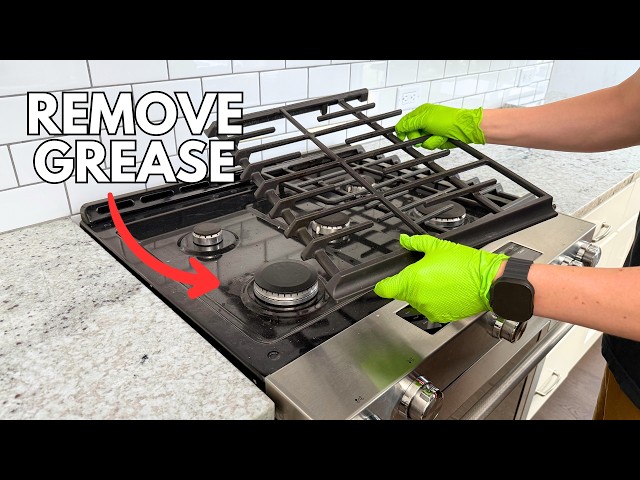
Tools and Materials You’ll Need
Gather your gear first. This makes the job smooth and safe.
- Microfiber cloths for wiping and drying
- Non-scratch sponges and a soft brush or old toothbrush
- Baking soda for a gentle scrub
- White vinegar or a pH-balanced degreaser
- Dish soap that cuts grease
- Plastic scraper for stuck spots
- Paper clips to clear burner ports (not toothpicks)
- Cotton swabs for tiny areas
- Warm water in a basin or sink
- Gloves and good airflow for comfort and safety
Pro tip: Check your manual for finish-specific notes. Many brands warn against abrasive powders on aluminum parts.

Safety First: Prep Your Kitchen and Stove
Safety sets you up for success. A stable stove is easier to clean and keeps you safe.
- Turn off all burners and let the stove cool.
- If your model has power to the igniters, unplug it during cleaning.
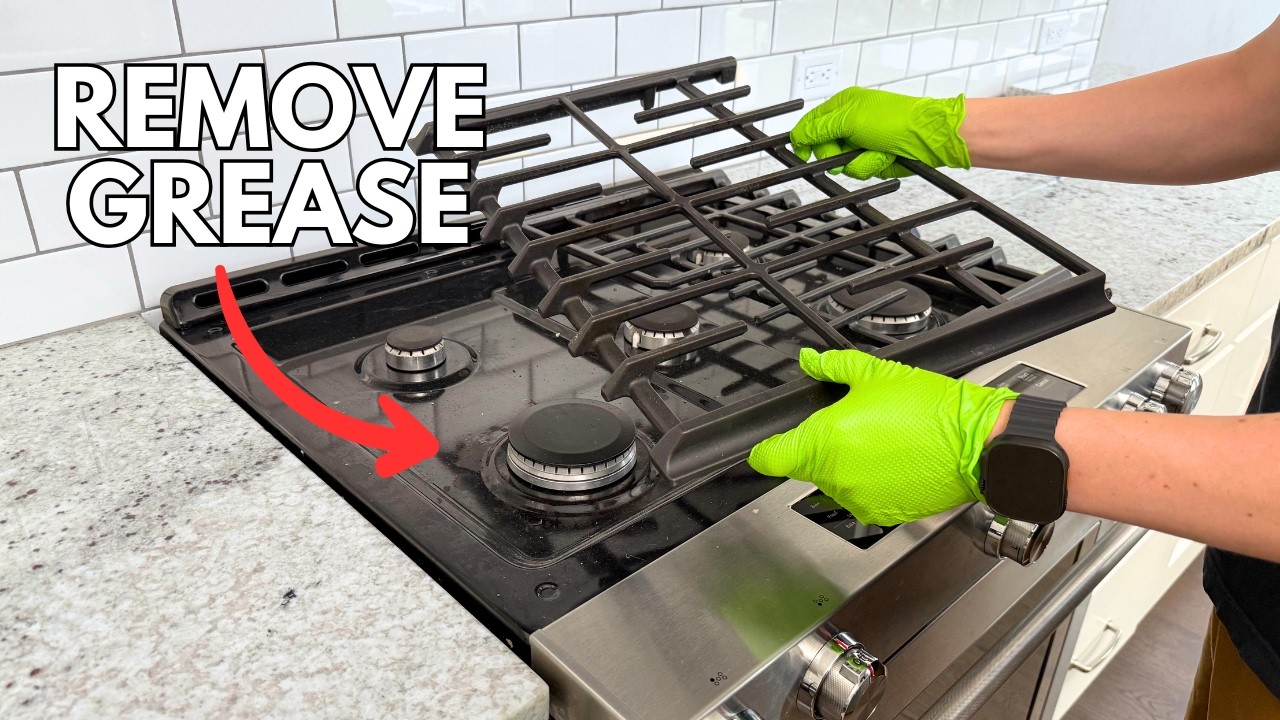
- Remove grates, burner caps, and knobs gently.
- Keep water and cleaners away from the gas valve openings and igniters.
- Ventilate the room. Open a window or run a fan.
Always avoid mixing chemicals. Never mix bleach and ammonia.

Step-by-Step: How to Clean Gas Stove Top the Right Way
Follow this process when you ask how to clean gas stove top in a simple way.
- Disassemble the top. Lift off grates, caps, and knobs. Set aside.
- Soak grates and caps. Use warm water and a few drops of dish soap for 15–30 minutes.
- Degrease the surface. Spray vinegar or a safe degreaser on the stovetop. Let it sit 3–5 minutes.
- Scrub gently. Use a non-scratch sponge. For stuck spots, use a baking soda paste.
- Detail the burners. Wipe the burner heads. Use a paper clip to clear clogged port holes.
- Clean igniters with care. Use a dry brush or cotton swab. Avoid soaking the igniter or base.
- Rinse and dry. Wipe with a damp cloth, then dry with microfiber to prevent streaks.
- Wash and dry grates and caps. Dry well to prevent rust. A quick warm oven dry works fast.
- Reassemble. Align burner caps and place grates back.
- Test the flame. You want a steady blue flame. Yellow tips mean a port may still be clogged.
I learned to keep a small bowl for screws or clips when working in rentals. It saves time and stress during reassembly.
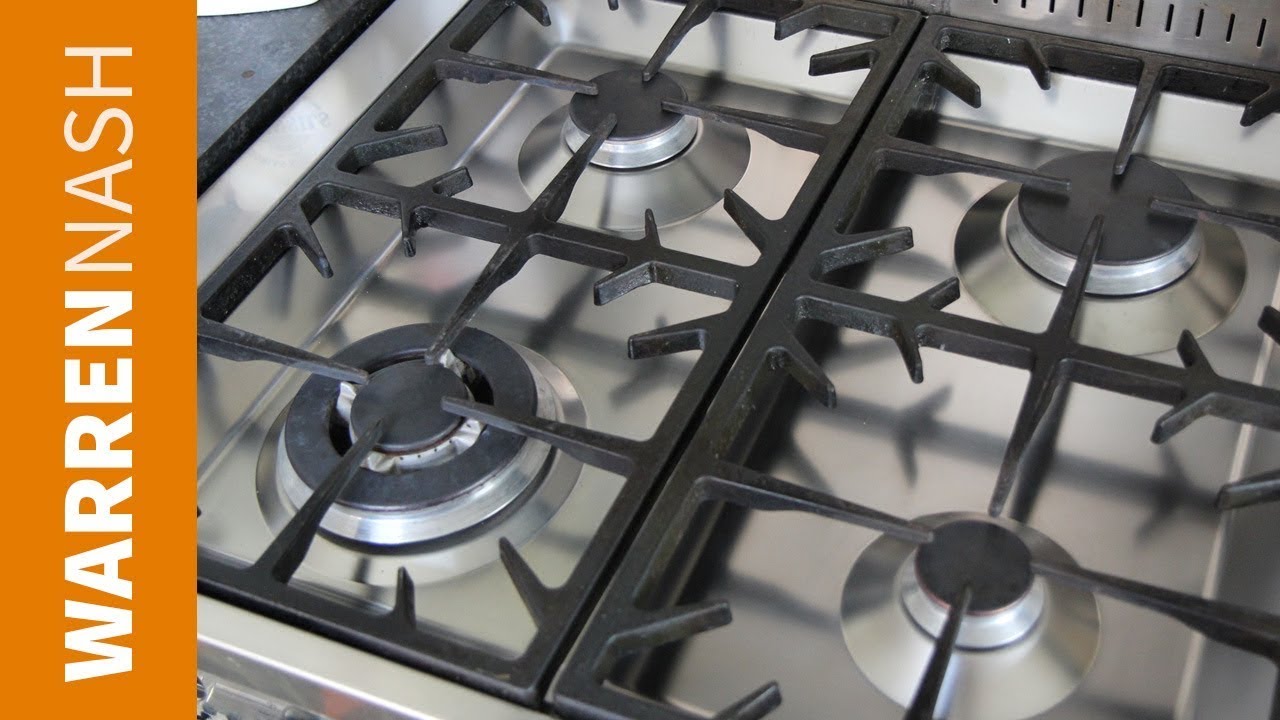
Deep-Clean Methods for Tough Grease and Burnt-On Gunk
Some messes laugh at a quick wipe. Here is how to clean gas stove top when grease is stubborn.
- Baking soda paste: Mix 3 parts baking soda with 1 part water. Spread, wait 15 minutes, then scrub.
- Vinegar lift: Spray vinegar over the paste. It will fizz and loosen grime.
- Plastic scraper: Hold it at a low angle to lift stuck food without scratching.
- Ammonia bag for grates: Place grates in a sealed bag with a small ammonia splash. Leave outside overnight, then rinse well and dry. Never mix ammonia with bleach and ventilate well.
- Enzyme degreaser: Enzymes break down cooked-on fats. Check that it is safe for your finish.
Test on a small spot first. Some enamel and aluminum parts can stain with strong cleaners.
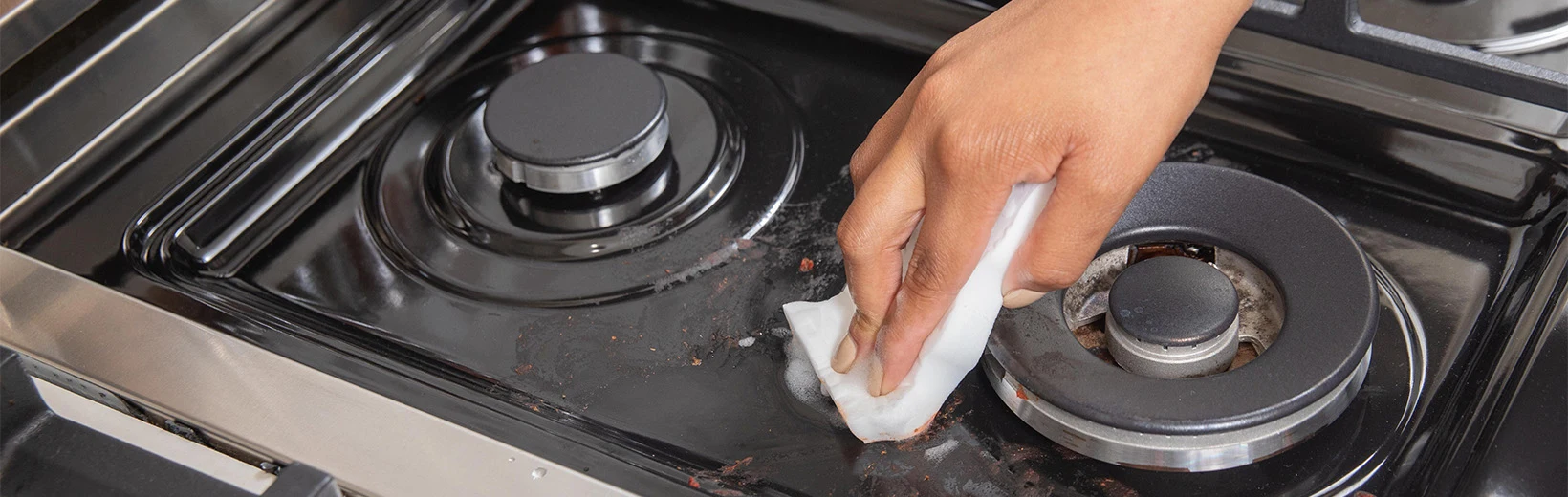
Cleaning Different Stove Top Finishes
Not all finishes like the same treatment. Match method to material.
- Stainless steel: Wipe with the grain. Use a mild degreaser or diluted dish soap. Rinse and dry to avoid water spots.
- Porcelain enamel: Use baking soda paste and a soft sponge. Avoid steel wool. Chips can rust, so dry well.
- Glass or ceramic trim: Use vinegar and a microfiber cloth. Use a plastic scraper for burnt rings.
When learning how to clean gas stove top, the finish guides your cleaner choice. Gentle beats harsh most days.
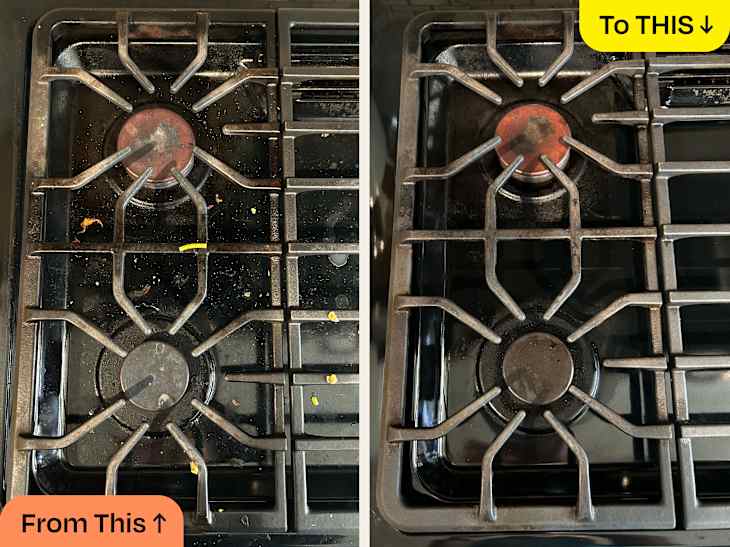
Care for Burners, Igniters, and Gas Flow
Good flame needs clean ports and a healthy igniter.
- Burner ports: Use a straightened paper clip to clear holes. Do not use wood. It can break off inside.
- Igniter: Brush with a dry toothbrush. Keep it dry. Liquids can crack or short the ceramic.
- Burner alignment: Seat caps flat. If off-center, flames will be uneven or yellow.
- Test flame: Blue and even is ideal. If weak, recheck for blockages and dry parts again.
These steps come from common manufacturer guides and years of servicing rentals. Small details change performance fast.
Odor and Bacteria Control: Natural vs Chemical Cleaners
You can keep it fresh with simple items.
- Vinegar cuts grease and neutralizes odors. It is safe on most surfaces.
- Dish soap lifts oils and food soil.
- Baking soda deodorizes and adds mild scrub power.
- For heavy grease, a quality degreaser saves time. Use it sparingly and rinse well.
How to clean gas stove top without harsh smells? Start with vinegar and baking soda, and only step up if needed.
Quick Daily and Weekly Routines
Consistency beats marathon scrubs.
Daily
- Wipe spills after cooking. Warm residue lifts fast.
- Do a 60-second spray-and-wipe after dinner.
Weekly
- Remove grates and caps for a soap soak.
- Detail burner ports and wipe igniters.
- Polish stainless with a damp cloth and dry buff.
If you stick to this, how to clean gas stove top becomes a five-minute job most days.
Mistakes to Avoid and Pro Tips from Experience
I have made all the mistakes so you do not have to.
- Do not soak burner bases. Water in valves causes slow lights and clicks.
- Do not use oven cleaner on bare aluminum. It can darken the metal.
- Do not scrape with metal blades on enamel or glass. Use plastic only.
- Dry everything. Water left on grates can cause rust spots.
Pro tip: Rub a drop of cooking oil onto dry cast-iron grates after washing. Heat them for 10 minutes to season and block rust.
Eco- and Budget-Friendly Options
You can clean well and cut waste.
- Use refillable spray bottles with diluted dish soap or vinegar.
- Choose washable microfiber over paper towels.
- Baking soda is cheap and powerful. Buy in bulk.
- Heat helps. Warm water and warm surfaces loosen grease fast.
These swaps make how to clean gas stove top cheaper, greener, and just as effective.
Troubleshooting Stains, Rust, and Discoloration
Not every mark is the same.
- Rainbow tint on stainless: Heat tint is normal. Use a stainless-safe cleaner and buff with the grain.
- Rust on grates: Scrub with baking soda paste, dry, then season with a thin oil layer.
- White film: Hard water. Wipe with vinegar, then dry.
- Yellow flames: Clogged ports or misaligned caps. Clean and reseat parts.
If problems stay, check your manual or contact support. Gas safety comes first.
Frequently Asked Questions of how to clean gas stove top
How often should I deep-clean my gas stove top?
Do a light clean after each use and a deep clean every one to two weeks. If you cook daily, aim for weekly deep cleans.
Can I use vinegar on all parts of the stove?
Vinegar is safe on most tops and grates. Avoid soaking igniters or letting vinegar sit on aluminum for long.
What is the fastest way to cut grease on a busy night?
Spray a 1:1 mix of vinegar and water, wait two minutes, then wipe with microfiber. Follow with a dab of dish soap on a sponge for stubborn spots.
How do I clean burner holes without damage?
Use a straightened paper clip and a gentle touch. Avoid wood or toothpicks, which can snap and block the port.
Why is my flame yellow after cleaning?
A yellow flame means a blocked port or misaligned cap. Dry all parts well, clear ports, and reseat the cap until it sits flat.
Is the ammonia bag method safe for grates?
Yes, when used outside or in a well-ventilated area and never mixed with bleach. Rinse and dry grates fully before use.
How to clean gas stove top without chemicals?
Use baking soda paste and hot water, then rinse with vinegar. Dry with microfiber for a streak-free finish.
Conclusion
A clean range cooks better, smells fresher, and looks great. Now you know how to clean gas stove top step by step, from safe prep to deep-clean methods that lift the worst grime. Start with simple tools, stay gentle, and build a short routine that fits your life.
Try this system tonight after dinner. Share your favorite tip or question in the comments, and subscribe for more quick, practical kitchen care guides.