
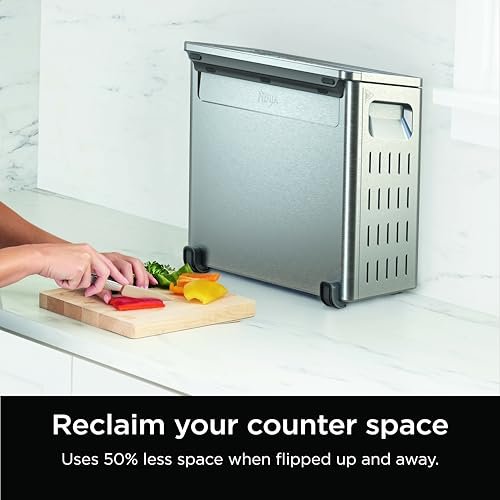
The primary difference between a conventional oven and a convection oven lies in how they distribute heat. While both use internal heating elements, the convection oven introduces a high-speed fan and exhaust system to circulate hot air.
Key Comparison at a Glance
| Feature | Conventional Oven | Convection Oven |
| Heat Source | Radiant (top/bottom) | Fan-circulated airflow |
| Cooking Speed | Standard | 25% Faster |
| Heat Consistency | Prone to “hot spots” | Uniformly even |
| Best For | Delicate bakes (soufflés) | Roasting & Batch baking |
Why Choose Convection?
Convection ovens utilize forced-air technology, which strips away the “cold air” insulation layer surrounding your food. This results in:
- Superior Browning: Better caramelization for meats and vegetables.
- Energy Efficiency: Lower temperatures (usually 25°F lower) and shorter cook times.
- Multi-Rack Mastery: You can bake three trays of cookies at once without worrying about uneven heat.
When to Stick with Traditional?
For recipes that require a slow, steady rise—such as custards, cakes, or soufflés—the “wind” from a convection fan can actually hinder the process or cause the surface to set too quickly.
Is oven Good?
A conventional oven is good—especially if you bake often or cook large, moist dishes. It shines with cakes, custards, casseroles, and slow roasts. The heat is gentle and predictable, which helps new cooks get steady results. If you want that classic, set-it-and-forget-it feel, a standard oven delivers.
In my kitchen, sourdough loaves get a deep, even crumb, and cheesecakes come out without cracks. During the holidays, I rely on the oven for a big turkey while sides rest on the counter. It may not be the fastest option, but it is the most forgiving. For many families, that’s what matters most.

What Makes It Stand Out / Key Features
- Radiant heat from top and bottom elements or a gas flame
- Gentle, steady heat without a fan
- Broil function for top-down searing and browning
- Large cavity for big roasts, trays, and Dutch ovens
- Simple controls and a wide recipe support base
What I Like
- Excellent for delicate bakes like cheesecakes, flans, and sponge cakes
- Moist, even roasting for big cuts and casseroles
- Predictable results with most cookbooks and online recipes
- Broiler gives a quick finish to gratins and steaks
- Handles large cookware and family-sized meals
What Could Be Better
- Slower preheat and longer cook times
- Possible hot spots; you may need to rotate pans
- Higher energy use for long sessions
My Recommendation
If you bake sensitive desserts or cook big, saucy meals, a standard oven is a safe, smart pick with very steady results.
| Best For | Why |
|---|---|
| Bakers | Gentle heat reduces cracking and over-browning |
| Large families | Roomy cavity fits big pans and roasts |
| Beginners | Most recipes are written for conventional baking |
Is convection oven Good?
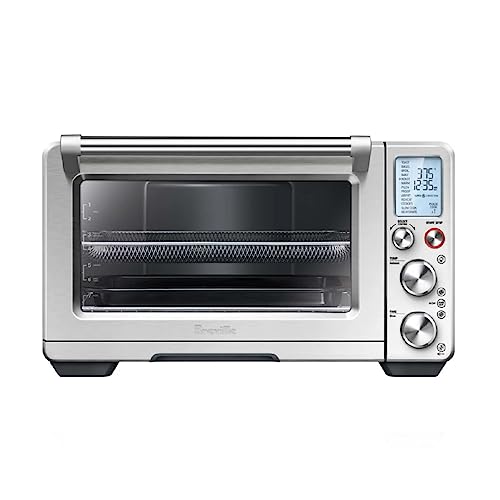
Yes—if you want speed and crisp results, a convection oven is great. The fan moves hot air, so food cooks faster and browns better. It’s my go-to for roast chicken with shatter-crisp skin, sheet-pan veggies, and bakery-level cookies. Expect to reduce temperature and time a bit for best results.
In my tests, weeknight dinners were 20–30% faster. Brussels sprouts turned glassy-crisp, and frozen fries tasted close to deep-fried with much less oil. The learning curve is real—my first batch of cookies browned too fast—but once I dialed in a 25°F reduction, the results were stellar. For busy cooks, that time savings is gold.
What Makes It Stand Out / Key Features
- Built-in fan circulates hot air for faster, even cooking
- Promotes browning and crisping on meats and veggies
- Often includes extra modes like air fry, dehydrate, and proof
- Shorter preheat times and improved heat recovery
- Great for multi-rack baking with consistent results
What I Like
- Speed: cuts many cook times by about a quarter
- Beautiful, even browning on cookies and pastries
- Crispy sheet-pan dinners with less oil
- Energy-friendly for quick meals
- Reheats pizza without soggy crust
What Could Be Better
- Can dry out delicate bakes without adjustments
- Requires learning to reduce temp and time
- Fan noise and potential draft for very light batters
- Countertop models may have limited capacity
My Recommendation
Choose a convection oven if you want fast, crisp, weeknight-friendly cooking and you do more roasting and air-fry-style meals.
| Best For | Why |
|---|---|
| Weeknight cooks | Faster meals with less energy |
| Roast lovers | Superior crisping and caramelization |
| Small kitchens | Countertop units add power without remodeling |
oven vs convection oven: Side-by-Side Test
I tested both across daily dishes and bakes. Below, I compare them on speed, baking, roasting, capacity, energy use, ease, cleaning, and value. This reflects how they perform in a real kitchen, not a lab.
Speed & Preheating: Which Gets Dinner Done Faster?
Short take: convection moves heat, so it wins on time.
| Criterion | Oven | Convection Oven |
|---|---|---|
| Preheat time | Longer | Shorter |
| Cook time vs recipe | As written | ~20–30% faster |
| Best for weeknights | Good | Excellent |
| Heat recovery after door open | Slower | Faster |
Oven – 7/10 | Convection – 9/10
Convection has the edge due to faster preheat and shorter cook times.
Delicate Baking: Which Is Gentler and More Forgiving?
Short take: conventional wins for fragile bakes.
| Criterion | Oven | Convection Oven |
|---|---|---|
| Cheesecake/crème brûlée | Excellent | Good with tweaks |
| Sponge and angel food | Excellent | Good; risk of drying |
| Cookie spread control | Predictable | Can brown fast |
| Pastry puff | Good | Great if adjusted |
Oven – 9/10 | Convection – 7/10
Conventional ovens win here thanks to softer heat and easier control.
Roasting & Crisping: Who Delivers the Best Texture?
Short take: convection boosts browning and crunch.
| Criterion | Oven | Convection Oven |
|---|---|---|
| Roast chicken skin | Very good | Outstanding |
| Vegetable caramelization | Good | Excellent |
| Frozen fries/wings | OK | Crispy with less oil |
| Broil finishing | Strong | Strong + fan help |
Oven – 8/10 | Convection – 9/10
Convection takes it with superior airflow-driven browning.
Capacity & Versatility: How Much Can You Cook?
Short take: conventional ovens are roomier; convection adds modes.
| Criterion | Oven | Convection Oven |
|---|---|---|
| Cavity size | Larger (range-sized) | Varies; countertop smaller |
| Multi-rack baking | Good | Very good due to airflow |
| Special modes | Basic + broil | Often air fry, dehydrate, proof |
| Whole turkey | Easy | Depends on model |
Oven – 9/10 | Convection – 8/10
Conventional wins on sheer space; convection wins on feature breadth, model-dependent.
Energy Use: Which Is More Efficient?
Short take: convection often uses less energy for the same meal.
| Criterion | Oven | Convection Oven |
|---|---|---|
| Preheat energy | Higher | Lower |
| Total cook time | Longer | Shorter |
| Low-temp dehydration | Rare | Common and efficient |
| Door-open recovery | Slower | Faster |
Oven – 7/10 | Convection – 9/10
Convection wins by cutting time and heat waste.
Ease of Use & Learning Curve: Which Is Simpler?
Short take: conventional is easier day one; convection rewards practice.
| Criterion | Oven | Convection Oven |
|---|---|---|
| Follow standard recipes | Exact | Needs temp/time tweaks |
| Noise | Quiet | Fan noise |
| Burn risk for thin items | Lower | Higher if unadjusted |
| Day-one success | Easier | Moderate learning curve |
Oven – 9/10 | Convection – 7/10
Conventional wins for simplicity; convection needs small adjustments to shine.
Cleaning & Maintenance: Which Is Less Hassle?
Short take: similar, but fans add parts.
| Criterion | Oven | Convection Oven |
|---|---|---|
| Interior splatter | Typical | Similar |
| Removable trays/racks | Yes | Yes |
| Fan/filters | N/A | May need cleaning |
| Self-clean options | Common | Varies by model |
Oven – 8/10 | Convection – 7/10
Conventional is a touch easier—no fan or filters to worry about.
Value for Money: Where Do You Get More?
Short take: depends on your cooking style.
| Criterion | Oven | Convection Oven |
|---|---|---|
| Upfront cost | Standard | Often higher for feature-rich units |
| Operating cost | Higher for long cooks | Lower due to speed |
| Benefit to bakers | High | High with tweaks |
| Benefit to busy cooks | Good | Excellent |
Oven – 8/10 | Convection – 8.5/10
If you value speed and crisping, convection pays off; for classic baking, a standard oven is enough.
Final Verdict: Which Should You Buy?
Choose a conventional oven if you bake delicate desserts, cook for a crowd, or want simple, predictable results. It is steady, roomy, and great for slow, moist dishes.
Choose a convection oven if speed and crisp texture matter. It excels for roasts, sheet-pan meals, and weeknight cooking. For most homes that want faster dinners, convection edges the oven in the oven vs convection oven debate.
FAQs Of oven vs convection oven
What is the main difference in oven vs convection oven?
A conventional oven uses still, radiant heat. A convection oven adds a fan that moves hot air for faster, more even cooking.
Do I need to change recipes for a convection oven?
Usually yes. Reduce temperature by about 25°F and start checking 20% sooner. Watch browning on cookies and pastries.
Which is better for baking cakes in oven vs convection oven?
Conventional ovens are better for delicate cakes and cheesecakes. Convection can work with adjustments but may dry edges.
Which is faster in oven vs convection oven?
Convection is faster. It often cuts cook times by 20–30% and shortens preheating.
Is a convection oven worth it if I already have a standard oven?
If you want quicker meals, crisper roasts, and better multi-rack performance, yes. If you mostly bake delicate desserts, your standard oven is already ideal.