
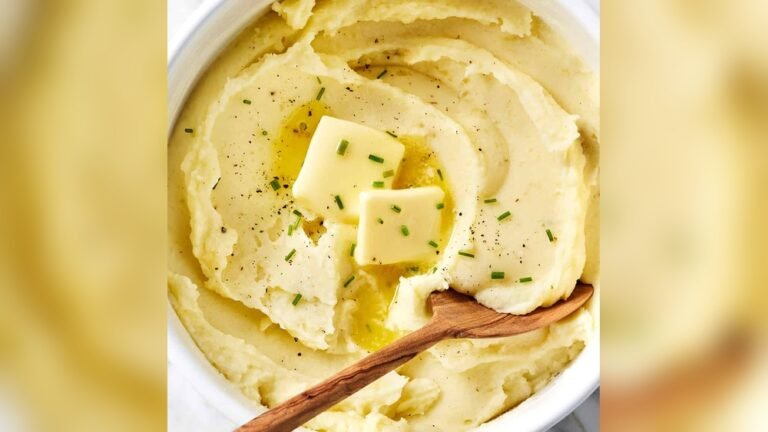
Are you ready to make the perfect mashed potatoes that everyone will love? Whether you’re preparing a cozy family dinner or impressing guests, knowing how to make creamy, fluffy mashed potatoes can transform your meal.
You don’t need fancy ingredients or complicated steps—just a few simple tricks to avoid common mistakes like watery or gluey potatoes. In this guide, you’ll discover exactly what to do to get smooth, buttery mashed potatoes every time. Keep reading, and soon you’ll have a classic side dish that’s sure to become a favorite at your table.
Short Process
Mashed potatoes are the ultimate comfort food, but there’s a fine line between “cloud-like perfection” and “wallpaper paste.” The secret lies in the potato choice and how you handle them.
Here is a foolproof guide to making the best mashed potatoes of your life.
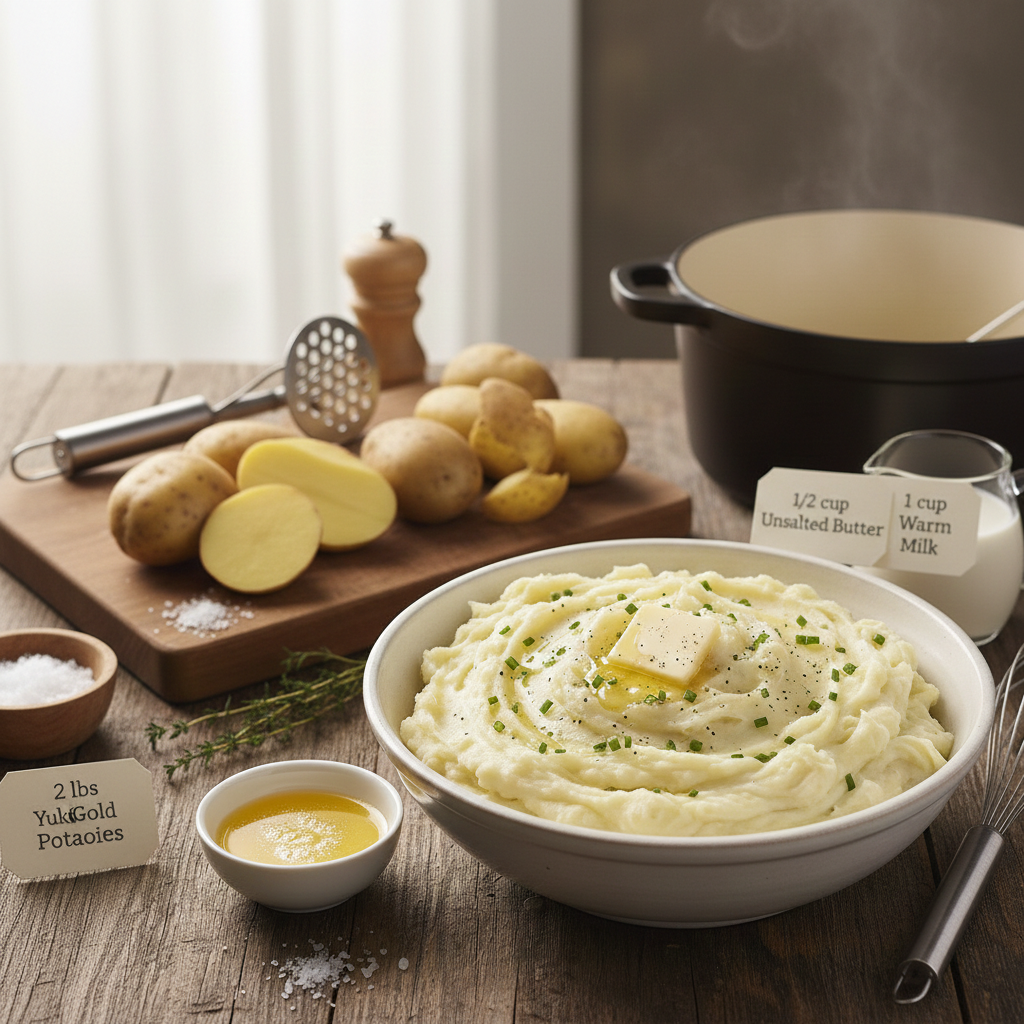
🛒 Ingredients
- Potatoes (2 lbs): Use Yukon Gold (for buttery flavor) or Russets (for fluffiness).
- Butter (1/2 cup): Unsalted is best so you can control the salt later.
- Milk or Heavy Cream (1/2 to 1 cup): Warm this up before adding!
- Salt: For the water and for seasoning.
- Optional: Garlic cloves, chives, sour cream, or black pepper.
👨🍳 The Step-by-Step Process
1. Prep and Boil
Peel the potatoes and cut them into even 1-inch chunks. This ensures they all cook at the same rate. Place them in a pot and cover with cold water.
Pro Tip: Always start with cold water. If you drop potatoes into boiling water, the outside overcooks while the inside stays hard.
2. Season the Water
Add a generous pinch of salt to the water. Bring to a boil, then reduce to a simmer. Cook for 15–20 minutes or until a fork slides in and out with zero resistance.
3. The “Steam Dry” (Crucial Step)
Drain the potatoes thoroughly. Return them to the hot, empty pot over low heat for about 1 minute. Shake them around to let the excess moisture evaporate. Dry potatoes soak up butter better.
4. Mash with Care
Use a potato masher or a ricer.
- Avoid the Blender: Never use a food processor or blender; the high speed releases too much starch, making the potatoes gluey.
5. Incorporate the Goodies
Add your warm milk and butter gradually. Fold them in gently until you reach your desired consistency. Season with salt and pepper to taste.
Also read Jewish Apple Cake Recipe: Moist, Easy & Irresistibly Delicious
💡 Quick Tips for Success
| Feature | Benefit |
| Warm Liquid | Keeps the potatoes hot and prevents a gummy texture. |
| Butter First | Coating the starch in fat before adding milk leads to a silkier mash. |
| Garlic Hack | Boil a few peeled garlic cloves with the potatoes for a subtle infusion. |
Detailed Process
Ingredients
Good mashed potatoes start with fresh, simple ingredients. Each element affects taste and texture. Use quality potatoes for the best results. Dairy adds creaminess and richness. Salt and pepper enhance the natural flavors.
Keep ingredients basic for a classic, smooth mash. Preparing everything before cooking saves time. Measuring carefully helps maintain balance in flavor and consistency.
Potatoes
Choose starchy potatoes like Russet or Yukon Gold. They break down easily and become fluffy. Avoid waxy potatoes, which can turn gummy. Peel the potatoes for a smooth texture. Cut into even pieces for uniform cooking.
Dairy
Use whole milk or heavy cream for creaminess. Warm the dairy before adding it to the potatoes. Cold milk cools the potatoes and makes mashing harder. Butter adds richness and a smooth feel. Use unsalted butter to control salt levels.
Seasonings
Salt is essential to bring out flavor. Add salt to the boiling water and to the mash. Freshly ground black pepper gives a mild heat and depth. Taste the potatoes before adding pepper. Adjust seasoning to your preference.
Equipment Needed
Making smooth, creamy mashed potatoes needs the right tools. The right equipment makes the process easier and the results better. Basic kitchen items help you cook, mash, and mix the potatoes perfectly. No fancy gadgets required.
Start with a large pot to boil potatoes evenly. A good pot helps cook potatoes until soft without burning. Next, a colander is handy to drain water quickly and safely. Removing water well keeps potatoes fluffy.
A potato masher or ricer is essential for mashing. A masher gives a rustic texture, while a ricer creates silky smooth potatoes. Both work well depending on your preference. Use a mixing bowl or the pot itself to combine all ingredients.
Large Pot
Use a large pot to boil potatoes with enough water. The pot should be big enough to hold potatoes and water comfortably. This helps potatoes cook evenly and fully.
Colander
A colander drains hot water safely and quickly. It lets you shake the potatoes to dry them. Dry potatoes absorb butter and milk better for creamier results.
Potato Masher Or Ricer
A masher breaks cooked potatoes into fluffy pieces. A ricer presses potatoes through small holes for smooth texture. Both tools help mix in butter and milk well.
Mixing Bowl Or Pot
Use the same pot or a mixing bowl to combine all ingredients. Mixing in a warm pot keeps potatoes hot. Stir gently to avoid lumps and keep creamy texture.
Choosing The Right Potatoes
Choosing the right potatoes is a key step in making perfect mashed potatoes. Different potatoes give different textures and flavors. Picking the right type ensures creamy, smooth results every time.
Some potatoes hold water better. Others are starchy and fluffy. Understanding these differences helps you decide what works best for your dish.
Types Of Potatoes For Mashing
Russet potatoes are the classic choice. They have a high starch content. This makes them light and fluffy when mashed. Their dry texture absorbs butter and cream well.
Yukon Gold potatoes are another great option. They have a medium starch level. Their texture is creamy and buttery. These potatoes give a richer flavor without extra ingredients.
Red potatoes and new potatoes are less starchy. They have a waxy texture. These types hold their shape better and create chunkier mashed potatoes.
How Starch Content Affects Texture
Starch makes potatoes fluffy when cooked. Higher starch means softer, airy mashed potatoes. Russets have the most starch, so they mash easily and smoothly.
Medium starch potatoes, like Yukon Gold, balance fluffiness and creaminess. They mash well but keep some body.
Low starch potatoes stay firm. They are better for salads or recipes where you want chunks.
Choosing Potatoes Based On Flavor
Russet potatoes have a mild, neutral taste. They work well with strong seasonings. Yukon Gold potatoes have a slightly sweet, buttery flavor. This adds richness without extra butter.
Red potatoes taste earthy and fresh. They add a different dimension to mashed potatoes. Choose based on your flavor preference and recipe style.
Preparing Potatoes
Preparing potatoes is the first step to making creamy mashed potatoes. Good preparation ensures even cooking and smooth texture. Start with fresh potatoes, ideally Yukon Gold or Russet for the best results.
Peeling And Cutting
Peel the potatoes carefully using a vegetable peeler. Removing the skin helps create a smooth mash. Cut the peeled potatoes into equal-sized chunks. This helps them cook evenly and faster. Aim for pieces about 1 to 2 inches wide.
Rinsing And Drying
Rinse the cut potatoes under cold water to wash away excess starch. Starch can make mashed potatoes gluey if not removed. After rinsing, dry the potatoes well using a clean kitchen towel or paper towels. Removing moisture prevents watery mashed potatoes and helps absorb butter and milk better.
Cooking Potatoes
Cooking potatoes properly is the first step to making creamy mashed potatoes. The texture depends on how well the potatoes are cooked. Perfectly cooked potatoes absorb butter and milk better. This creates a smooth, fluffy mash.
Boiling Tips
Start with potatoes cut into equal pieces. This ensures even cooking. Place the potatoes in cold water to cover. Salt the water generously. Bring it to a gentle boil, not a rolling one. This helps the potatoes cook evenly without breaking apart.
Keep the pot covered to maintain temperature. Stir occasionally to prevent sticking. Avoid overcooking; the potatoes will absorb water and become mushy.
Testing For Doneness
Check doneness by poking potatoes with a fork or knife. The utensil should slide in easily with little resistance. If the potatoes feel firm or hard, they need more time. Test several pieces to ensure all are tender.
Drain the potatoes immediately after cooking. This stops the cooking process. Let them sit in the colander to dry before mashing. Dry potatoes make creamier mashed potatoes.
Drying Potatoes
Drying potatoes is an important step to achieve fluffy mashed potatoes. After boiling, potatoes hold extra water. This moisture can make mashed potatoes watery or gluey. Removing it helps create a perfect texture. The process is simple and fast but changes the final dish a lot.
Drain Potatoes Thoroughly
Use a colander to drain the potatoes well. Let all water run off completely. Any leftover water adds unwanted moisture. This step sets the stage for drying.
Return Potatoes To Hot Pot
Put the drained potatoes back into the empty pot. Keep the pot on low heat. The heat helps evaporate the extra moisture inside the potatoes. It dries them out gently without cooking more.
Shake Potatoes Gently
Shake or stir the potatoes in the pot for 1-2 minutes. This movement exposes more surface area to heat. It speeds up the drying process. Be careful not to mash them yet.
Heating Dairy
Heating dairy is a vital step in making smooth mashed potatoes. Cold milk or cream can cool the potatoes and cause lumps.
Warm dairy blends better with the hot potatoes. This results in creamy, fluffy mashed potatoes.
Heating butter and milk gently also helps release their flavors. This makes your dish richer and more delicious.
How To Warm Milk Or Cream
Pour the milk or cream into a small saucepan. Heat it slowly over low heat. Stir often to avoid skin forming.
Warm the dairy until it is hot but not boiling. Boiling can change the taste and texture.
Remove from heat and use right away for best results.
Melting Butter Properly
Use unsalted butter for better control of salt in your potatoes. Cut butter into small pieces.
Place butter in a saucepan over low heat. Stir gently until fully melted.
Do not let the butter brown or burn. Brown butter will change the flavor of the dish.
Using A Microwave To Heat Dairy
Put milk or cream in a microwave-safe bowl. Heat in short bursts of 15 seconds.
Stir between each burst to spread the heat evenly. Stop heating when warm, not hot.
Microwaving butter requires care. Melt in 10-second bursts and watch closely.
Mashing Techniques
Mashing techniques affect the texture and taste of mashed potatoes. Choosing the right method helps you get creamy, smooth results. Each technique offers a unique way to mash potatoes. Understanding them improves your cooking skills and final dish.
Using A Masher
A potato masher is a simple tool with a handle and a grid or zigzag plate. Press down gently on cooked potatoes to break them. Mash until no large lumps remain. This method keeps some texture for a rustic feel. Avoid over-mashing to prevent dense potatoes. Clean the masher right after use for easy maintenance.
Using A Ricer
A ricer pushes potatoes through small holes, creating fine, fluffy mash. It works best with soft, fully cooked potatoes. Place potatoes in the ricer and squeeze handles firmly. This method removes lumps and gives smooth, light potatoes. Ideal for creamy mashed potatoes or recipes needing silky texture. Clean the ricer promptly to stop potato bits from sticking.
Avoiding Gluey Texture
Gluey mashed potatoes occur from overworking or using the wrong potato type. Use starchy potatoes like Russets for fluffiness. Drain and dry potatoes well before mashing. Mash gently and add warm milk or butter slowly. Avoid electric mixers, which can overwork and release too much starch. Follow these tips for light, airy mashed potatoes every time.
Mixing Ingredients
Mixing ingredients is an important step in making creamy mashed potatoes. It blends the potatoes with butter, milk, and seasoning to create a smooth texture and rich flavor. Proper mixing ensures the potatoes absorb the butter and milk evenly.
Start by mashing the potatoes until soft but not overly smooth. Then slowly add warm ingredients to keep the potatoes fluffy. Stir gently to avoid making the potatoes gluey or heavy.
Incorporating Butter And Milk
Warm the butter and milk before mixing. Cold dairy can cool the potatoes and make them less creamy. Pour the melted butter into the potatoes first. Mix it in gently until fully combined.
Next, add warm milk a little at a time. Stir after each addition to check the texture. Stop adding milk once you reach your preferred creaminess. This step controls the final consistency of your mashed potatoes.
Seasoning With Salt And Pepper
Seasoning is key to enhancing the potato flavor. Add salt gradually and taste as you go. Salt brings out the natural sweetness in the potatoes.
Freshly ground black pepper adds a mild heat and depth. Sprinkle pepper according to your taste. Stir the seasoning well into the mash to spread the flavors evenly.
Finishing Touches
Finishing touches bring mashed potatoes to their best texture and flavor. This final step makes a big difference. Smooth, creamy potatoes need gentle handling and the right ingredients. Simple tools and additions help achieve perfect results.
Using A Hand Mixer
A hand mixer can make mashed potatoes very smooth and fluffy. Use it on low speed to avoid overmixing. Overmixing releases starch, making potatoes gluey. Mix just until the potatoes are creamy and lump-free. Stop frequently to check the texture. This tool saves time and effort compared to mashing by hand.
Adding Extra Butter
Butter adds richness and a silky texture to mashed potatoes. Add it in small pieces while potatoes are warm. Stir gently to melt the butter evenly. More butter means creamier, tastier potatoes. Use unsalted butter to control salt levels better. Finish by tasting and adjusting salt and pepper as needed.
Serving Suggestions
Mashed potatoes are a classic side dish that pairs well with many meals. Their creamy texture and mild flavor make them very versatile. You can serve them simply or dress them up for special occasions.
Here are some tasty ways to enjoy mashed potatoes and make your meal more exciting.
Classic Comfort Pairings
Serve mashed potatoes with roasted chicken or turkey for a cozy meal. Add steamed vegetables like green beans or carrots for color and crunch. A simple gravy on top brings extra flavor and moisture.
Cheesy Mashed Potato Bake
Mix shredded cheddar or mozzarella into the mashed potatoes. Spread in a baking dish and top with more cheese. Bake until golden and bubbly for a warm, cheesy side dish everyone loves.
Mashed Potatoes With Garlic And Herbs
Stir in minced garlic and fresh herbs like parsley or chives. This adds a fresh, aromatic touch. It pairs well with grilled meats or fish, enhancing the dish without overpowering it.
Loaded Mashed Potatoes
Add cooked bacon bits, chopped green onions, and a dollop of sour cream. This makes the potatoes rich and flavorful. Serve as a side or even as a main dish for a filling meal.
Mashed Potato Bowls
Create a bowl with mashed potatoes as the base. Top with sautéed mushrooms, cooked ground beef, or steamed broccoli. Drizzle with gravy or cheese sauce for a complete and satisfying meal.
Variations And Tips
Mashed potatoes can be simple or creative. Small changes make big flavor differences. Explore easy ways to change up your mashed potatoes. These tips help you find your favorite style. Try different ingredients and potato types for variety.
Using Different Dairy
Butter and milk are classic choices. Swap milk for cream to get richer potatoes. Sour cream adds a tangy, smooth texture. Greek yogurt works well for a healthy twist. Cheese, like cream cheese or cheddar, adds creaminess and taste. Warm the dairy before mixing to keep potatoes fluffy.
Adding Garlic Or Herbs
Garlic gives mashed potatoes a strong, warm flavor. Roast garlic first for a sweet, mellow taste. Fresh herbs like parsley, chives, or thyme add color and freshness. Mix herbs gently to keep their flavor bright. Add garlic or herbs last to keep their aroma strong.
Alternative Potato Varieties
Russet potatoes are starchy and fluffy when mashed. Yukon Gold potatoes create creamy, buttery texture naturally. Red potatoes keep some skin on for texture and color. Sweet potatoes offer a sweet, unique flavor. Try mixing types for a new taste and texture combination.
Common Mistakes
Making mashed potatoes may seem easy, but many cooks make common mistakes. These errors can change the texture and flavor. Avoiding them helps create smooth, creamy mashed potatoes every time.
Understanding these mistakes saves time and improves your dish. Let’s explore the most frequent pitfalls and how to prevent them.
Using The Wrong Type Of Potato
Not all potatoes mash well. Waxy potatoes stay firm and create lumps. Starchy potatoes like Russets or Yukon Golds are best. They become soft and fluffy when cooked.
Not Draining Potatoes Properly
Leaving water in potatoes makes them watery. Drain them well using a colander. Then, dry them on low heat in the pot. This step removes extra moisture for better texture.
Adding Cold Ingredients
Cold butter or milk cools the potatoes and makes them stiff. Warm the butter and milk before mixing. Warm ingredients blend smoothly and keep potatoes creamy.
Overmixing The Potatoes
Mashing too much breaks down starch and makes potatoes gluey. Mash gently and stop when smooth. Use a ricer for a lighter texture without overworking.
Skipping Seasoning
Potatoes need salt to taste good. Add salt during cooking and after mashing. Season well with pepper for extra flavor.
Additional Resources
Exploring additional resources can enhance your mashed potato making skills. These tools offer fresh ideas and techniques. They also help you understand the process better. Check out trusted recipe websites and video tutorials to expand your knowledge.
Recipe Websites
Recipe websites provide detailed instructions and ingredient lists. They often include tips for perfect results. Some sites offer variations like garlic or herb mashed potatoes. You can read user reviews to see what works best. These sites update regularly with new recipes. Examples include Allrecipes, Spend With Pennies, and Love and Lemons.
Video Tutorials
Video tutorials show every step clearly. Watching the process helps you grasp techniques quickly. You can pause and replay parts to learn at your pace. Popular channels like Joshua Weissman and Natashas Kitchen offer easy-to-follow guides. Visual learning often boosts confidence in cooking. Videos also reveal tricks not obvious in written recipes.
How Smart Kitchen Connect Can Help You with How to Make Mashed Potatoes
Practical Learning Opportunities in Making Mashed Potatoes
Understanding how to make mashed potatoes opens up valuable practical skills in the kitchen. For instance, mastering the art of choosing the right potatoes and preparing them properly not only improves texture but also teaches you the importance of ingredient selection. Similarly, drying potatoes before mashing and heating dairy separately are subtle techniques that enhance the final result, highlighting attention to detail in cooking.
Experimenting with different mashing techniques and mixing ingredients allows for hands-on learning about texture and flavor balance, while avoiding common mistakes like overworking the potatoes sharpens your problem-solving skills. For those interested in integrating smart kitchen tools, exploring innovative appliances can make these steps more efficient and enjoyable, aligning with the modern cooking lifestyle.
If you ever want to delve deeper into these processes or have questions about kitchen technology integration, Smart Kitchen Connect is a great resource. Feel free to reach out at admin@smartkitchenconnect.com for practical advice and insights.
Frequently Asked Questions
What Type Of Potatoes Are Best For Mashed Potatoes?
Russet and Yukon Gold potatoes are best for mashed potatoes. Russets are starchy and fluffy, while Yukon Golds are creamy and buttery. Both yield smooth and delicious results when mashed properly.
How Do I Prevent Mashed Potatoes From Becoming Gluey?
Avoid overmixing mashed potatoes to prevent gluey texture. Drain potatoes well and dry them in the pot before mashing. Use warm butter and milk to keep potatoes fluffy and light.
Can I Make Mashed Potatoes Ahead Of Time?
Yes, you can prepare mashed potatoes ahead. Store them in an airtight container and refrigerate. Reheat gently with added milk or butter to restore creaminess before serving.
Should I Peel Potatoes Before Mashing?
Peeling potatoes before mashing is traditional for smooth texture. However, leaving skins on adds nutrition and rustic flavor. Choose based on your preferred texture and presentation.
Conclusion
Mashed potatoes are simple and satisfying to make at home. Use the right steps for creamy, smooth results every time. Warm butter and milk add rich flavor and softness. Avoid excess water by drying potatoes well before mashing. Season with salt and pepper to suit your taste.
Enjoy this classic side dish with your favorite meals. Practice a few times to find your perfect texture. Homemade mashed potatoes bring comfort and warmth to any table.