

Craving a rich, bold espresso but don’t have an espresso machine? You’re not alone, and the good news is—you don’t need one to enjoy a strong, flavorful shot of coffee at home.
Whether you’re short on space, budget, or just want to experiment, there are simple ways to make espresso-like coffee using tools you probably already have. In this guide, you’ll discover easy methods to create that perfect concentrated coffee shot, using everyday items like a Moka pot, French press, or AeroPress.
Ready to brew your own espresso without the fancy machine? Keep reading, and unlock the secrets to a café-quality coffee right in your kitchen.

Credit: www.drinktrade.com
Moka Pot Method
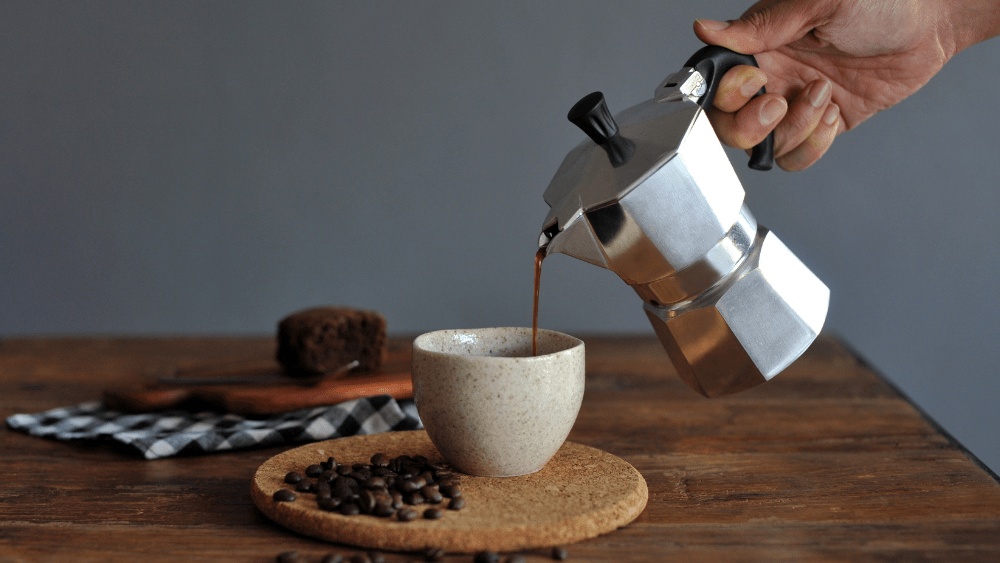
The Moka pot method is a popular way to make espresso without a machine. It uses steam pressure to brew a rich, strong coffee. This method works well on any stovetop and is affordable. Many coffee lovers enjoy the bold flavor it creates.
Using a Moka pot is simple and produces a concentrated coffee similar to espresso. Follow the steps below to get the best results from your Moka pot.
Preparing The Moka Pot
Start by filling the bottom chamber with hot water. Fill it just up to the safety valve level. Avoid overfilling to prevent spills or weak coffee.
Next, place the filter basket inside the bottom chamber. Make sure it fits snugly and is clean before use.
Screw the top part of the Moka pot tightly onto the base. This ensures no steam escapes during brewing.
Choosing The Right Grind
Select a medium-fine grind for your coffee beans. It should be finer than drip coffee but coarser than espresso grind.
This grind level allows the water to flow through the grounds evenly. Too fine can cause clogging, and too coarse will result in weak coffee.
Use fresh coffee beans for the best aroma and flavor.
Brewing Process
Place the Moka pot on medium heat. The water in the bottom chamber will heat and create steam pressure.
The pressure pushes hot water up through the coffee grounds. Brew until you hear a hissing sound or see coffee filling the top chamber.
Remove the pot from heat immediately once brewing stops. Overheating can cause burnt flavors.
Serving Tips
Pour the coffee gently to avoid disturbing the grounds. Serve it fresh and hot for the best taste.
Add hot water or milk if you prefer a lighter drink. Sugar or flavored syrups can enhance the flavor too.
Clean the Moka pot after each use to maintain taste and extend its life.
French Press Technique
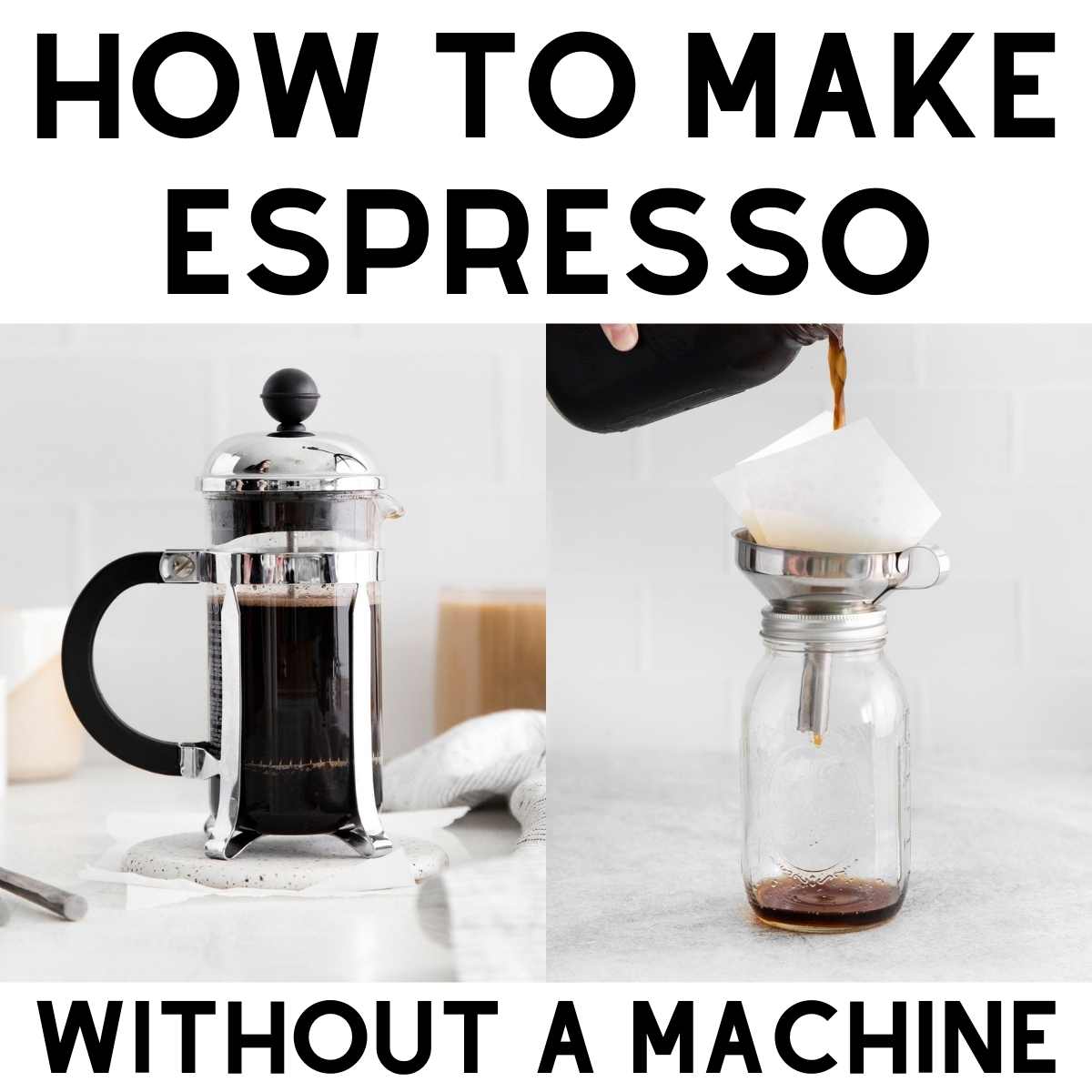
The French Press technique offers a simple way to brew a strong, espresso-like coffee without needing a machine. This method uses steeping and pressure to extract rich flavors from finely ground coffee. It creates a bold cup that closely mimics the intensity of espresso.
Using a French Press allows control over brewing time and coffee strength. It is perfect for making a quick, concentrated coffee shot at home. Follow these steps for an excellent espresso substitute.
Selecting Coffee Grounds
Use finely ground coffee for the best results. The grounds should be finer than for regular French Press but not as powdery as espresso grind. Too coarse grounds make weak coffee, while too fine grounds can clog the press.
Choose fresh, high-quality beans for a richer taste. Grind just before brewing to preserve aroma and flavor.
Steeping Time
Pour hot water just off the boil over the coffee grounds in the French Press. Stir gently to mix the grounds with water. Let the coffee steep for about four minutes. This time extracts strong flavor without bitterness.
Shorter steeping makes a lighter brew. Longer steeping can cause over-extraction and bitterness.
Pressing The Plunger
Slowly press the plunger down with steady pressure. This separates the grounds from the brewed coffee. Pressing too fast may push grounds into the coffee, making it gritty. Take your time to get a smooth, clean cup.
Pour immediately after pressing to avoid over-extraction and bitterness.
Enhancing The Flavor
Add a small pinch of salt to reduce bitterness. A dash of cinnamon or cocoa powder can add unique notes. Use milk or sugar to soften the strong taste if preferred.
Serve the coffee hot and fresh. Experiment with steeping time and coffee amount to find your ideal strength.
Aeropress Approach
The AeroPress offers a simple way to make espresso-like coffee without a machine. It uses air pressure to extract rich flavors quickly. This method is great for those who want strong coffee at home or on the go.
With just a few steps, you can enjoy a smooth, concentrated coffee shot. The AeroPress is easy to clean and portable. It works well with finely ground coffee beans, mimicking the espresso style closely.
Grinding Coffee Beans
Start by grinding your coffee beans finely. The grind should be finer than drip coffee but not as fine as espresso powder. Freshly ground beans give the best taste and aroma. Avoid pre-ground coffee for richer flavor.
Assembling The Aeropress
Place a paper filter inside the AeroPress cap. Rinse the filter with hot water to remove paper taste. Attach the cap to the AeroPress chamber. Set the AeroPress on top of your coffee cup, upside down or right side up.
Brewing Steps
Add the finely ground coffee into the AeroPress chamber. Pour hot water just off boiling, about 85-90°C (185-195°F), over the grounds. Stir gently for 10 seconds to mix. Let it steep for 30 seconds to one minute.
Extracting Concentrated Coffee
Insert the plunger into the chamber and press down slowly. Apply steady pressure until you hear a hissing sound. This extracts a thick, concentrated coffee shot. Remove the AeroPress and enjoy your espresso-style coffee.
Instant Coffee Concentrate
Instant coffee concentrate offers a quick way to enjoy a strong coffee shot without special tools. It uses instant coffee powder mixed with less water than usual. This creates a rich and bold flavor similar to espresso. The process is simple and fast. It is perfect for those who want espresso taste on the go or at home without a machine.
Choosing Instant Coffee
Start with good quality instant coffee. Look for brands that have a strong and dark roast. Avoid flavored or light roast powders. These may not give the strong taste needed for espresso. Some brands also offer espresso-style instant coffee. These can work better for a more authentic flavor.
Mixing For Concentration
Use less water than usual to make the concentrate. A common ratio is one teaspoon of instant coffee to two tablespoons of hot water. Stir well until fully dissolved. This creates a thick and intense coffee base. Adjust the amount of coffee powder for stronger or lighter taste. Let the mixture cool slightly if needed before drinking.
Customizing Your Drink
Add milk or cream to soften the strong flavor. Use hot or cold milk depending on your preference. Sweeten with sugar or syrup for extra taste. You can also add a pinch of cinnamon or cocoa powder. These enhance the flavor and add a nice aroma. Serve in a small cup to mimic an espresso shot.
Tips For Better Homemade Espresso
Making espresso at home without a machine is possible with a few simple tips. These tips improve flavor and texture. They help create a richer and smoother espresso shot. Follow these easy steps for better homemade espresso.
Coffee Bean Selection
Choose fresh coffee beans for the best taste. Dark roast beans work well for espresso. They have a strong flavor and bold aroma. Avoid pre-ground coffee to keep freshness. Whole beans grind just before brewing.
Grinding Consistency
Grind beans to a fine, even texture. Too coarse or too fine affects extraction. A consistent grind ensures balanced flavor. Use a burr grinder for better control. Avoid blade grinders that create uneven particles.
Water Temperature
Heat water to about 90-96°C (195-205°F). Water that is too hot burns coffee. Too cold water under-extracts flavor. Use a thermometer or let boiling water rest briefly. This range extracts the best taste.
Adjusting Coffee-to-water Ratio
Start with a ratio of 1:2 coffee to water by weight. For example, 18 grams of coffee with 36 grams of water. Adjust to taste for stronger or lighter espresso. Precise measurement improves consistency and flavor.

Credit: www.acquetech.com
Common Mistakes To Avoid
Making espresso without a machine can be simple, but some mistakes can ruin your brew. Avoiding these common errors helps you get a rich, flavorful shot every time. Focus on the basics and keep your process clean and consistent.
Overpacking Coffee Grounds
Pressing coffee grounds too hard blocks water flow. This causes uneven extraction and bitter taste. Use a light, even tamp to allow water to pass through easily. Overpacking also slows brewing, making your coffee too strong or burnt.
Using Incorrect Grind Size
Espresso needs very fine coffee grounds. Coarse grounds make weak, watery coffee. Fine grounds create more surface area for water to extract flavor quickly. If your grind is too fine, the water won’t flow well, causing bitterness. Find a balance to get the perfect shot.
Ignoring Brew Time
Brewing too fast or too slow changes the taste. A short brew time gives sour coffee. A long brew time results in bitterness. Aim for about 25-30 seconds. Use a timer or watch carefully to keep your brew consistent.
Neglecting Equipment Cleanliness
Dirty tools affect coffee flavor. Old coffee oils build up and taste rancid. Clean your grinder, filter, and any other equipment after every use. This keeps your espresso fresh and tasty each time you make it.
Credit: www.texanerin.com
How Smart Kitchen Connect Can Help You with How to Make Espresso Without a Machine
Exploring Practical Learning Through Espresso Alternatives
For those eager to master espresso without a traditional machine, hands-on experimentation with methods like the Moka Pot and AeroPress can be both rewarding and educational. These approaches teach the fundamentals of pressure and extraction, providing a deeper understanding of coffee brewing mechanics. Meanwhile, the French Press technique offers insight into immersion brewing, highlighting how grind size and steep time influence flavor concentration.
- Try adjusting grind fineness and brew time with a Moka Pot to observe taste variations.
- Use the AeroPress to explore pressure manipulation and its impact on espresso-like intensity.
- Compare results from the French Press to notice differences in body and crema formation.
Smart Kitchen Connect encourages embracing these practical learning opportunities to build confidence and refine your homemade espresso skills efficiently. For further guidance or questions on optimizing your process, you can reach out at admin@smartkitchenconnect.com—supporting your journey toward smarter, more innovative kitchen experiences.
Frequently Asked Questions
How Do You Make Espresso With Regular Coffee?
Use finely ground regular coffee in a Moka pot, AeroPress, or French press. Apply pressure to brew a concentrated shot. Avoid drip coffee makers, as they lack pressure for true espresso.
Can You Make An Espresso Shot With A Regular Coffee Maker?
You cannot make a true espresso shot with a regular coffee maker. It lacks the high pressure needed to extract espresso. Use a Moka pot, AeroPress, or French press for a strong, espresso-like coffee instead.
What Is The 2 1 Rule For Espresso?
The 2:1 rule for espresso means using twice the output weight of liquid espresso compared to the input dry coffee grounds. For example, 18 grams of coffee yields 36 grams of espresso. This ratio ensures balanced flavor and proper extraction.
How To Make Espresso Concentrate Without A Machine?
Grind coffee finely, add hot water, stir, and steep for 3-4 minutes. Press through a French press or AeroPress for espresso concentrate.
Conclusion
Making espresso without a machine is simple and fun. Use tools like a Moka pot, French press, or AeroPress for best results. Grind coffee finely and apply pressure to get a strong, rich flavor. Experiment with different methods to find what suits your taste.
Enjoy a fresh espresso anytime at home without expensive equipment. Great coffee is possible with just a little patience and practice. Try these easy steps and savor your homemade espresso today.