
Craving a rich, bold espresso but don’t have an espresso machine at home? You’re not alone—and the good news is, you don’t need one to enjoy that intense coffee flavor.
Whether you’re pressed for space, budget, or just love experimenting in the kitchen, there are simple and effective ways to brew espresso-style coffee using tools you probably already have. Imagine waking up to a perfectly strong shot of coffee made right in your own kitchen, without any fancy equipment.
Ready to unlock the secrets of making espresso without a machine? Keep reading, because your new favorite coffee ritual is just a few steps away.
Moka Pot Method
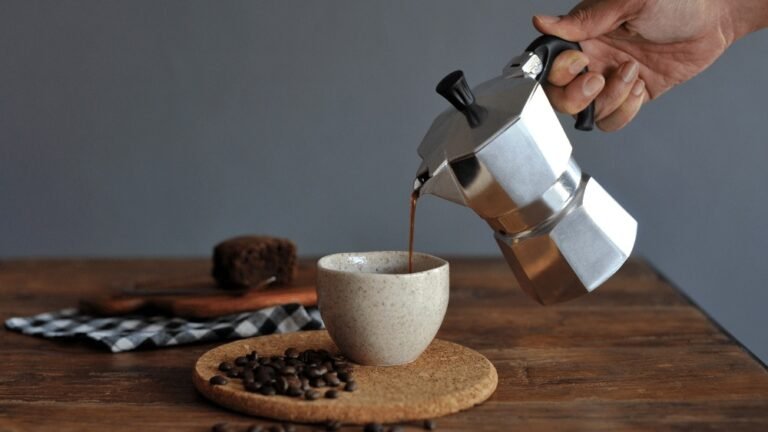
The Moka Pot method offers a simple way to brew strong, espresso-like coffee without a machine. It uses steam pressure to push hot water through finely ground coffee. This creates a rich and bold flavor similar to espresso. The Moka Pot is affordable, easy to use, and perfect for stovetop brewing.
Preparing The Moka Pot
Start by filling the bottom chamber with hot water. Fill it just below the safety valve to avoid overfilling. Insert the filter basket into the base. Make sure it fits snugly. Add coffee grounds to the basket, then screw the top chamber tightly onto the base. Ensure the seal is secure to prevent leaks.
Choosing The Right Grind
Select a medium-fine grind for the best results. The grind should be finer than drip coffee but coarser than espresso. Avoid using very fine espresso grind, as it may clog the filter. Using the right grind helps water flow properly and extracts the best flavor. Freshly ground coffee beans improve taste and aroma.
Brewing On The Stove
Place the Moka Pot on low to medium heat. Keep the lid open to watch the brewing process. Steam pressure will force water through the coffee and into the top chamber. Listen for a hissing sound, signaling the brew is almost done. Remove the pot from heat once the top chamber is full. Avoid overheating to prevent bitterness.
Serving Tips
Pour the coffee immediately to enjoy its full flavor. Serve in small cups, similar to espresso servings. Add sugar or milk if preferred, but many enjoy it black. Clean the Moka Pot after each use to maintain taste and durability. Regular maintenance keeps your coffee fresh and flavorful every time.
French Press Technique
The French press technique offers a simple way to brew strong, espresso-like coffee without a machine. This method uses coarse grounds and manual pressing to extract rich flavors. It requires minimal tools and gives good control over brewing time and intensity.
Follow these steps to create a bold, concentrated coffee shot that resembles espresso. The French press can deliver a satisfying alternative for espresso lovers at home.
Grinding Coffee Beans
Start with fresh coffee beans for the best taste. Grind them to a coarse consistency, similar to sea salt. Avoid fine grinding, as it can clog the press and create bitter flavors. A consistent grind helps with even extraction and prevents over-extraction.
Brewing Process
Heat water to about 200°F (just below boiling). Add coffee grounds to the French press. Pour a small amount of hot water over the grounds, enough to wet them evenly. Stir gently to mix coffee and water well. Add the remaining water and cover with the lid, leaving the plunger up. Let the coffee steep for 3 to 4 minutes.
Pressing The Grounds
After steeping, press the plunger down slowly and steadily. This separates the grounds from the brewed coffee. Pressing too fast can release bitter flavors. Pour the coffee immediately to avoid over-extraction. The result is a strong, concentrated coffee similar to espresso.
Enhancing Flavor
Use freshly roasted beans for richer flavor. Experiment with brewing time to adjust strength. Add a pinch of salt to reduce bitterness. Serve coffee warm and enjoy it plain or with milk. These tips help improve the taste and mimic espresso’s bold profile.
Aeropress Approach
The AeroPress offers a simple way to make espresso-style coffee without a machine. It uses air pressure to extract rich flavors quickly. This method is popular for its portability and ease of use. The AeroPress produces a strong, smooth shot that resembles espresso closely.
Setting Up Aeropress
Start by placing a paper filter inside the AeroPress cap. Rinse the filter with hot water to remove paper taste. Attach the cap to the main chamber. Place the AeroPress on top of your coffee cup or mug.
Coffee Grind And Measurement
Use finely ground coffee, similar to espresso grind. Measure about 14 to 18 grams of coffee for a strong shot. Add the coffee grounds to the AeroPress chamber. Level the grounds for even extraction.
Pressing And Extraction
Pour hot water (about 90-96°C) into the chamber, up to the desired level. Stir the coffee and water gently for 10 seconds. Insert the plunger and press down slowly. Apply firm, steady pressure until you hear a hissing sound.
Customizing Your Shot
Adjust coffee amount or grind size to change strength. Control water temperature for different flavor notes. Vary pressing speed for a lighter or bolder shot. Experiment with steep time to find your perfect taste.
Instant Coffee Shortcut
The Instant Coffee Shortcut offers a fast way to enjoy espresso-like coffee at home. It needs no special tools or machines. Just a few simple steps turn instant coffee into a strong, rich drink. This method works well for busy mornings or when espresso machines are not available.
Choosing Quality Instant Coffee
Select instant coffee with a bold, rich flavor. Avoid weak or mild varieties. Look for brands that use 100% pure coffee. Dark roast instant coffee often gives a better espresso taste. Freshness matters; newer packages have stronger aroma and taste.
Mixing For Concentration
Use less water than usual to create a stronger coffee shot. Start with one to two teaspoons of instant coffee. Add about two ounces of hot water. Stir well until the coffee dissolves completely. This makes a concentrated brew similar to espresso.
Adding Milk And Sweeteners
Add hot milk or cream to soften the strong coffee. Use just enough to keep the bold flavor. Sweeten with sugar, honey, or flavored syrups as you like. Stir gently to blend all ingredients. This step gives a smooth, balanced taste like café espresso.
Tips For Best Results
Making espresso without a machine needs some care to get the best taste. Small details make a big difference. Follow these tips to enjoy a strong and rich espresso shot at home. Each step affects the flavor and strength of your coffee.
Selecting Coffee Beans
Choose fresh, high-quality coffee beans for the best flavor. Dark roast beans work well for espresso. They have a bold and rich taste. Avoid pre-ground coffee; whole beans keep flavor longer. Store beans in an airtight container away from light and heat.
Water Temperature And Quality
Use clean, fresh water for a pure taste. Tap water with strong odors or minerals can change the flavor. Heat water to about 90-96°C (194-205°F). Boiling water can burn the coffee, causing bitterness. Use a thermometer or let boiling water cool for 30 seconds before brewing.
Grinding Consistency
Grind coffee beans very fine, almost like powder. Consistent grind size helps extract flavors evenly. Use a burr grinder for better control. Avoid blade grinders as they produce uneven grounds. Too coarse or too fine can cause weak or bitter coffee.
Experimenting With Ratios
Start with one to two tablespoons of coffee per shot. Adjust coffee and water amounts to suit your taste. More coffee means stronger espresso. Less water makes it thicker and more intense. Keep notes to remember your favorite ratio.
Common Mistakes To Avoid
Making espresso without a machine is simple but easy to mess up. Some common mistakes can ruin the flavor or texture of your coffee. Avoiding these errors helps you get a better, richer espresso shot.
Using Too Coarse Or Fine Grounds
Choosing the right grind size is key. Too coarse grounds make weak coffee with little flavor. Too fine grounds can cause over-extraction and bitterness. Aim for a medium-fine grind to get balanced taste and good pressure.
Overheating Coffee
Hot water should not boil when brewing espresso. Boiling water burns the coffee and spoils the taste. Use water just below boiling point, around 195-205°F (90-96°C). Pour slowly to keep the temperature steady.
Ignoring Brew Time
Brewing too long or too short affects flavor. Under-extracted coffee tastes sour and watery. Over-extracted coffee tastes bitter and harsh. Aim for about 25-30 seconds brewing time for a strong, smooth espresso.
Skipping Equipment Cleaning
Dirty equipment changes the coffee taste. Old coffee oils build up and add bad flavors. Clean your tools after each use with warm water. This keeps your espresso fresh and pure every time.
Alternative Brewing Tools
Making espresso without a machine is possible with some alternative brewing tools. These tools create pressure or use specific brewing methods to extract strong, rich coffee. They are affordable and easy to use at home. Each tool offers a unique way to enjoy espresso-like coffee.
Using A Stovetop Espresso Maker
The stovetop espresso maker, also called a Moka pot, is a popular choice. It uses steam pressure to push hot water through coffee grounds. This process creates a concentrated coffee shot similar to espresso.
Fill the bottom chamber with water and add medium-fine coffee grounds to the filter basket. Place the pot on the stove and heat until the coffee fills the top chamber. The result is a strong, flavorful brew.
Employing A Handheld Espresso Maker
A handheld espresso maker is compact and portable. It uses manual pressure to extract coffee. You add finely ground coffee and hot water into the device. Then, you pump a lever or press a button to force water through the coffee.
This tool is great for travel or small spaces. It delivers a rich espresso shot without electricity or bulky equipment. The pressure control lets you adjust the taste and strength.
Leveraging A Percolator
A percolator brews coffee by cycling boiling water through coffee grounds. It does not create espresso pressure but can make strong coffee. Use finely ground coffee and less water for a bolder taste.
Place water in the bottom, add coffee to the basket, and heat on the stove. The water moves up and down through the grounds until brewing is complete. This method produces a deep and robust coffee flavor.

Credit: www.pactcoffee.com
How Smart Kitchen Connect Can Help You with How to Make Espresso Without a Machine
Practical Learning Opportunities in Brewing Espresso Without a Machine
Exploring how to make espresso without a machine opens up hands-on learning experiences that deepen your understanding of coffee brewing. For example, experimenting with the Moka Pot Method allows you to grasp how steam pressure extracts rich flavors, while the French Press Technique offers insight into immersion brewing and grind size impact. The AeroPress Approach further introduces you to adjustable pressure and brewing time, providing a versatile way to fine-tune your espresso-like shot.
Engaging with these methods encourages you to apply tips for best results and avoid common mistakes, such as using the right water temperature or ensuring a proper coffee grind. At Smart Kitchen Connect, we emphasize practical knowledge that complements innovative kitchen tools, helping you brew smarter and more efficiently. If you’re curious about refining your technique or troubleshooting, reaching out via admin@snartkitchenconnect.com can connect you with helpful resources and community insights.
Frequently Asked Questions
How Do You Make Espresso With Regular Coffee?
Grind regular coffee beans finely. Use a Moka pot, AeroPress, or French press to brew under pressure. This creates a strong, espresso-like shot. Avoid drip machines as they lack pressure. Press grounds firmly and use less water for concentration. Serve immediately for best taste.
Can You Make An Espresso Shot With A Regular Coffee Maker?
A regular coffee maker cannot produce true espresso due to low pressure. Use a Moka pot, AeroPress, or French press for espresso-like coffee instead.
What Is The 2 1 Rule For Espresso?
The 2:1 rule for espresso means extracting two parts liquid coffee for every one part coffee grounds by weight. This ensures balanced flavor and strength.
How To Make Espresso Concentrate Without A Machine?
Grind coffee finely, add hot water, stir, and steep for 3-4 minutes. Press with a French press or AeroPress. Serve the concentrated shot.
Conclusion
Making espresso without a machine is simple and rewarding. Use tools like a Moka pot, French press, or AeroPress. These methods create strong, rich coffee similar to espresso. Grinding your coffee beans finely helps extract more flavor. Hot water and steady pressure are key to a good shot.
Practice a few times to find your favorite taste. Enjoy your homemade espresso anytime, without expensive equipment. This approach saves money and adds fun to your coffee routine. Try different methods and discover what works best for you. Fresh coffee, simple steps, great results.