
Are you craving a smooth, refreshing coffee that you can enjoy anytime without the bitter aftertaste? Making cold brew coffee at home is easier than you think, and once you try it, you’ll wonder why you didn’t start sooner.
Imagine waking up to a rich, mellow coffee concentrate ready to pour over ice or mix with your favorite milk—all without the hassle of complicated machines. In this guide, you’ll discover simple steps to craft your perfect cold brew, using just a few ingredients and basic tools you probably already have.
Ready to transform your coffee routine and savor every sip? Let’s dive into how you can make cold brew coffee that tastes like it came from your favorite café.
Read How to Make Popcorn in a Popcorn Popper: Easy & Perfect Tips
Ingredients And Equipment
Making cold brew coffee starts with the right ingredients and equipment. These basics affect the taste and quality of your brew. Simple tools and fresh ingredients can create a smooth, rich coffee you enjoy at home.
Choosing good coffee beans, clean water, and proper containers ensures a better brew. Below are key points to consider for each.
Coffee Beans Selection
Choose fresh, whole coffee beans for the best flavor. A medium to dark roast works well for cold brew. Avoid pre-ground coffee; grind your beans coarsely before brewing. Coarse grounds extract flavors slowly and prevent bitterness.
Water Quality
Use clean, fresh water free of strong odors or tastes. Filtered or bottled water is ideal. Cold brew requires water at room temperature or colder. The quality of water directly affects the coffee’s taste.
Containers And Tools
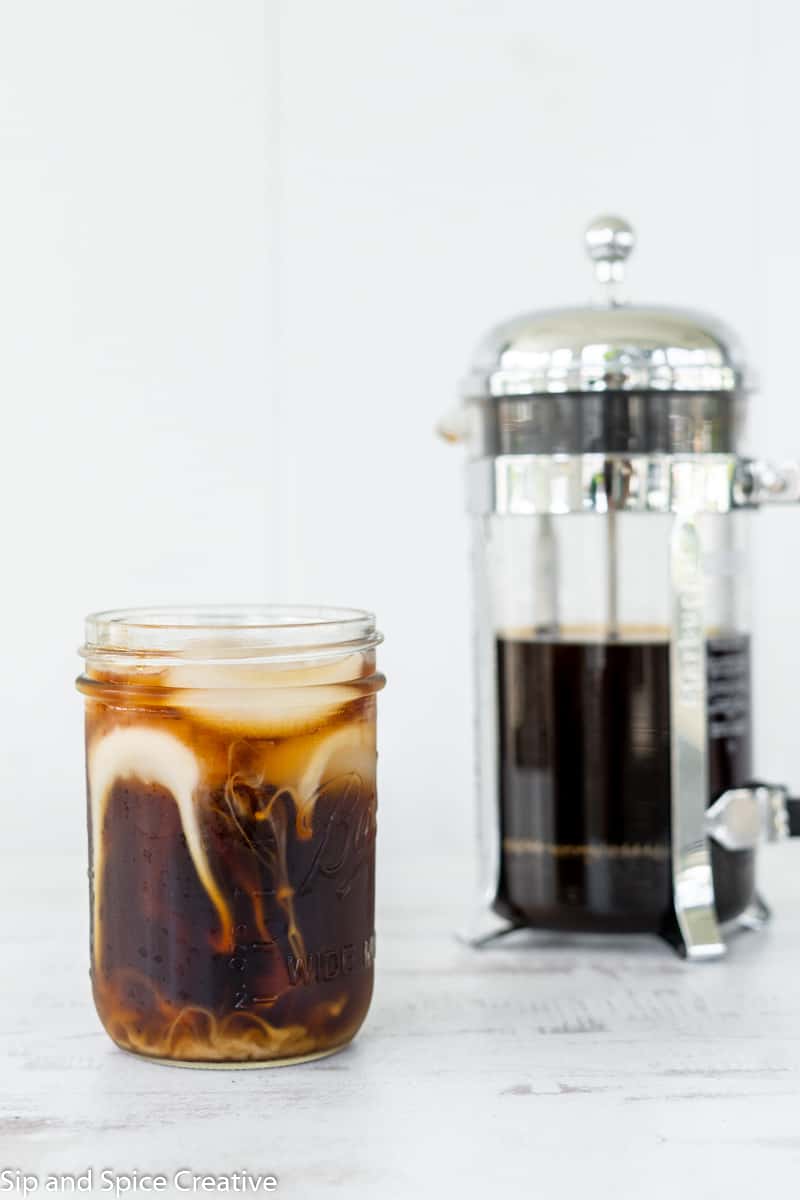
A large jar, pitcher, or container with a lid works best for steeping. Glass or BPA-free plastic containers are safe choices. Use a fine mesh sieve, cheesecloth, or French press to strain the coffee grounds. A second container is needed to store the finished cold brew.
Credit: sipandspice.com
Grinding Coffee
Grinding coffee is a key step in making cold brew. The grind size affects how the water extracts flavors from the coffee. Too fine a grind can make the brew bitter. Too coarse can lead to weak coffee. The right grind helps achieve a smooth and rich taste. Let’s explore why a coarse grind matters and which grinding methods work best.
Coarse Grind Importance
Cold brew needs a coarse grind for slow extraction. Coarse grounds prevent over-extraction, which causes bitterness. Large particles soak in water longer and release flavors gently. They also make filtering easier, avoiding sediment in your drink. Using a coarse grind results in a smooth, balanced cold brew every time.
Grinding Methods
A burr grinder is ideal for consistent coarse grounds. It crushes beans evenly without overheating. Blade grinders can create uneven sizes, causing some bitterness. Manual grinders give good control over grind size and are affordable. Buying pre-ground coffee is possible, but fresh grinding enhances flavor. Choose a method that fits your budget and routine.
Brewing Process
The brewing process is the heart of making cold brew coffee. It shapes the flavor and smoothness of the final drink. Patience and the right steps lead to a rich, refreshing cup. Follow these simple stages to brew cold brew coffee at home with ease.
Coffee To Water Ratio
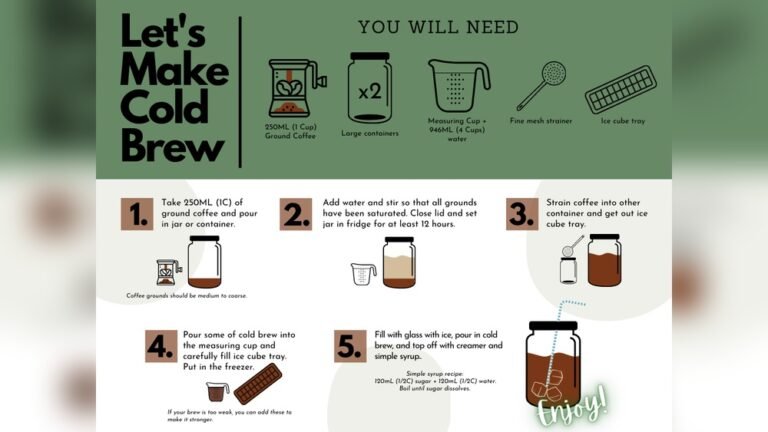
Start with the correct coffee to water ratio. Use one part coarsely ground coffee to four parts cold water. This balance ensures the coffee is neither too strong nor too weak. Adjust the ratio slightly to match your taste preferences.
Combining Coffee And Water
Place the ground coffee in a large container or jar. Pour cold or room temperature water over the coffee grounds. Stir gently to make sure all grounds are wet. This helps extract flavor evenly during steeping.
Steeping Time
Let the coffee steep for 12 to 24 hours at room temperature or in the fridge. Longer steeping produces a stronger, bolder flavor. After steeping, strain the coffee to remove the grounds. Store the cold brew in the fridge for up to two weeks.
Straining The Brew
Straining the cold brew is a crucial step. It separates the coffee grounds from the liquid. Proper straining results in a smooth, clean coffee without grit. Choosing the right method affects the taste and texture of your cold brew. Here are some easy and effective ways to strain your brew.
Straining Techniques
Many tools can strain cold brew coffee. The goal is to remove all coffee grounds. A fine mesh sieve, cheesecloth, or French press works well. Each method has its own benefits and ease of use. Pick one that fits your kitchen setup and patience level.
Using Cheesecloth Or Sieve
Cheesecloth is a soft, porous fabric perfect for fine straining. Place it over a large bowl or jar. Pour the coffee mixture slowly through the cloth. Let the liquid drain naturally without pressing. For faster straining, use a fine mesh sieve. You can line the sieve with a coffee filter or paper towel. This catches tiny coffee particles. Clean the cloth or sieve immediately after use to avoid stains and smells.
French Press Method
The French press can strain cold brew easily. After steeping, press the plunger down gently. This pushes the grounds to the bottom. Pour the clear coffee into another container. This method is quick and reduces cleanup. The French press keeps the coffee grounds compacted. It also prevents over-extraction and bitterness.
Storing Cold Brew
Proper storage keeps your cold brew fresh and tasty longer. Storing cold brew correctly preserves its flavor and aroma. It also prevents spoilage and contamination. Knowing the best containers and refrigeration methods helps maintain quality. Understanding the shelf life tells you how long it stays good to drink.
Storage Containers
Use airtight containers to keep cold brew fresh. Glass jars or bottles are ideal for storage. Plastic containers can work but may absorb odors. Avoid metal containers, which can alter the flavor. Choose containers with tight-fitting lids to prevent air exposure. Clean the container well before pouring the cold brew.
Refrigeration Tips
Always store cold brew in the refrigerator. Keep the temperature between 34°F and 40°F (1°C to 4°C). Store cold brew away from strong-smelling foods. This prevents the coffee from absorbing unwanted odors. Place the container on a shelf, not in the door. The temperature in the door fluctuates more, reducing freshness.
Shelf Life
Cold brew coffee lasts about 1 to 2 weeks in the fridge. For best taste, consume within 7 days. After one week, the flavor may start to weaken. Watch for any changes in smell or taste. If it smells sour or off, discard it. Keeping cold brew tightly sealed helps extend its shelf life.
Serving Suggestions
Cold brew coffee offers a smooth and rich flavor that shines best with the right serving choices. Serving suggestions help you enjoy your cold brew just how you like it. Experimenting with dilution, milk, sweeteners, and flavor additions can enhance your coffee experience. These tips will guide you to serve cold brew that fits your taste perfectly.
Dilution Options
Cold brew concentrate is strong and bold. Diluting it softens the taste and makes it easier to drink. Use cold water to keep the flavor fresh and crisp. The usual ratio is one part concentrate to one part water. Adjust the amount based on how strong you want your coffee. Try sparkling water for a fizzy twist. This adds a refreshing lift without changing the flavor.
Milk And Sweetener Choices
Milk adds creaminess and balances bitterness in cold brew. Use dairy like whole milk or cream for richness. Plant-based milk such as almond, oat, or soy offers a lighter, nutty flavor. Sweeteners make cold brew taste smooth and slightly sweet. Simple syrup dissolves quickly in cold drinks. Honey or maple syrup add natural sweetness and depth. Adjust sweetness to your liking, pouring slowly and tasting as you go.
Creative Flavor Additions
Add flavors to make cold brew unique and fun. Vanilla extract or cinnamon gives warm and cozy notes. Cocoa powder or chocolate syrup turns your coffee into a mocha treat. A splash of caramel sauce adds a sweet, buttery taste. Fresh mint leaves or a slice of orange peel bring a refreshing twist. Try adding ice cubes made from coffee for a chill without dilution.
Troubleshooting
Troubleshooting your cold brew coffee helps improve every batch. Small changes can make a big difference in taste and texture. Understanding common issues lets you fix them fast.
Adjusting Strength
Too weak? Add more coffee grounds next time. Use a 1:4 coffee-to-water ratio for stronger brew. Let it steep longer, up to 24 hours. Too strong? Dilute with water or milk before drinking.
Avoiding Bitterness
Bitterness comes from over-extraction or fine grounds. Use coarse coffee grounds only. Keep steeping time between 12 and 24 hours. Use cold or room temperature water, not hot. Filter carefully to remove all coffee particles.
Improving Flavor
Fresh coffee beans give better taste. Store beans airtight in a cool, dark place. Experiment with different bean types for unique flavors. Add a pinch of salt or cinnamon for smoothness. Chill the cold brew before serving to enhance flavor.
:max_bytes(150000):strip_icc()/Simply-Recipes-Cold-Brew-Coffee-LEAD-16-428691bcdd594281b2f5dc6dbc8235e4.jpg)
Credit: www.simplyrecipes.com
Tips For Perfect Cold Brew
Creating the perfect cold brew coffee requires attention to detail. Small adjustments can change the flavor and smoothness. Follow these tips to improve your cold brew experience.
Measuring By Weight
Use a kitchen scale for accuracy. Measure coffee and water by weight, not volume. A common ratio is 1:8 coffee to water. This method ensures consistent strength every time. Avoid guessing with spoons or cups.
Optimizing Steep Time
Steeping time affects flavor extraction. Aim for 12 to 24 hours of steeping. Shorter times create milder coffee. Longer times bring out stronger, bolder notes. Experiment within this range to find your favorite taste.
Choosing Coffee Beans
Select fresh, high-quality beans for best results. Medium or dark roasts work well for cold brew. They offer rich, smooth flavors. Avoid light roasts, as they can taste sour or grassy. Grind beans coarsely to prevent bitterness.
Credit: athome.starbucks.com
How Smart Kitchen Connect Can Help You with How to Make Cold Brew Coffee
Enhancing Your Cold Brew Experience Through Practical Learning
Mastering cold brew coffee is not just about following a recipe—it’s an opportunity to explore and refine your brewing skills. As you familiarize yourself with the brewing process and straining the brew, consider experimenting with different grind sizes and brewing times to discover what suits your palate best.
- Try adjusting the coffee grind coarseness to see how it impacts extraction and flavor clarity.
- Practice the straining step using various tools, like a fine-mesh sieve or cheesecloth, to understand their effects on sediment and smoothness.
- Explore storing techniques that maintain freshness while fitting your daily routine.
For tech-savvy home chefs, integrating smart kitchen tools can streamline these steps, aligning with Smart Kitchen Connect’s mission to make cooking smarter and more efficient. If you encounter any hurdles or want to deepen your knowledge, reaching out via admin@snartkitchenconnect.com can provide helpful insights tailored to your cold brew journey.
Frequently Asked Questions
How Do You Make Cold Brew Coffee At Home?
Grind coffee coarsely. Mix with cold water in a jar. Steep 12–24 hours in fridge. Strain through cheesecloth or sieve. Serve over ice, dilute to taste. Store concentrate refrigerated.
What Is The Ratio Of Coffee To Water For Cold Brew?
Use a ratio of 1:4 or 1:5 coffee to water for cold brew. Adjust strength by diluting concentrate before serving.
What’s The Difference Between Cold Brew And Iced Coffee?
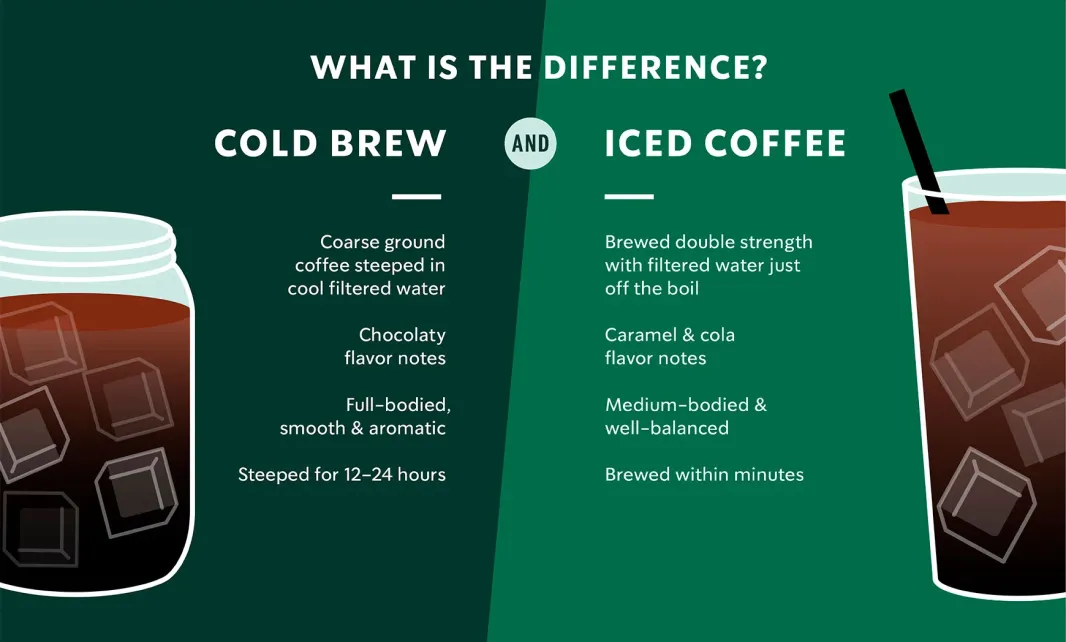
Cold brew steeps coffee grounds in cold water for 12-24 hours, producing smooth, less acidic coffee. Iced coffee brews hot coffee, then chills it quickly over ice, retaining a bolder, sharper flavor.
Can I Make Cold Brew Out Of Any Coffee?
Yes, you can make cold brew with any coffee type. Coarse grinding suits cold brew best for smooth flavor extraction.
Conclusion
Cold brew coffee is simple and rewarding to make at home. Use coarse coffee grounds and cold water for best flavor. Let it steep slowly to create a smooth taste. Strain carefully to remove all grounds before storing. Keep your cold brew in the fridge for up to two weeks.
Serve over ice and add milk or sweetener if you like. Enjoy a refreshing, easy coffee drink anytime you want. Making cold brew yourself saves money and lets you control the taste. Try it today and enjoy a fresh, cool coffee experience.