
Imagine waking up craving a fresh cup of coffee, only to realize your coffee maker isn’t working or you don’t have one at all. What do you do?
You don’t have to skip your morning ritual or settle for instant coffee. You can still enjoy a rich, satisfying brew using simple tools you already have at home. You’ll discover easy, practical ways to make coffee without a coffee maker.
Whether you want to impress guests, save money, or just love experimenting, these methods will give you that perfect cup every time. Keep reading, and soon you’ll be your own barista—no fancy machine needed.
Credit: europeancoffeetrip.com
Pour-over Method
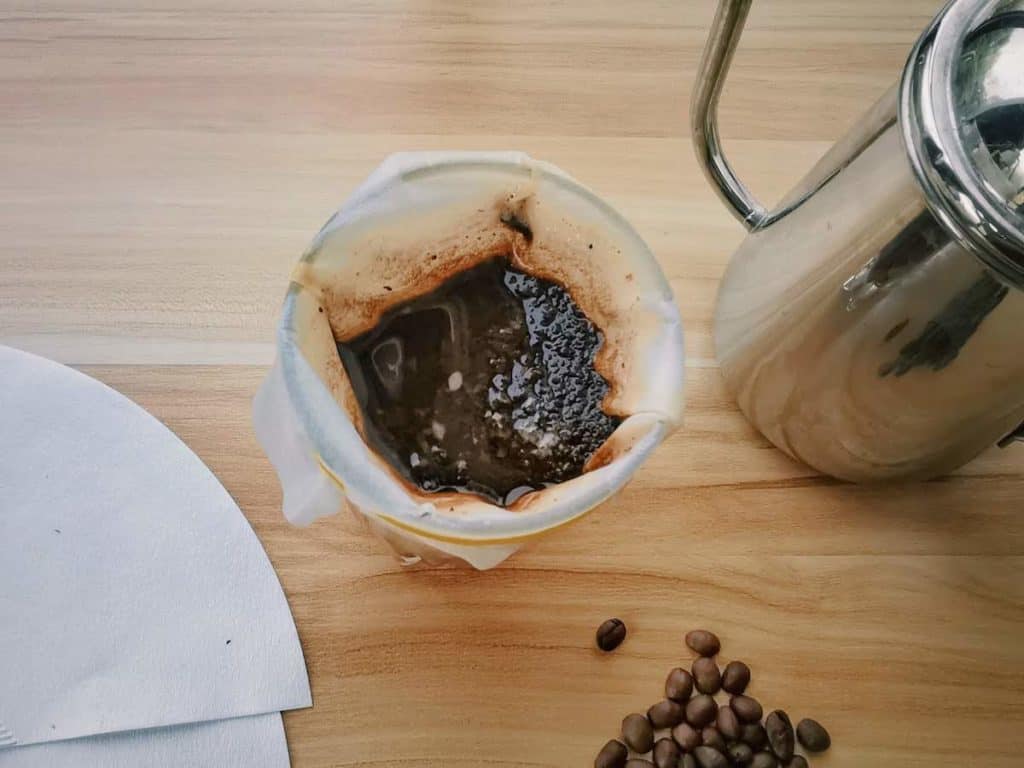
The pour-over method offers a simple way to make coffee without a coffee maker. It uses a slow, controlled pouring of hot water over coffee grounds. This process extracts flavors evenly and produces a clean, balanced cup. You only need basic tools and patience to try it at home.
Choosing The Right Grounds
Use medium to medium-coarse coffee grounds for pour-over brewing. Too fine grounds can clog your filter and slow the flow. Too coarse grounds may result in weak coffee. Freshly ground beans work best for rich flavor. Measure about one to two tablespoons of grounds per cup.
Creating A Diy Filter
If you lack a paper filter, try using a clean cloth or a fine mesh sieve. You can also fold a paper towel to fit as a filter. Make sure it fits snugly over your cup or container. Place the filter carefully to avoid grounds slipping into your coffee. Rinse the filter with hot water to remove paper taste and warm your cup.
Pouring Technique
Heat water to just below boiling, around 200°F (93°C). Start by pouring a small amount of water over the grounds to let them bloom. Wait about 30 seconds for the coffee to release gases. Then, pour water slowly in circular motions to cover all grounds evenly. Keep pouring until you reach the desired coffee amount. Let the water drain fully before removing the filter.
Cowboy Coffee
Cowboy coffee is a simple way to brew coffee without special equipment. It uses just coffee grounds, hot water, and a pot or kettle. This method dates back to the American West, where cowboys brewed coffee over an open fire. The result is a strong, bold cup with some grounds settling at the bottom. The process is straightforward and works well outdoors or at home.
Steeping Process
Start by boiling water and letting it cool slightly for about 30 seconds. Add coffee grounds directly to the hot water. Stir gently to mix the grounds evenly. Let the coffee steep for 4 to 5 minutes. This allows the water to extract flavors from the coffee grounds. Avoid boiling the water while brewing to prevent bitterness.
Settling Grounds
After steeping, remove the pot from heat. Let the coffee sit for a minute or two. This helps the coffee grounds settle to the bottom. Pour the coffee slowly to avoid stirring up the grounds. Pouring carefully keeps the liquid clear and smooth. Wait until the grounds settle before serving.
Straining Tips
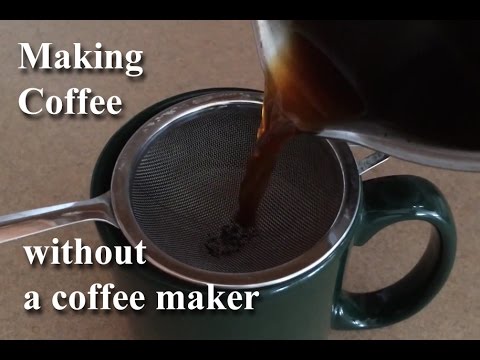
Use a fine mesh strainer or a clean cloth to strain the coffee. Pour the coffee through the strainer into your cup. This stops most grounds from getting into the cup. If no strainer is available, pour slowly and stop before the last bit. This leaves the grounds behind in the pot. Straining makes drinking cowboy coffee easier and cleaner.
Using A French Press Alternative
Using a French press alternative is a great way to make coffee without a coffee maker. It lets you enjoy rich, full-flavored coffee with simple tools. Many kitchen items can mimic the French press method. This section explains how to imitate the pressing action, filter the coffee, and serve it well.
Imitating The Pressing Action
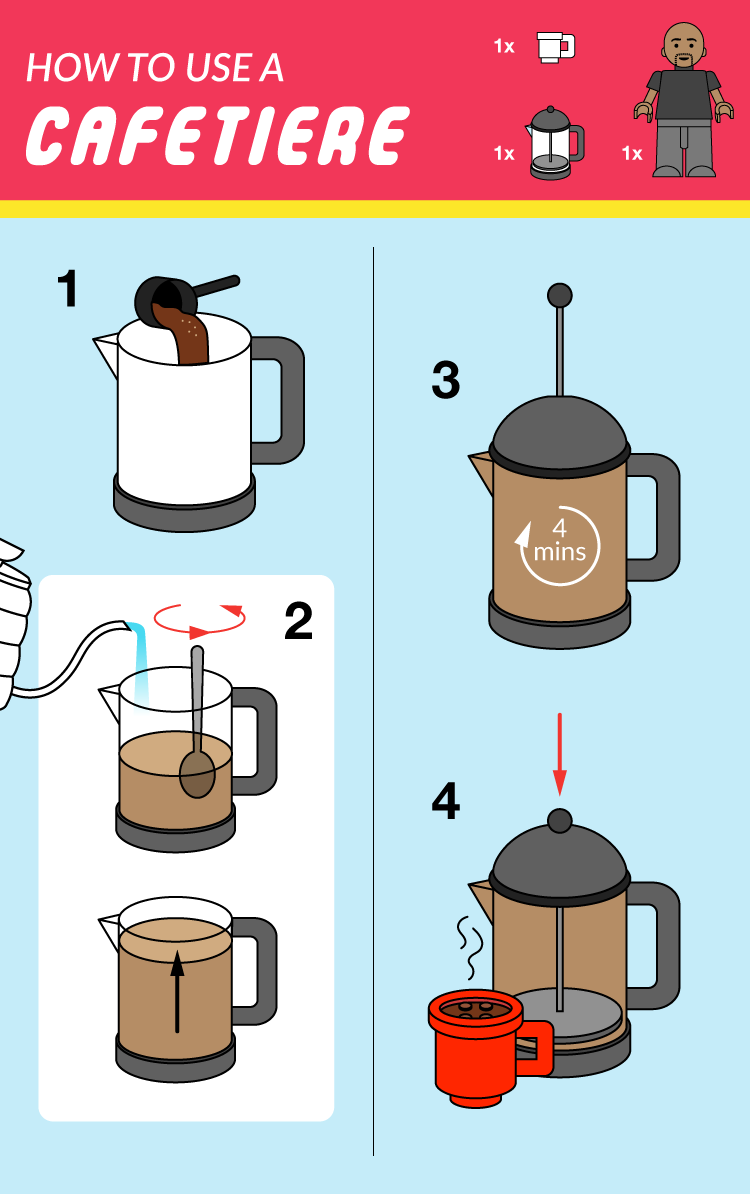
You need to separate the coffee grounds from the liquid. A clean jar or a heat-safe container works well. After adding hot water to the grounds, stir and let it steep for 4 minutes. Use a spoon or a small plate to press the grounds gently downward. This slows the grounds from mixing with the coffee when pouring.
Filtering Without A Press
Without a plunger, filtering coffee is possible with other tools. Pour the brewed coffee slowly through a fine mesh strainer or a clean cloth. This traps the coffee grounds and keeps the liquid clear. Repeat the filtering if you want a cleaner cup. Paper towels can also act as a filter in a pinch.
Serving Suggestions
Serve your coffee hot for the best taste. Add milk, sugar, or spices like cinnamon to enhance flavor. Pour into your favorite mug and enjoy immediately. Using a French press alternative gives a handcrafted feel to your coffee. It’s simple, fresh, and satisfying every time.
Cold Brew At Home
Cold brew coffee is a smooth, less acidic option for coffee lovers. It does not require hot water or a coffee maker. You only need coffee grounds, cold water, and some patience. Making cold brew at home lets you enjoy fresh coffee anytime, without special equipment.
Coffee-to-water Ratio
Use a ratio of 1 part coffee to 4 parts water for strong cold brew. For a lighter taste, try 1 to 5 or 1 to 6. Coarse ground coffee works best for cold brew. It helps extract flavor slowly and prevents bitterness.
Steeping Time
Steep the coffee grounds in cold water for 12 to 24 hours. The longer it steeps, the stronger the flavor. Keep the mixture in the fridge or at room temperature. Stir once or twice during steeping to mix the grounds well.
Straining Methods
After steeping, strain the coffee to remove grounds. Use a fine mesh sieve or cheesecloth for best results. Another option is a coffee filter or a clean cloth. Strain slowly to avoid spilling and ensure a smooth brew.
Microwave Coffee
Microwave coffee offers a quick and easy way to enjoy your cup without special equipment. It uses simple steps and common kitchen items. This method is perfect for anyone without a coffee maker. The process involves preparing coffee grounds, heating water safely, and combining both to brew a fresh cup. Follow these simple steps to make microwave coffee at home.
Preparing Grounds
Start with fresh coffee grounds. Use medium grind for best results. Measure about one to two tablespoons per cup. Place the grounds directly into a microwave-safe mug. Avoid instant coffee for this method. Fresh grounds provide richer flavor and aroma.
Heating Water Safely
Pour cold water into a microwave-safe container. Heat the water in the microwave for about one to two minutes. Watch carefully to avoid overheating. Do not let the water boil vigorously. Hot, but not boiling, water protects coffee taste. Let it sit for a few seconds after heating.
Combining And Brewing
Slowly pour hot water over the coffee grounds in the mug. Stir gently to mix grounds and water. Let the coffee steep for three to five minutes. Steeping time affects strength and flavor. After steeping, wait for grounds to settle at the bottom. Drink carefully or use a spoon to avoid grounds.
Using A Cloth Filter
Using a cloth filter offers a simple and natural way to brew coffee without a coffee maker. This method lets you enjoy fresh coffee with minimal tools. A cloth filter works by holding the coffee grounds while allowing the brewed coffee to pass through. It creates a smooth cup with less sediment than some other methods.
Selecting Suitable Fabric
Choose a clean, thin, and tightly woven cloth. Cotton or linen works best for filtering coffee. Avoid synthetic fabrics that may add unwanted flavors. The fabric should be fine enough to hold coffee grounds but allow liquid to flow easily. Cut the cloth into a square or circle, about 6 to 8 inches wide. Make sure it fits well over your cup or pot.
Brewing Steps
Place the cloth filter over a mug or pot. Secure it with a rubber band or string if needed. Add two tablespoons of ground coffee onto the cloth. Slowly pour hot water, about 200°F (just off boil), over the grounds. Pour in a circular motion to wet all grounds evenly. Let the coffee steep for 3 to 4 minutes. Remove the cloth carefully, letting the coffee drip back into the cup. Your coffee is ready to enjoy.
Cleaning And Reuse
Rinse the cloth filter immediately after use with hot water. Avoid using soap as it can leave a residue. Hang the cloth to dry completely to prevent mold. Wash the filter by boiling it occasionally to remove oils and odors. Store it in a clean, dry place. A well-maintained cloth filter can last for months, making it an eco-friendly option.
Tips For Better Taste
Making coffee without a coffee maker can be simple and enjoyable. The taste depends on a few key factors. Paying attention to these tips helps you brew a better cup. Here are some important points to keep in mind.
Water Temperature Control
Use water just below boiling point, about 195-205°F (90-96°C). Boiling water can burn coffee grounds. This causes bitterness and harsh flavors. Let boiling water sit for 30 seconds before pouring. This small step improves the flavor greatly.
Choosing Coffee Grind Size
Use a coarse grind for steeping methods like cowboy coffee. Fine grinds can create a muddy, bitter taste. Coarse grounds allow better water flow and extraction. This leads to a cleaner, smoother cup. Match the grind size to your brewing style.
Avoiding Grit And Residue
Let coffee grounds settle before drinking. Pour slowly to keep grounds in the cup. Use a fine mesh sieve or cloth to strain coffee if possible. This removes most of the grit. Clean coffee tastes smoother and feels better on the palate.
Credit: www.youtube.com
Credit: www.caffesociety.co.uk
How Smart Kitchen Connect Can Help You with How to Make Coffee Without a Coffee Maker
Practical Learning Through Coffee-Making Techniques
Exploring ways to make coffee without a coffee maker offers a fantastic hands-on opportunity to deepen your understanding of brewing methods. For instance, mastering the pour-over method not only sharpens your pouring skills but also teaches precision in water temperature and timing—key factors for extracting balanced flavors. Meanwhile, trying the cowboy coffee method encourages resourcefulness, as you learn to brew directly over heat, which can be especially useful during outdoor adventures or power outages.
Additionally, experimenting with a French press alternative can enhance your appreciation for immersion brewing and coffee texture. These practical experiences align well with Smart Kitchen Connect’s mission to make cooking smarter and more efficient, as they encourage adaptability and innovative thinking in the kitchen. Should you want to explore more tips or troubleshoot your brew, reaching out to admin@smartkitchenconnect.com can provide helpful insights tailored to your coffee journey.
Frequently Asked Questions
Can I Just Pour Hot Water On Ground Coffee?
Yes, you can pour hot water on ground coffee. Let it steep, then carefully separate grounds before drinking to avoid grit.
How To Make Coffee Old Fashioned Way?
To make coffee the old-fashioned way, boil water, add ground coffee, stir, and let it steep for 4 minutes. Then, pour carefully to avoid grounds.
How To Make Coffee At Home Without Equipment?
Add ground coffee to a cup. Pour hot (not boiling) water over it. Let steep for 4 minutes. Slowly pour into another cup, leaving grounds behind. Enjoy your homemade coffee without equipment.
Can You Turn Ground Coffee Into Instant Coffee?
You cannot turn ground coffee into instant coffee at home. Instant coffee requires industrial freeze-drying or spray-drying processes. Ground coffee needs brewing and cannot dissolve instantly like instant coffee.
Conclusion
Making coffee without a coffee maker is simple and rewarding. Just hot water, coffee grounds, and a bit of patience can do the trick. Let the grounds steep, then pour carefully or strain to avoid grit. Adjust water temperature to prevent bitterness.
This method may produce a milder taste but still delivers a warm, satisfying cup. Enjoy your coffee anytime, anywhere, without extra tools. Give it a try and discover your perfect brew!