

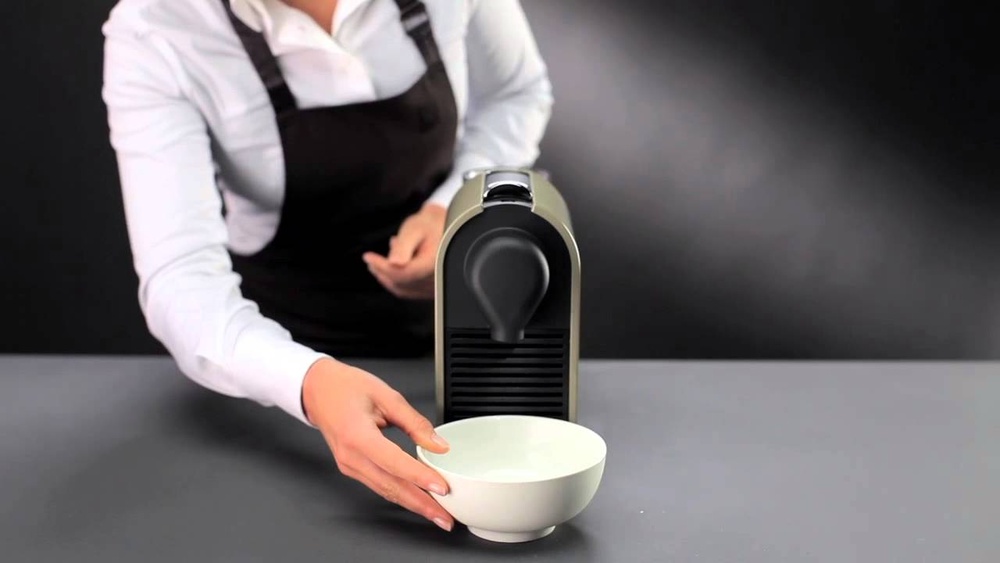
If you want your espresso machine to keep brewing rich, flavorful coffee every day, descaling is a must. Over time, minerals from water build up inside your machine, blocking water flow and ruining the taste of your espresso.
Ignoring this can lead to costly repairs or even a broken machine. But don’t worry—descaling your espresso machine is easier than you think. In this guide, you’ll discover simple, step-by-step methods to remove scale buildup safely and effectively. Keep reading, and you’ll learn how to protect your investment and enjoy perfect espresso with every cup.
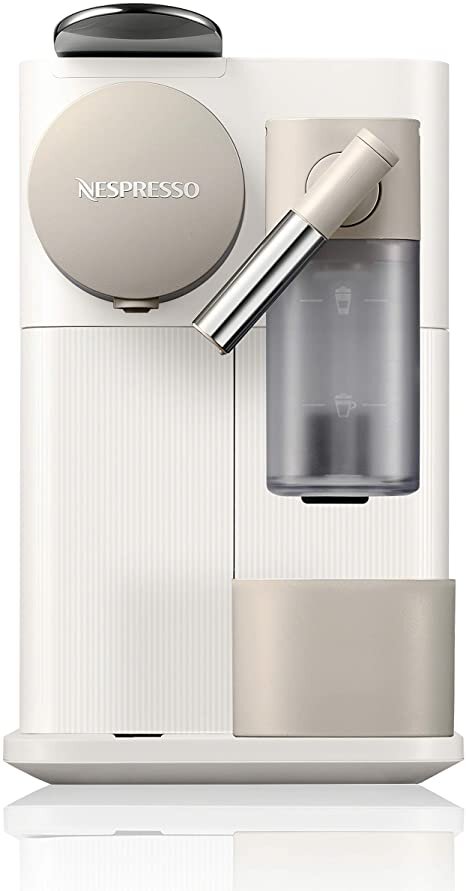
Credit: artizancoffee.com
Why Descale Matters
Descaling your espresso machine is vital for keeping it in good shape. Scale forms from minerals in water. These minerals build up inside the machine over time. Removing scale helps keep your espresso tasting great. It also protects your machine from damage. Let’s explore why descaling truly matters.
Effects Of Scale On Coffee Taste
Scale changes the water flow inside your machine. This affects the extraction of coffee flavors. Your espresso may taste bitter or flat. The rich aroma and smooth texture can weaken. Scale blocks water from heating properly. Your coffee may come out too hot or too cold. Regular descaling keeps your coffee fresh and balanced.
Machine Longevity And Performance
Scale buildup can clog pipes and valves. This forces the machine to work harder. Over time, this stress can cause breakdowns. Heating elements covered in scale may burn out faster. Descaling prevents damage and keeps your machine running smoothly. It also saves you money on repairs and replacements. A clean machine lasts longer and performs better.
Signs Your Machine Needs Descaling
Knowing when to descale your espresso machine helps keep it working well. Regular descaling removes mineral build-up from inside the machine. This build-up can slow down your machine and affect your coffee’s taste. Watch for signs that show your espresso machine needs descaling soon.
Slower Brewing Time
Your espresso machine may take longer to brew coffee. Water flows slower through the machine. This happens because limescale blocks the water pipes. Slow brewing means the machine needs cleaning inside. Descaling restores the normal flow of water.
Unusual Noises
Listen for strange sounds during brewing. Grinding, hissing, or rattling noises can appear. These sounds often mean the machine is working harder. Limescale buildup puts pressure on parts inside. Descaling reduces noise by clearing the blockages.
Change In Coffee Flavor
Your coffee may taste bitter or different than usual. Mineral deposits affect the water quality. This changes how the coffee extracts flavors from the grounds. If the taste suddenly worsens, it is time to descale. Clean machines make better-tasting coffee.
Choosing The Right Descaling Solution
Choosing the right descaling solution is key to keeping your espresso machine in top shape. The build-up of limescale can damage the machine and affect the coffee taste. Using the correct product helps protect the internal parts and extends the machine’s life. Not all solutions work the same, so understanding the options is important for effective cleaning.
Commercial Descalers Vs Home Remedies
Commercial descalers are made specifically for espresso machines. They remove limescale quickly and safely. These products often contain acids that break down mineral deposits without harming the machine’s parts.
Home remedies like baking soda or lemon juice are cheap alternatives. They work slower and may not fully clean hard scale. Some can even leave residue or damage seals. For regular maintenance, commercial descalers offer better results and peace of mind.
Why Avoid Vinegar
Vinegar is a common household cleaner but not ideal for descaling espresso machines. It has a strong smell that can stay inside the machine and affect coffee taste. Vinegar’s acidity can also corrode metal parts over time. This damage might lead to costly repairs or shorten the machine’s life.
Using vinegar risks leaving behind a bad odor and flavor. It is safer to use products designed for espresso machines to avoid these issues.
Benefits Of Citric Acid
Citric acid is a natural and gentle option for descaling. It effectively dissolves limescale without harsh chemicals. Many commercial descalers contain citric acid because it cleans well and is safe for machine parts.
Citric acid is easy to use and does not leave strong smells. It also rinses away quickly, so there is no aftertaste. Using citric acid helps maintain your machine’s performance and keeps your coffee tasting fresh.
Preparing Your Espresso Machine
Preparing your espresso machine before descaling is a key step. It helps ensure the process is effective and safe. Taking time to get the machine ready prevents damage. It also makes the descaling smoother and quicker.
Emptying Water Reservoir
Start by removing the water reservoir from the machine. Pour out any water left inside. Rinse the reservoir to remove loose debris. Dry it with a clean cloth or let it air dry. This prevents old water mixing with the descaling solution.
Removing Portafilter And Accessories
Take off the portafilter from the group head. Remove any coffee grounds stuck inside. Wash the portafilter and filter basket with warm water. Detach other accessories like steam wand tips or drip trays. Clean them well to avoid blockages during descaling.
Step-by-step Descaling Process
Descaling your espresso machine regularly keeps it working smoothly. This process removes mineral buildup that blocks water flow. Follow these simple steps to descale your machine safely and effectively. Each step ensures your coffee tastes fresh and the machine lasts longer.
Mixing The Solution
Start by preparing the descaling solution. Use a commercial descaler or a citric acid mix. Follow the product instructions for correct water-to-solution ratio. Pour the mixture into the water reservoir. Avoid using vinegar as it may damage the machine.
Running The Descale Cycle
Turn on your espresso machine and begin the descale cycle. If your machine has a descaling program, activate it now. Otherwise, run the solution through the machine as if brewing coffee. Repeat until the reservoir is empty. This flushes out all limescale from the internal parts.
Flushing With Clean Water
After descaling, rinse the water tank thoroughly. Fill it with fresh clean water only. Run several brew cycles with just water. This removes any leftover descaling solution taste or residue. Your espresso machine is now clean and ready to use.
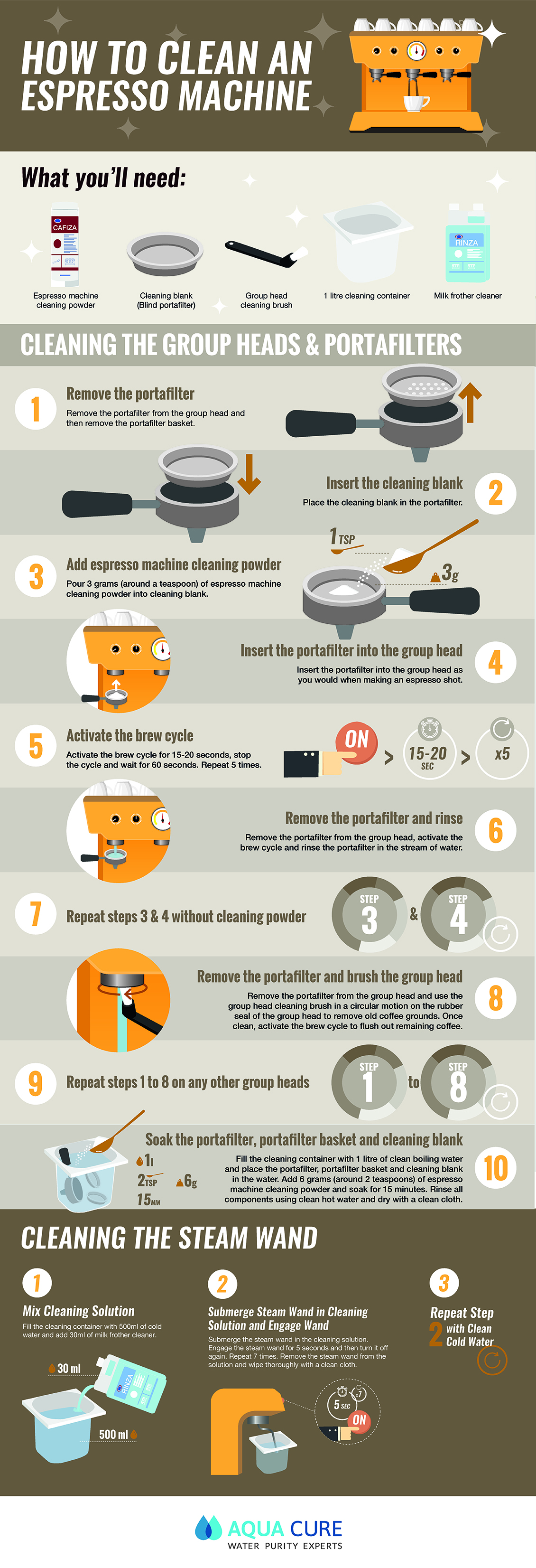
Credit: www.aquacure.co.uk
Descaling Different Machine Types
Descaling an espresso machine keeps it working well and extends its life. Different machine types need different descaling methods. Knowing the right way to descale your specific machine helps avoid damage and keeps your coffee tasting great.
Single Boiler Machines
Single boiler machines heat water in one chamber for brewing and steaming. Descaling these machines is simple. Use a descaling solution mixed with water and run it through the brew cycle. Let the solution sit inside the boiler for about 15 minutes. Then, flush the machine with clean water to remove any residue.
Heat Exchange Boilers
Heat exchange boilers have separate chambers for brewing and steaming. These machines need careful descaling to protect the heat exchanger. Run the descaling solution through the brew group only, not the steam wand. After descaling, flush the system with fresh water several times. This keeps the boiler and heat exchanger clean and safe.
Automatic Vs Manual Machines
Automatic machines often have built-in descaling programs. Follow the machine’s instructions and use the recommended descaling products. Manual machines require more hands-on work. Fill the water tank with the solution and run it through the machine manually. Always rinse well to remove all descaling agents. This prevents bad tastes and protects the machine parts.
Post-descaling Maintenance Tips
After descaling your espresso machine, proper maintenance keeps it working well. These steps help your machine last longer and brew better coffee. Follow these tips to avoid future build-up and keep your espresso fresh.
Regular Cleaning Schedule
Clean your espresso machine often to prevent dirt and oils from building up. Wipe the steam wand after each use. Empty and rinse the drip tray daily. Deep clean the portafilter and baskets weekly. A clean machine helps maintain good taste and machine health.
Using Filtered Water
Use filtered water to reduce minerals that cause scale. Tap water often contains hard minerals that build up inside your machine. Filtered water lowers the chance of limescale forming. This means less frequent descaling and a smoother coffee flavor.
Checking For Build-up
Look inside your machine regularly for signs of scale or residue. Check the group head, steam wand, and water reservoir. Remove any visible deposits with a soft brush or cloth. Early cleaning stops build-up from becoming a problem. This keeps your espresso machine working well for a long time.
Troubleshooting Common Issues
Descaling an espresso machine keeps it working well and improves coffee taste. Sometimes problems happen during descaling. These issues can stop the process or leave your machine with bad flavors.
Knowing how to fix these common problems saves time and frustration. Here are simple ways to solve three frequent issues.
Residual Taste Or Odor
A sour or strange taste often means leftover descaling solution. Rinse the machine thoroughly with clean water several times. Run plain water through the system to clear out any residue. Avoid using vinegar as it can cause strong odors. Use a food-safe descaling product instead. Let the machine air out for a few hours before brewing again.
Machine Not Entering Descale Mode
Some machines need specific steps to start descaling mode. Check the user manual for the exact method. Usually, it involves pressing buttons in a certain order. Make sure the water tank is full and the machine is powered on. If it still won’t enter descale mode, unplug the machine and try again after a minute. Resetting the machine can fix minor errors.
Incomplete Descaling
Sometimes limescale remains after descaling. This happens if the solution is too weak or the process is too short. Use the right amount of descaling solution as the instructions say. Let the solution sit inside the machine for at least 15 minutes. Run the descaling cycle fully without interruption. Repeat the process if heavy scale still appears.
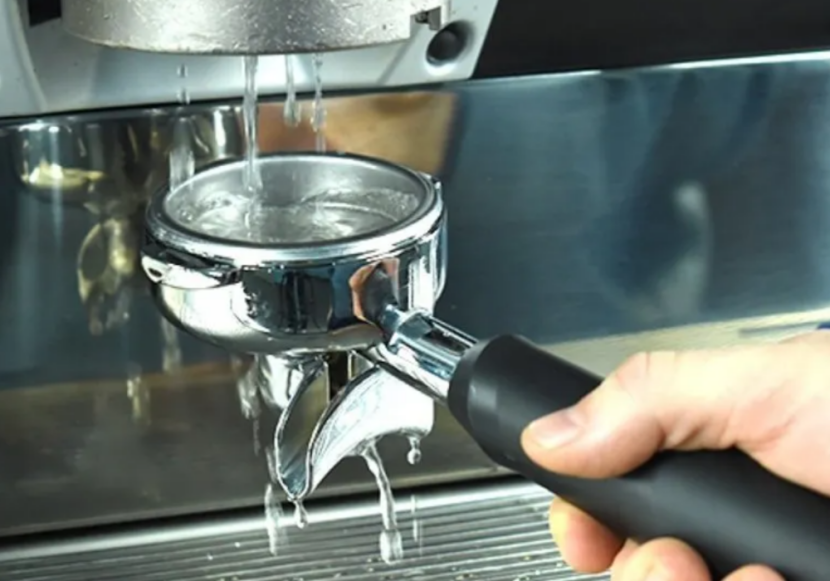
Credit: mywirsh.com
How Smart Kitchen Connect Can Help You with How to Descale Espresso Machine
Practical Learning Through Descaling Your Espresso Machine
Understanding the importance of descaling not only keeps your espresso machine running smoothly but also offers a practical opportunity to deepen your hands-on kitchen skills. By recognizing the signs your machine needs descaling, you become more attuned to its maintenance needs, ensuring longevity and optimal performance. Preparing your machine and following a step-by-step descaling process helps build confidence in handling smart kitchen appliances, aligning with Smart Kitchen Connect’s mission to make cooking easier and more efficient.
- Experiment with different descaling solutions to find what works best for your machine type.
- Integrate post-descaling maintenance tips into your routine to prevent future buildup.
- Document your process to refine and streamline future cleaning sessions.
For any questions or troubleshooting, reaching out to knowledgeable communities or experts—such as those connected through Smart Kitchen Connect—can provide valuable insights. You can also email admin@smartkitchenconnect.com for guidance tailored to your espresso machine and smart kitchen setup.
Frequently Asked Questions
How Do I Descale My Espresso Machine At Home?
Fill the water tank with a descaling solution or citric acid mix. Run a brew cycle. Rinse thoroughly with clean water. Repeat if necessary. Regular descaling prevents limescale buildup and maintains espresso quality. Avoid vinegar to protect your machine’s components and flavor.
Can Vinegar Be Used To Descale An Espresso Machine?
Vinegar can damage espresso machine parts and leave a strong odor. Use a manufacturer-recommended descaling solution instead for safe, effective cleaning.
Is Descaling Solution Better Than Vinegar?
Descaling solutions work better than vinegar. They effectively remove limescale without damaging machine parts or leaving odors.
How To Remove Limescale From Espresso Machine?
To remove limescale, dissolve citric acid in water and run a brew cycle. Rinse thoroughly with clean water. Use descaling solutions made for espresso machines for best results. Avoid vinegar to prevent damage and odors. Repeat regularly to maintain machine performance.
Conclusion
Regular descaling keeps your espresso machine working well. It removes buildup that can harm taste and performance. Use the right descaling solution to protect your machine. Follow the steps carefully to avoid damage. Clean water rinses out any leftover solution.
Doing this often saves money on repairs. Enjoy fresh, flavorful espresso every time. Simple care makes a big difference in coffee quality. Keep your machine clean and your coffee great.