
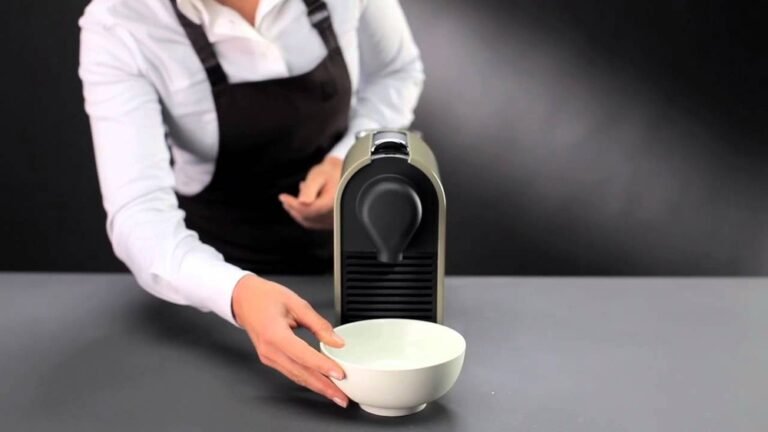
If you love your espresso machine, keeping it in top shape is key to enjoying rich, flavorful coffee every time. Over time, mineral deposits build up inside your machine, slowing it down and dulling the taste of your espresso.
That’s where descaling comes in. But how do you descale your espresso machine effectively without causing damage or wasting time? In this guide, you’ll discover simple, step-by-step instructions to remove scale buildup safely and keep your machine running like new.
Plus, you’ll learn why some popular home remedies like vinegar might do more harm than good—and what better options you have. Ready to make your espresso taste as fresh as the first cup? Let’s get started!
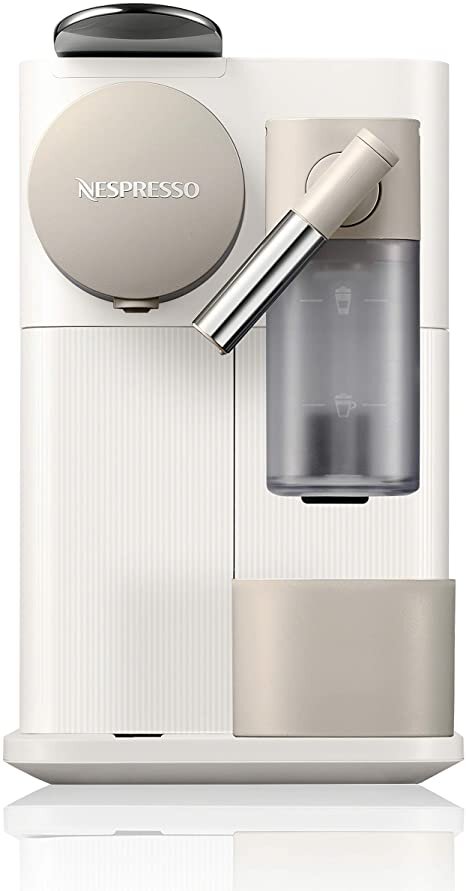
Credit: artizancoffee.com
Importance Of Descaling
Descaling an espresso machine is essential for maintaining its performance and quality. Over time, minerals from water build up inside the machine. This buildup affects how the machine works and the taste of your coffee. Regular descaling removes these deposits. It keeps your espresso machine running smoothly and preserves the flavor of your coffee.
Impact On Coffee Taste
Mineral deposits change the water flow and temperature. This affects extraction during brewing. Coffee may taste bitter or flat. Descaling removes scale, restoring clean water flow. Your coffee will taste fresh and rich again.
Machine Longevity
Scale buildup strains the machine’s parts. It makes the pump and heating element work harder. This can cause damage and shorten the machine’s life. Descaling protects these parts and keeps your machine durable. It helps avoid costly repairs.
Signs Your Machine Needs Descaling
Watch for slow water flow or unusual noises. Coffee may drip slowly or unevenly. The machine might take longer to heat. You may see white or yellow deposits inside. These signs mean it is time to descale your espresso machine.
When To Descale
Knowing when to descale your espresso machine keeps it working well. Scale buildup harms the machine and changes coffee taste. Regular descaling removes mineral deposits inside the machine. This helps maintain coffee quality and machine life. Timing depends on several factors, so watch for signs of scale.
Recommended Frequency
Most experts suggest descaling every 1 to 3 months. This depends on how often you use the machine. Daily use may require monthly descaling. Less frequent use can extend this to every three months. Check your machine’s manual for specific advice. Some machines have alerts to signal when to descale.
Factors Affecting Descale Timing
Water hardness is a major factor. Hard water has more minerals and causes faster scale buildup. Soft water means less frequent descaling. Machine usage also matters. More coffee means more water passing through. This speeds up scale formation. Environmental factors like location and water source affect timing too. Keep an eye on coffee taste and machine performance. These signs often indicate it is time to descale.
Choosing Descaling Solutions
Choosing the right descaling solution is important for keeping your espresso machine clean and working well. Different solutions have different strengths and effects on your machine. Using the best option helps remove limescale efficiently and protects your machine’s parts. Below are some common descaling solutions and tips on what to avoid.
Commercial Descalers
Commercial descalers are made specifically for coffee machines. They dissolve limescale fast and safely. Most brands offer easy-to-use liquids or tablets. These products often come with clear instructions for your espresso machine. Using commercial descalers can save time and reduce damage risks. They also leave no bad taste or smell after rinsing.
Citric Acid Powder
Citric acid powder is a natural and affordable option. It works well to break down limescale buildup. You can mix it with water and run it through the machine. Citric acid is gentle on machine parts but strong enough to clean thoroughly. It does not leave strong odors or flavors. Many home users prefer it for regular descaling.
Why Avoid Vinegar
Vinegar is a common home remedy but not ideal for espresso machines. Its strong smell and taste can stay in your machine for a long time. Vinegar is less effective at removing limescale than commercial products or citric acid. It can also damage rubber seals and metal parts over time. Using vinegar may require many rinses and still leave residue behind.
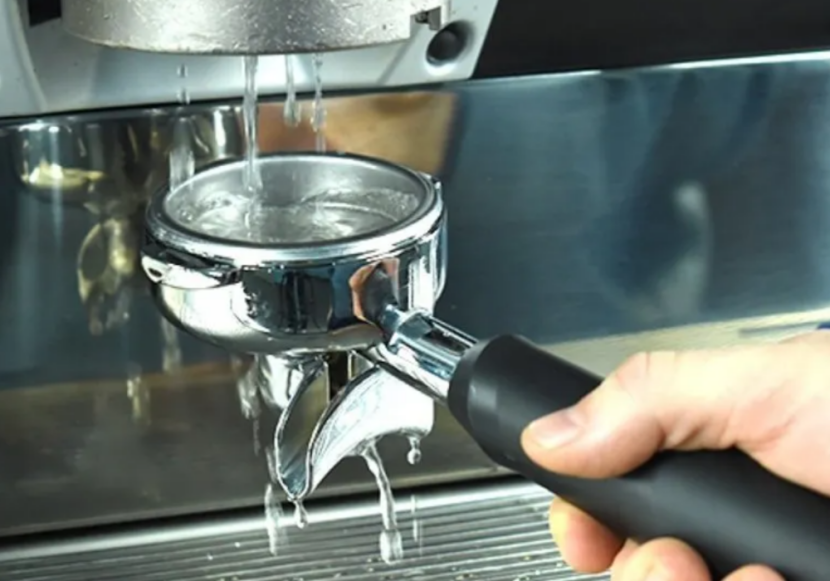
Credit: mywirsh.com
Preparation Steps
Preparing your espresso machine for descaling is a crucial first step. Proper preparation ensures the process runs smoothly and protects your machine from damage. Follow these simple preparation steps to get started.
Emptying The Machine
Turn off your espresso machine and unplug it from the power source. Remove any coffee pods or grounds from the portafilter. Empty the drip tray and the water reservoir completely. This clears out old water and coffee residue. It prevents mixing with the descaling solution. Wipe the machine’s exterior with a clean cloth to remove dust.
Gathering Supplies
Collect all necessary items before you begin. You will need a descaling solution suitable for espresso machines. Use a commercial descaler or a recommended homemade alternative. Have a clean container ready to catch the water during the rinse cycle. Use fresh water for refilling the reservoir after descaling. Keep a soft cloth or sponge nearby for cleaning after the process.
Descaling Process
Descaling an espresso machine keeps it working well and extends its life. The process removes mineral build-up inside the machine. These minerals can block water flow and affect coffee taste. A simple, regular descaling routine helps maintain the best coffee flavor and machine performance.
Filling The Water Tank
Start by emptying the water tank. Pour the descaling solution into the tank. Use the right amount suggested by the product instructions. Then, fill the tank with clean water to dilute the solution. Place the tank back securely in the machine.
Running The Descale Cycle
Turn on the espresso machine. Select the descaling program if available. If not, run a few brewing cycles without coffee grounds. Let the descaling solution flow through the machine. This cleans internal parts like the boiler and pipes.
Rinsing The Machine
After the descaling solution finishes, empty the water tank. Rinse the tank well with fresh water. Fill it again with clean water only. Run several cycles to flush out any leftover solution. This step prevents bad taste and protects the machine.
Special Considerations
Descaling an espresso machine requires care beyond just following basic steps. Different machines and materials need unique attention. Ignoring these can cause damage or reduce machine lifespan. Knowing special considerations helps keep your espresso machine working well and tasting great.
Different Machine Types
Espresso machines vary by design and heating system. Some use boilers, others use thermoblocks. Boilers heat water in a tank, while thermoblocks heat water on demand. Each type needs different descaling methods. Boiler machines require full descaling cycles. Thermoblocks need shorter, gentler cycles. Check your machine’s manual for correct instructions. Using wrong methods can harm internal parts or cause poor performance.
Handling Aluminum Boilers
Aluminum boilers need extra caution during descaling. Harsh acids can corrode aluminum quickly. Use descalers that are safe for aluminum parts. Avoid strong chemicals like vinegar or citric acid in high amounts. Mild, manufacturer-approved descaling solutions protect the boiler. Rinse the machine thoroughly after descaling to remove all residue. This prevents corrosion and keeps your machine safe.
Protecting Rubber Seals
Rubber seals keep your espresso machine airtight and leak-free. Strong descaling agents can damage these seals over time. Use gentle descalers to avoid drying or cracking seals. After descaling, run clean water cycles to wash away acids. Regular maintenance helps seals last longer. Replace seals if they show signs of wear or damage. Protecting seals preserves machine pressure and coffee quality.
Maintenance Tips
Maintaining your espresso machine is key to enjoying rich and smooth coffee every day. Regular care prevents scale buildup and keeps the machine running efficiently. Simple habits protect your investment and improve coffee taste.
Regular Cleaning Routine
Clean your espresso machine after each use. Remove coffee grounds and wipe the portafilter and group head. Flush hot water through the machine to clear any leftover coffee oils. Weekly, clean the drip tray and water reservoir. Monthly, perform a deep clean using a specialized espresso machine cleaner. This keeps internal parts free from residue and ensures better water flow.
Water Quality Advice
Use filtered or bottled water to reduce mineral buildup. Hard water causes faster scale formation inside the machine. Avoid tap water with high calcium or magnesium levels. Soft water or water with low mineral content extends the time between descaling. Check your water hardness regularly and adjust your maintenance schedule accordingly.

Credit: caffenu.com
Troubleshooting
Troubleshooting your espresso machine after descaling helps keep it working well. Descaling removes mineral buildup, but small problems can still appear. Knowing how to fix these issues saves time and keeps your coffee tasting great.
Check your machine carefully after descaling. Some common problems are easy to solve at home. Others may need expert help. Read on to learn about these issues and when to call a professional.
Common Issues After Descaling
Your espresso machine might show some signs of trouble after descaling. Water might flow slowly or not at all. This could mean leftover scale is blocking pipes. Try running a clean water cycle to clear it out.
Strange tastes or smells can happen if the descaling solution was not rinsed fully. Run several water-only cycles to remove any residue. If the machine leaks, check that all parts are tight and in place. Loose seals can cause drips.
Sometimes, the machine might not turn on or work properly. This could be a sign of electrical or mechanical issues. Make sure the machine is unplugged before inspecting or cleaning any parts. Always follow the user manual for safety.
When To Seek Professional Help
Contact a technician if your machine still has problems after basic fixes. Persistent blockages, leaks, or power failures need expert attention. Trying to fix these yourself can cause more damage.
Regular maintenance by professionals can extend your espresso machine’s life. They can clean hard-to-reach parts and replace worn components. If your machine is under warranty, professional service might be required for repairs.
When unsure about any issue, it is best to get expert advice. This prevents costly repairs and keeps your coffee machine safe to use.
How Smart Kitchen Connect Can Help You with How to Descale Espresso Machine
Practical Learning Through Descaling Your Espresso Machine
Understanding how to descale your espresso machine opens the door to hands-on learning that enhances your kitchen skills. By following the preparation steps and descaling process carefully, you not only maintain the machine’s performance but also gain insight into the importance of regular upkeep. Recognizing when to descale based on usage patterns helps you develop a proactive maintenance routine, reducing troubleshooting issues later.
For tech-savvy home chefs, integrating smart kitchen solutions can streamline this process. Exploring innovative tools and methods, like those shared by Smart Kitchen Connect, allows you to approach descaling with a practical, informed mindset. Should you encounter any unique challenges or need further clarification, reaching out to knowledgeable resources—such as admin@snartkitchenconnect.com—can provide valuable guidance without overwhelming technical jargon.
Embracing descaling as a learning opportunity transforms routine maintenance into a way to better understand your appliance, ensuring each cup of espresso is brewed to perfection.
Frequently Asked Questions
How Do I Descale My Espresso Machine At Home?
To descale your espresso machine, fill the tank with a descaling solution. Run the brew cycle, then rinse thoroughly with clean water. Repeat if needed. Avoid vinegar; use commercial descalers or citric acid for best results. Always follow your machine’s manual instructions.
Can I Use Vinegar To Descale My Espresso Machine?
Vinegar can damage rubber seals and aluminum parts in espresso machines. It leaves a strong odor and taste. Use commercial descalers or citric acid instead for safe, effective cleaning. Always follow your machine’s manual for the best descaling method.
Is Descaling Solution Better Than Vinegar?
Descaling solutions work faster and protect machine parts better than vinegar. Vinegar may leave odors and damage seals. Use commercial descalers or citric acid for safe, effective cleaning.
How To Remove Limescale From Espresso Machine?
Remove limescale by running a descaling solution through the machine’s water reservoir. Use commercial descalers or citric acid for best results. Avoid vinegar as it can damage parts and leave odors. Rinse thoroughly with clean water after descaling to ensure no residue remains.
Conclusion
Regular descaling keeps your espresso machine working well. It removes buildup that affects taste and performance. Use recommended descaling products for safe cleaning. Avoid vinegar to prevent damage and bad odors. Follow the steps carefully and rinse thoroughly. Clean machines brew better coffee every time.
Make descaling part of your routine for lasting results. Your espresso will taste fresh and smooth again. Simple care helps your machine last longer. Enjoy great coffee with less hassle.