

Are you tired of waiting for your eggs to cook on the stove? What if you could have a hot, delicious egg ready in just minutes?
Cooking eggs in the microwave is fast, easy, and perfect for busy mornings or quick snacks. You’ll learn simple steps to make scrambled, poached, or even omelets using your microwave. Keep reading, and you’ll discover tips that save you time and help you enjoy eggs exactly how you like them—without any hassle.
Your next perfect egg is just a few clicks away!
Choosing The Right Eggs
Choose eggs that are fresh and clean for the best taste. Fresh eggs hold their shape well when cooked in the microwave. Avoid cracked eggs, as bacteria can enter. Use eggs labeled as “grade A” or “large” for consistent cooking times. Room temperature eggs cook more evenly than cold eggs straight from the fridge. If eggs are cold, let them sit out for 10 minutes before cooking. Check the shell for any dirt or stains and rinse gently if needed. Fresh eggs have a firm yolk and thick white, which helps prevent overcooking. Using good eggs makes microwaving easier and safer.
Microwave-safe Tools
Use only microwave-safe bowls or containers to cook eggs. Glass or ceramic works best. Avoid metal or plastic that is not labeled microwave-safe. These can melt or catch fire. A small microwave-safe plate or cup also works well.
Choose tools with a lid or cover to stop splatters. A microwave-safe cover lets steam escape safely. This helps eggs cook evenly and keeps the microwave clean.
Always check for microwave-safe labels on containers. If unsure, test the container by heating water inside for 30 seconds. If it gets hot, do not use it for eggs.
Preparing Eggs For Microwaving
Beaten eggs cook quickly and evenly in the microwave. Beat them well with a fork or whisk before microwaving. Use a microwave-safe bowl and cover it loosely to avoid splatters. Stir halfway through cooking for best results.
Whole eggs need special care. Pierce the yolk gently with a fork or toothpick to stop them from bursting. Cook in short bursts and check often to avoid overcooking. Use a microwave-safe dish with a lid or cover.
Egg whites cook faster than yolks. Separate them carefully and place in a microwave-safe bowl. Cover loosely and cook in short intervals. Stir gently between intervals for even cooking.
:max_bytes(150000):strip_icc()/272293-Fluffy-Microwave-Scrambled-Egg-mfs-168-1-51c2403006ff417b9d3478fb4af38b37.jpg)
Credit: www.allrecipes.com
Cooking Techniques
Scrambled eggs cook fast in the microwave. Beat eggs with a little milk or water. Cook for 30 seconds, stir, then cook again for 20-30 seconds. Repeat until eggs are fluffy and cooked.
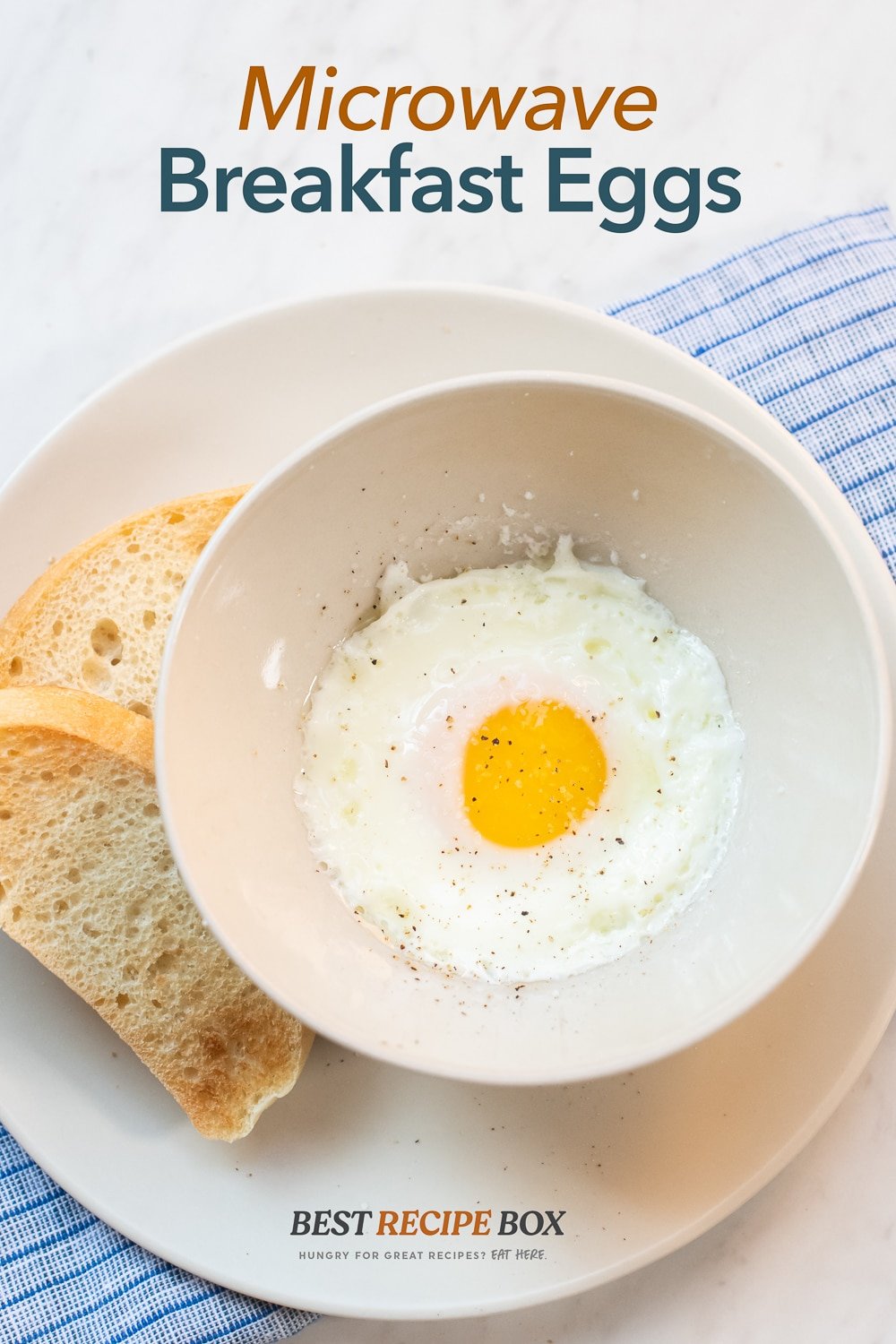
Poached eggs need a bowl with water. Crack an egg into a microwave-safe bowl filled with water. Cover with a plate. Cook for about 1 minute. The egg white will be firm, and yolk soft.
For an omelette, beat eggs and pour into a microwave-safe dish. Add fillings like cheese or veggies. Microwave for 1-2 minutes. Fold and serve warm.
Egg mug recipes mix eggs with ingredients in a mug. Cook in short bursts, stirring each time. Great for quick breakfasts with cheese, ham, or vegetables.
Microwave Settings And Timing
Microwave power levels affect how eggs cook. Use medium or medium-high power to avoid overcooking. High power can make eggs rubbery or dry quickly.
Cooking times vary by microwave wattage and egg type. For scrambled eggs, start with 45 seconds, then check. For poached eggs, 50-60 seconds is common. Adjust time by 10 seconds as needed.
Stopping and stirring helps cook eggs evenly. Pause halfway through cooking to stir scrambled eggs. This stops hot spots and keeps texture soft. For other egg types, gently check doneness before continuing.
Credit: bestrecipebox.com
Tips For Perfect Eggs
Eggs can explode in the microwave if not prepared right. Pierce the yolk and white with a fork to let steam escape. Use a microwave-safe cover or paper towel to avoid messes. Cook eggs in short bursts of 15 to 20 seconds, stirring or checking often.
Microwaves cook unevenly. Stir or rotate eggs halfway through cooking. This helps heat spread and prevents cold spots. Use medium or medium-low power for better results. Avoid overcooking to keep eggs soft and tender.
Flavor can be added before or after cooking. Sprinkle salt, pepper, or herbs on eggs. Mix in cheese, chopped veggies, or cooked meats for tastier eggs. Use small amounts of milk or water to make eggs fluffier.
Common Mistakes To Avoid
Avoid cooking eggs in the microwave without stirring. Eggs cook unevenly this way, causing hot spots. These hot spots can cause eggs to explode. Always pierce the yolk or beat the eggs before cooking.
Using a covered container is important. Covering traps steam and cooks eggs evenly. Leaving eggs uncovered can dry them out quickly.
Do not cook eggs on too high power. High power cooks eggs too fast and unevenly. Use medium or medium-low settings for best results.
Cooking eggs for too long is a common mistake. Overcooked eggs become rubbery and lose flavor. Check eggs often and stop cooking once firm.
Avoid using metal containers in the microwave. Metal reflects microwaves and can cause sparks or fire. Use microwave-safe glass or plastic bowls.
:max_bytes(150000):strip_icc()/272293-fluffy-microwave-scrambled-eggs-DDMFS-4x3-5b0c4f0fc5b4464e8ba1d1886667631e.jpg)
Credit: www.allrecipes.com
How Smart Kitchen Connect Can Help You with How to Cook Eggs in the Microwave
Practical Learning with Microwave Egg Cooking
Understanding how to cook eggs in the microwave opens up practical opportunities to experiment with different cooking techniques and timing settings. For example, once you’ve mastered preparing eggs with the right microwave-safe tools, you can explore variations like scrambled or poached eggs by adjusting cooking time and power levels. This hands-on approach not only enhances your kitchen skills but also helps you appreciate the importance of precise microwave settings to avoid common mistakes like overcooking or uneven texture.
Integrating smart kitchen solutions into this process, as Smart Kitchen Connect emphasizes, can further streamline your cooking experience. Utilizing innovative gadgets designed for microwave use ensures safety and efficiency, aligning well with a tech-forward cooking style. For those curious about optimizing their method or troubleshooting challenges, reaching out to knowledgeable resources can be beneficial. Feel free to contact admin@smartkitchenconnect.com for practical tips or guidance on making your microwave egg-cooking efforts even smarter and more consistent.
Frequently Asked Questions
How Long To Cook Eggs In The Microwave?
Microwave eggs for 45 seconds to 1 minute on high. Stir halfway for even cooking. Adjust time based on egg quantity and microwave power.
Can I Microwave Scrambled Eggs Safely?
Yes, scramble eggs in a microwave-safe bowl. Cook for 30 seconds, stir, then cook another 30 seconds. Avoid overcooking to prevent rubbery texture.
What’s The Best Way To Microwave An Egg?
Pierce the yolk before microwaving to prevent bursting. Use a microwave-safe container and cover loosely. Cook on medium power to avoid overcooking.
How To Avoid Rubbery Eggs In The Microwave?
Cook eggs in short intervals and stir often. Use medium or low power settings. Overcooking causes rubbery texture, so monitor closely.
Conclusion
Cooking eggs in the microwave saves time and effort. It offers a quick way to enjoy a healthy meal. You can make scrambled, poached, or even omelets easily. Just follow simple steps and use safe containers. Be careful not to overcook to keep eggs soft.
This method suits busy mornings or quick snacks. Try it today and enjoy fresh eggs fast. Easy, fast, and no mess. Perfect for everyone who wants a simple egg dish.