
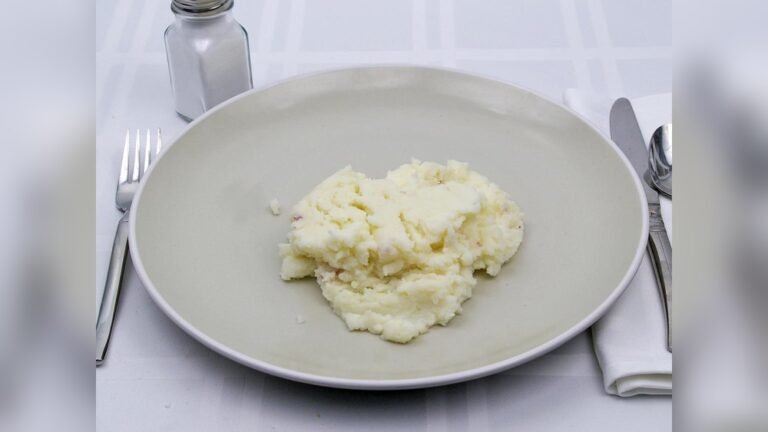
Are you curious about how many calories are in your favorite comfort food—mashed potatoes? Whether you’re watching your diet or just want to know what you’re putting on your plate, understanding the calorie content can make a big difference.
Mashed potatoes may seem simple, but the calories can add up quickly depending on how they’re made. Keep reading to discover the surprising facts about mashed potatoes and how you can enjoy them without guilt. This guide will help you make smarter choices for your meals and stay on track with your health goals.
Calories In Basic Mashed Potatoes
A typical serving of basic mashed potatoes is about 1 cup or 210 grams. This serving usually contains around 210 calories. The calorie count can change based on what you add, such as butter, milk, or cream. Plain mashed potatoes made with just potatoes and a bit of salt have fewer calories.
| Potato Type | Calories per 1 cup (mashed) |
|---|---|
| Russet Potato | 210 calories |
| Yukon Gold Potato | 200 calories |
| Red Potato | 180 calories |
Russet potatoes tend to be higher in calories due to their starch content. Yukon Gold potatoes have a slightly buttery flavor and fewer calories. Red potatoes usually have the lowest calories and a creamy texture.
Credit: www.reddit.com
Impact Of Added Ingredients
Butter and cream add rich flavor but increase calories. A tablespoon of butter adds about 100 calories. Cream adds about 50 calories per tablespoon. Using less butter or cream lowers the calorie count.
Cheese and sour cream also raise calories. Cheese adds protein but about 110 calories per ounce. Sour cream adds about 60 calories per tablespoon. Both make mashed potatoes creamy and tasty.
Herbs and seasonings like parsley, garlic, and pepper add flavor without calories. They make the dish fresh and healthy. Using herbs is a smart way to boost taste without extra calories.
Comparing Homemade Vs Store-bought
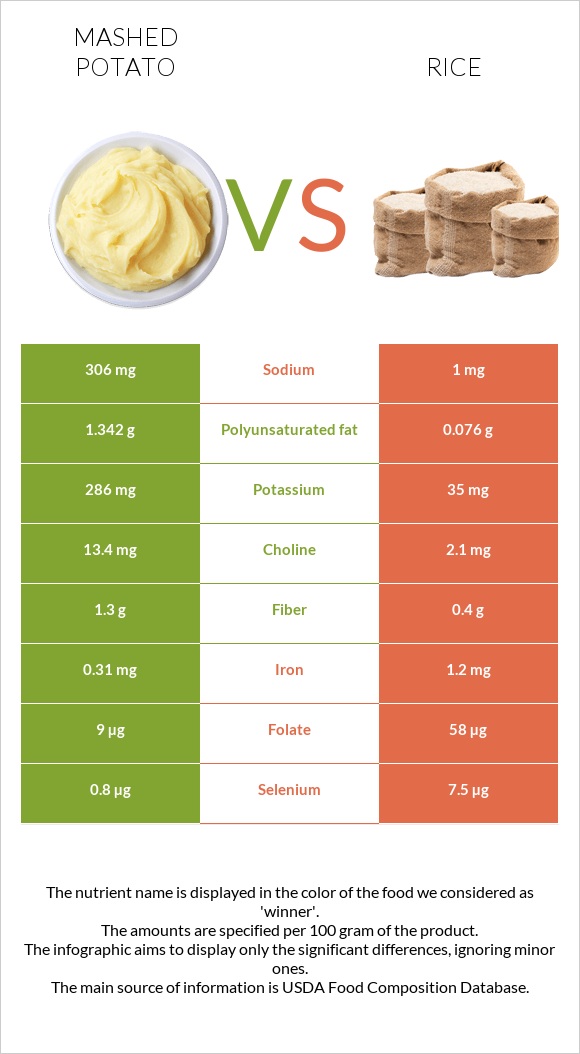
Homemade mashed potatoes usually have fewer calories than store-bought. This is because you control the ingredients. Using butter, milk, or cream affects the calorie count. Store-bought versions often contain extra preservatives and additives that can add calories without you knowing.
Store-bought mashed potatoes may have more salt and sugar. These ingredients increase calories and affect taste. Homemade mashed potatoes let you choose healthier options and adjust flavors.
| Type | Average Calories (1 cup) | Common Additives |
|---|---|---|
| Homemade | 150-200 | Butter, milk, salt |
| Store-Bought | 200-300 | Preservatives, sugar, salt |
Credit: foodstruct.com
Healthier Mashed Potato Options
Using low-fat dairy like skim milk or yogurt can cut calories in mashed potatoes. These options keep the creamy texture but reduce fat content. Butter can be replaced with small amounts of olive oil for a healthier taste.
Adding vegetables such as cauliflower or carrots into mashed potatoes boosts fiber and vitamins. These veggies blend smoothly and add natural sweetness. This mix lowers calories and increases nutrition.
Trying alternative cooking methods like steaming or baking potatoes before mashing helps keep more nutrients. Avoid frying or heavy cream to make the dish lighter. This way, mashed potatoes stay tasty but less heavy.
Mashed Potatoes In Different Diets
Mashed potatoes can fit into many diets with small changes. For a low-calorie diet, use less butter and cream. Choose low-fat milk or broth instead. This cuts calories but keeps the creamy feel.
Keto and low-carb diets need fewer carbs. Swap potatoes for cauliflower to lower carbs. Mash cooked cauliflower with butter and cream for a similar taste and texture.
Vegan and dairy-free versions replace butter and milk with plant-based options. Use olive oil or vegan margarine. Unsweetened almond or soy milk works well to keep creaminess without dairy.
Tracking Calories Effectively
Nutrition labels on mashed potato packages show calories per serving. Check the serving size first to avoid mistakes. Serving sizes often differ by brand and type. Look for calories, fat, and carbs to track intake well.
Estimating homemade mashed potatoes can be tricky. Use a kitchen scale for accuracy. One cup of homemade mashed potatoes has about 200 calories. Remember, adding butter or cream raises calories a lot.
| Portion Size | Calories (approx.) |
|---|---|
| 1/2 cup | 100 |
| 1 cup | 200 |
| 1 tablespoon butter | 100 |
| 1/4 cup cream | 100 |
Keep portions consistent. Use measuring cups or spoons. This helps track calories more accurately. Small changes in ingredients can change calories fast.

Credit: bluejayrx.com
How Smart Kitchen Connect Can Help You with How Many Calories in Mashed Potatoes
Practical Learning Opportunities with Mashed Potato Calories
Understanding the calories in mashed potatoes opens the door to practical learning in kitchen efficiency and nutrition tracking. For example, experimenting with different ingredients helps you see firsthand how additions like butter or cream impact the calorie count, reinforcing the “Impact of Added Ingredients” topic. Trying homemade recipes versus store-bought options also offers insight into both flavor and nutritional differences, which ties back to “Comparing Homemade vs Store-Bought.”
For those interested in smart cooking, integrating technology can enhance these learning experiences. Using kitchen gadgets or apps that assist with calorie tracking and portion control aligns with Smart Kitchen Connect’s mission to make cooking smarter and more efficient. This hands-on approach not only improves your culinary skills but also deepens your understanding of how mashed potatoes fit into various diets.
- Track ingredient variations and their calorie impact
- Compare nutritional labels with homemade calculations
- Utilize smart kitchen tools for precise measurements
For further tips or questions, reaching out to admin@smartkitchenconnect.com can provide additional guidance tailored to your cooking journey.
Frequently Asked Questions
How Many Calories Are In One Cup Of Mashed Potatoes?
One cup of mashed potatoes contains approximately 210 calories. This value may vary based on added ingredients like butter or cream. Plain mashed potatoes have fewer calories than richer recipes.
Does Adding Butter Increase Mashed Potatoes’ Calories?
Yes, adding butter significantly increases calorie content. One tablespoon of butter adds about 100 calories. Use less butter or substitutes to reduce calories.
Are Mashed Potatoes High In Carbohydrates?
Mashed potatoes are moderately high in carbohydrates, with around 35 grams per cup. They provide energy but should be eaten in moderation for low-carb diets.
How Do Cream And Milk Affect Mashed Potato Calories?
Using cream increases calories more than milk. Whole milk adds roughly 20-40 calories per half cup, while cream adds about 100 calories. Choose low-fat milk for fewer calories.
Conclusion
Mashed potatoes contain calories that vary by recipe. Simple mashed potatoes have fewer calories than versions with butter or cream. Watching portion size helps control calorie intake. Choosing lighter ingredients can make your dish healthier. Enjoy mashed potatoes as part of a balanced meal.
Small changes can make a big difference. Remember, calories matter but so does taste. Keep your meals both tasty and mindful.