
Have you ever made a big batch of mashed potatoes and wondered if you could save some for later? Freezing mashed potatoes might seem tricky because you want them to stay creamy and delicious, not watery or grainy.
The good news is—you can freeze mashed potatoes, and with the right steps, they’ll taste almost as fresh as when you first made them. If you want to avoid wasting leftovers and learn how to freeze and reheat mashed potatoes the right way, keep reading.
This guide will show you simple tips that anyone can follow to enjoy perfect mashed potatoes anytime you want.
:strip_icc()/BHG-Can-You-Freeze-Mashed-Potatoes-0nr9WgMMqxx9z8hNqxjyAh-f322163ac25949eea2e7c89556f8b03e.jpg)
Credit: www.bhg.com
Freezing Basics
Freezing mashed potatoes is simple with the right approach. Proper preparation keeps taste and texture close to fresh. Knowing which potatoes to choose and how to prepare them helps prevent common freezing issues. Cooling mashed potatoes before freezing stops ice crystals from forming. Follow these basics to freeze mashed potatoes successfully.
Best Potatoes For Freezing
Choose starchy potatoes like Russets or Yukon Golds. They mash smoothly and freeze well. Waxy potatoes can become gluey or watery after freezing. Starchy types hold their texture better once thawed. These potatoes create creamy mashed potatoes that freeze without losing quality.
Ideal Texture And Ingredients
Keep mashed potatoes slightly thicker than usual. Avoid making them too runny before freezing. Add extra butter, cream, or cream cheese to keep creaminess. These fats help prevent graininess after thawing. Avoid adding garlic or onions before freezing as they may turn slimy.
Cooling Before Freezing
Let mashed potatoes cool completely to room temperature. Warm potatoes create ice crystals in the freezer. Ice crystals cause watery texture and freezer burn. Store cooled potatoes in airtight containers or freezer bags. Remove as much air as possible to keep freshness.
Preparation Tips
Freezing mashed potatoes requires some preparation to keep their texture and flavor intact. Proper steps help maintain creaminess and prevent graininess after thawing. Follow these tips to prepare your mashed potatoes for freezing.
Adding Extra Fat
Mix extra butter, cream cheese, or heavy cream into your potatoes. This helps keep them creamy after freezing. Fat reduces the watery or grainy texture that may develop. Stir well to blend the fat evenly throughout the potatoes.
Portioning For Convenience
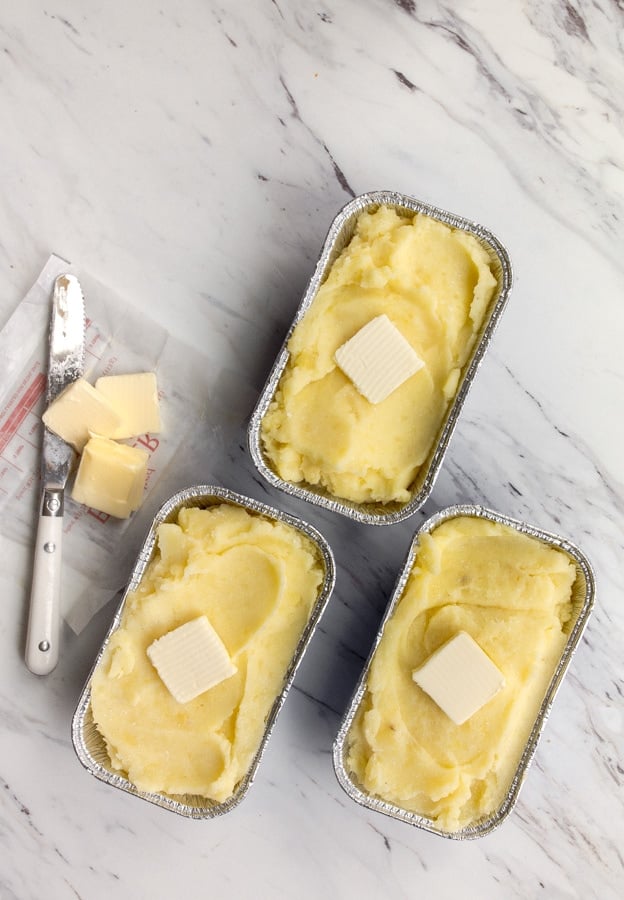
Divide mashed potatoes into meal-sized portions before freezing. This makes it easier to thaw only what you need. Use smaller containers or freezer bags for quick, convenient servings. Portioning saves time and reduces food waste.
Choosing Containers And Bags
Use airtight containers or freezer bags to store mashed potatoes. Remove as much air as possible to prevent freezer burn. Flatten bags to save space and speed up freezing. Clear containers help you see the contents at a glance.
Avoiding Common Issues
Freezing mashed potatoes is easy, but some common problems may affect their taste and texture. Knowing how to avoid these issues helps keep your potatoes creamy and delicious. Follow simple steps to prevent graininess, handle dairy and add-ins properly, and remove air before freezing.
Preventing Graininess
Grainy mashed potatoes happen when starches separate during freezing. Adding extra fat like butter or cream before freezing helps keep smooth texture. Make sure potatoes cool completely to avoid ice crystals forming. When reheating, stir gently and add a little milk or cream to restore creaminess.
Handling Dairy And Add-ins
Dairy ingredients can change texture after freezing. Cream cheese or butter freezes well but may separate if frozen too long. Avoid adding garlic, onions, or herbs before freezing as they can turn slimy. Instead, add these fresh after reheating for better flavor and texture.
Air Removal Techniques
Air exposure causes freezer burn and dryness. Use airtight containers or freezer bags to store mashed potatoes. Flatten bags to remove excess air before sealing. Press out air gently with hands or a straw. Proper sealing keeps potatoes fresh and tasty for months.
Freezing Process
Freezing mashed potatoes is a smart way to save time and reduce food waste. The freezing process helps keep your mashed potatoes fresh and ready to enjoy later. Proper steps during freezing keep the texture and flavor intact. Follow these simple tips to freeze mashed potatoes effectively.
Sealing And Storing
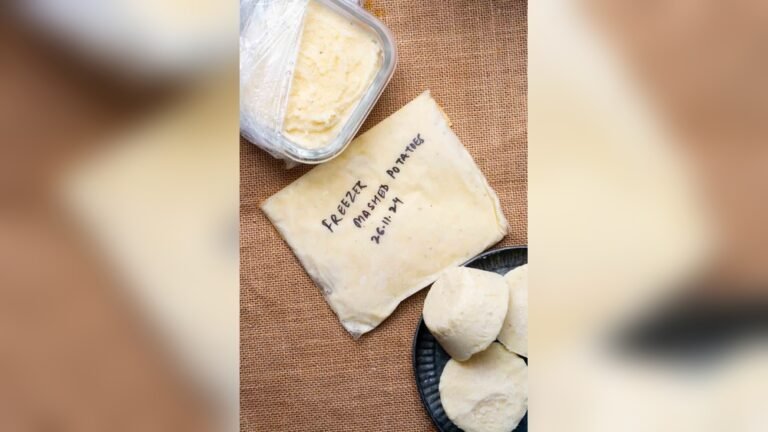
Cool mashed potatoes completely before freezing. Warm potatoes create ice crystals and soggy texture. Use airtight containers or heavy-duty freezer bags. Remove as much air as possible to prevent freezer burn. Flatten bags for quick freezing and easy storage. Small portions freeze faster and thaw evenly.
Freezer Storage Duration
Mashed potatoes stay good in the freezer for 2 to 3 months. Beyond this, quality and taste may decline. Use frozen mashed potatoes within this time for best flavor. Keep freezer temperature steady at 0°F (-18°C) or below. Avoid refreezing thawed mashed potatoes to maintain texture.
Labeling And Organizing
Label each container or bag with the date of freezing. Use clear labels to track storage time easily. Organize mashed potatoes in the freezer by date for quick access. Keep older portions in front to use first. Proper labeling and organization prevent waste and confusion.
Thawing Strategies
Thawing frozen mashed potatoes correctly helps keep their creamy texture. Choosing the right thawing method preserves flavor and reduces watery or grainy consistency. Here are two easy ways to thaw mashed potatoes safely and quickly.
Overnight Refrigerator Thawing
Place frozen mashed potatoes in the fridge the night before. This slow thaw allows even defrosting without temperature shocks. Keep potatoes in an airtight container or sealed bag to avoid moisture loss. By morning, they become soft and ready for gentle reheating. This method keeps the best texture and flavor.
Quick Thawing Options
Use the microwave on low power for a fast thaw. Stir every minute to avoid hot spots and uneven heating. Add a splash of milk or cream to restore creaminess while heating. Another option is to thaw in a warm water bath, keeping the container sealed. Quick thawing saves time but needs careful attention to avoid drying out the potatoes.
Reheating Methods
Frozen mashed potatoes need proper reheating to regain their creamy texture. Choosing the right reheating method helps avoid dryness or graininess. Below are some easy ways to warm your mashed potatoes.
Stovetop Reheating
Place mashed potatoes in a saucepan over low heat. Add a splash of milk, cream, or broth to keep them moist. Stir frequently to prevent sticking and ensure even heating. Heat slowly to avoid burning and maintain creaminess. This method works well for large portions and keeps potatoes smooth.
Microwave Tips
Put mashed potatoes in a microwave-safe bowl. Cover loosely with a microwave-safe lid or plastic wrap. Heat on medium power in short intervals of 30 seconds. Stir between intervals to distribute heat evenly. Add a little milk or butter if potatoes seem dry. This method is quick and convenient for small servings.
Using Instant Potato Flakes
Mix thawed mashed potatoes with instant potato flakes to improve texture. Sprinkle flakes gradually while stirring until you reach desired thickness. This helps absorb excess moisture and freshens the potatoes. Add butter or cream to enhance flavor and smoothness. It’s a handy trick for restoring frozen mashed potatoes.
Enhancing Flavor After Freezing
Freezing mashed potatoes can affect their taste and texture. Enhancing flavor after freezing brings them back to life. Simple steps restore their creamy, rich taste. Small touches make a big difference. Let’s explore how to make frozen mashed potatoes delicious again.
Adding Fresh Butter Or Cream
Fresh butter or cream adds richness and smoothness. Melt butter slowly into warm mashed potatoes. Pour cream little by little to reach the right texture. These fats improve flavor and mask any dryness. Use good-quality butter for the best taste. Heat gently to blend without separating.
Incorporating Herbs And Spices
Herbs and spices boost flavor and freshness. Try parsley, chives, or thyme for a fresh note. Garlic powder or black pepper add mild warmth. Add these after reheating to keep flavors strong. Avoid overpowering spices to keep the original taste. A small pinch can brighten the dish.
Avoiding Slimy Add-ons
Some ingredients become slimy after freezing. Fresh garlic, onions, or sour cream may change texture. Avoid adding these before freezing. Add them fresh after reheating instead. This keeps mashed potatoes smooth and tasty. Stick to stable ingredients for freezing success.

Credit: www.amodernhomestead.com
Bulk Prep And Meal Planning
Preparing mashed potatoes in large amounts saves time on busy days. Bulk prep fits perfectly with meal planning. Making and freezing mashed potatoes ahead gives you ready-to-eat meals anytime. It also reduces food waste and helps control portion sizes. Planning meals with freezer-friendly dishes keeps your kitchen organized and stress-free.
Batch Cooking Mashed Potatoes
Cook a big batch of mashed potatoes at once. Use plenty of butter and cream for a smooth texture. Let the potatoes cool completely before packing. Divide into portions that suit your meals. Pack in airtight containers or freezer bags. Flatten the bags to save freezer space. Label each pack with the date for easy tracking. Frozen mashed potatoes last about three months.
Freezer-friendly Meal Ideas
Use frozen mashed potatoes in many dishes. Reheat them as a side for meats or vegetables. Make shepherd’s pie by layering mashed potatoes over cooked meat and vegetables. Prepare potato pancakes by mixing thawed mash with eggs and flour. Add frozen mash to soups or stews for extra creaminess. Keep meals simple and fast with these ideas. Frozen mashed potatoes make meal planning easy and tasty.
Credit: www.dessertfortwo.com
How Smart Kitchen Connect Can Help You with Can You Freeze Mashed Potatoes
Practical Learning from Freezing Mashed Potatoes
Understanding how to freeze mashed potatoes offers more than just a way to extend leftovers—it’s a practical lesson in kitchen efficiency and smart meal planning. By focusing on preparation tips like cooling mashed potatoes completely before freezing and incorporating extra fat to maintain texture, you engage in techniques that improve both flavor and consistency after thawing.
These steps align closely with bulk prep strategies, which busy home chefs and tech-savvy individuals can benefit from to save time during hectic weeks. Thawing strategies, such as reheating on the stovetop with added liquid, reinforce the importance of adjusting cooking methods to maintain quality.
- Cooling completely before freezing to prevent ice crystals
- Adding cream or butter to enhance texture post-thaw
- Using stovetop reheating for even warming and creaminess
At Smart Kitchen Connect, we see these practices as part of smarter cooking routines that blend traditional wisdom with modern efficiency. For further questions or tips on freezing and reheating techniques, feel free to reach out at admin@smartkitchenconnect.com.
Frequently Asked Questions
Does Mashed Potatoes Freeze Well?
Yes, mashed potatoes freeze well. Cool completely, add extra butter or cream, store airtight, and reheat with added liquid for best texture.
Can You Freeze Mashed Potatoes Made With Milk And Butter?
Yes, you can freeze mashed potatoes made with milk and butter. Cool completely, store airtight, and reheat with extra liquid to restore creaminess.
How Do You Reheat Mashed Potatoes That Were Frozen?
Thaw frozen mashed potatoes overnight in the fridge. Reheat on the stovetop with milk or cream, stirring until smooth. Microwave in short bursts, stirring often. Add butter or cream to restore creaminess and sprinkle instant potato flakes to absorb excess liquid.
How To Freeze Mashed Potatoes Without Them Getting Watery?
Cool mashed potatoes completely before freezing. Add extra butter or cream to maintain creaminess. Store in airtight containers, removing air. Freeze in portions for convenience. Thaw overnight and reheat with milk or cream, stirring well to prevent watery texture.
Conclusion
Freezing mashed potatoes is a handy way to save leftovers. Cooling them fully before freezing keeps texture better. Adding butter or cream helps keep them creamy after thawing. Store in airtight containers to avoid freezer burn. Thaw slowly in the fridge for best results.
Reheat gently on the stove with a bit of milk. This simple process keeps mashed potatoes tasty and ready to enjoy anytime.