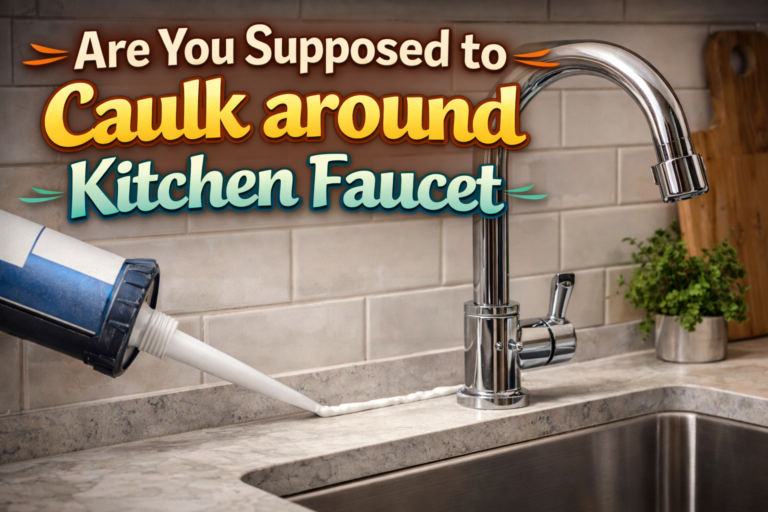
When you install a kitchen faucet, you might wonder if you should caulk around it. This question is very common for many homeowners. The answer is not very simple. It depends on the faucet type and the countertop surface.
What is Caulking?
Caulking means applying a soft, waterproof material. It fills small gaps and cracks. This helps stop water from leaking or going under the sink area. Caulk is often silicone or latex.
Why Caulk Around a Faucet?
Water can leak around the faucet base. This can cause damage to the countertop. Water may get under the sink or cabinet. Over time, this can cause mold and rot. Caulking can help keep water away from these spots.
When You Should Caulk Around Kitchen Faucet
If there is a visible gap between faucet and countertop, caulk is useful.
If your faucet does not have a rubber gasket or seal, caulk can help.
If you want extra protection to keep water off your countertop.
If your countertop is made of granite or stone, special caulk or putty may be needed.
When You Should Not Caulk Around Kitchen Faucet
If your faucet came with a rubber seal or gasket, no need to caulk.
If the faucet is mounted with plumber’s putty under the base, caulk may not be needed.
If the countertop and faucet fit tightly with no gaps.
If caulking could block water drainage or cause water to trap under the sink.
Types of Sealants for Kitchen Faucets
Not all sealants are the same. The most common ones are:
Sealant Type
Use
Benefits
Silicone Caulk
Used around faucets and sinks
Waterproof, flexible, lasts long
Plumber’s Putty
Used under faucet base
Easy to remove, prevents leaks
Rubber Gasket
Comes with some faucets
No need for extra sealant
How to Caulk Around a Kitchen Faucet
Clean the area around the faucet well.
Remove any old caulk if needed.
Apply painter’s tape around the faucet base for a neat line.
Use a caulk gun to apply a thin bead of silicone caulk.
Smooth the caulk with your finger or a caulk tool.
Remove the painter’s tape before the caulk dries.
Let the caulk dry fully, usually 24 hours.
Important Tips When Caulking
Do not caulk movable parts like handles or sprayers.
Do not block any small holes meant for water drainage.
Always remove old caulk before applying new.
Use stain-free putty if you have a granite countertop.
Do not caulk toilet bases or overlapping trim near the sink.
What Happens If You Don’t Caulk?
Water can leak into small cracks. This can cause wood to swell or rot.
Mold and mildew can grow in hidden places. This can be harmful to health.
Over time, leaks may cause damage to cabinets and floors.
What Happens If You Caulk Too Much?
Caulking too much or in the wrong place can trap water. This can cause damage.
It can also stop faucet parts from moving well. The faucet might be harder to clean.
Summary: Should You Caulk Around Your Kitchen Faucet?
The answer depends on your faucet and countertop. If your faucet fits tight with a gasket, no need.
If there is a gap or no seal, caulk can protect your kitchen from water damage.
Use the right caulk, clean the area, and apply it carefully.
Avoid caulking movable parts or drainage holes.
Final Advice
If you are not sure, check your faucet instructions.
Some faucets come with special seals. Follow the manufacturer’s advice.
When in doubt, plumber’s putty under the faucet is a safe choice.
It stops leaks without causing damage.
Proper sealing around your kitchen faucet keeps your home safe.
It prevents water damage, mold, and costly repairs.
Take your time and do it right. Your kitchen will stay clean and dry.
Frequently Asked Questions
Do I Need To Caulk Around A Kitchen Faucet?
No, you don’t need to caulk around a kitchen faucet. Use plumber’s putty or rubber seals instead. Caulk can trap moisture and cause damage. For granite countertops, use stain-free putty to prevent stains and ensure a proper seal.
Should You Caulk Around Plumbing Fixtures?
Yes, caulk around plumbing fixtures to prevent water from seeping underneath and causing mold or damage. Use silicone caulk for durability. Avoid caulking movable parts or drains to ensure proper function and drainage. Always remove old caulk before applying new for a secure seal.
What Caulk To Use For A Kitchen Faucet?
Use 100% silicone or silicone-blend caulk for kitchen faucets. It provides waterproof, flexible, and mold-resistant sealing. Avoid caulking under the faucet; use plumber’s putty or rubber gaskets there. Choose stain-free putty for granite countertops to prevent discoloration.
Where Should You Not Caulk?
Avoid caulking weep holes, movable window parts, top of window frames, shower/tub drains, toilet bases, and overlapping trim. These areas need drainage and movement. Caulking here traps moisture, causes mold, rot, and damages structures. Always remove old caulk before applying new caulk on stationary surfaces.