

Are mashed potatoes healthy? If you’ve ever wondered whether this creamy, comforting dish fits into your diet, you’re not alone.
You might love the taste but worry about the calories and fats hidden in that buttery scoop. The truth is, mashed potatoes can be either a nutrition boost or a diet setback — all depending on how you prepare and enjoy them.
You’ll discover simple swaps and smart tips that make mashed potatoes a healthy, satisfying part of your meals. Ready to learn how to enjoy your favorite side without guilt? Let’s dig in!
Nutritional Profile Of Mashed Potatoes
Mashed potatoes are a popular side dish enjoyed worldwide. Their nutritional value depends on preparation methods and ingredients added. Understanding their nutritional profile helps make better food choices. This section breaks down the key nutrients, fiber content, and calorie count in mashed potatoes.
Key Nutrients In Potatoes
Potatoes provide essential vitamins and minerals. They are rich in vitamin C, which supports the immune system. Potatoes also contain vitamin B6, important for brain health. Minerals like potassium help regulate blood pressure. Iron and magnesium are present in smaller amounts. These nutrients make potatoes a healthy food option.
Fiber And Resistant Starch Benefits
Potatoes contain fiber, especially if the skin is left on. Fiber aids digestion and promotes a feeling of fullness. Cooling cooked potatoes increases resistant starch, a type of fiber that feeds good gut bacteria. Resistant starch improves gut health and may help control blood sugar levels. Including fiber-rich mashed potatoes benefits overall health.
Calories And Macronutrients
Plain mashed potatoes are low in calories and fat. A typical serving has around 120 calories. Most calories come from carbohydrates, the body’s main energy source. They also provide small amounts of protein. Fat content depends on added ingredients like butter or cream. Using low-fat milk or broth keeps calories lower.
Mashed Potatoes And Weight Management
Mashed potatoes can play a role in weight management when prepared thoughtfully. They offer nutrients and fiber that help control hunger. The way you cook and serve them affects how they fit into your diet. Choosing healthier ingredients and watching portion size can support your weight goals.
Satiety And Fullness Effects
Potatoes are very filling foods. They help you feel full longer after eating. This fullness can reduce cravings and prevent overeating. Eating mashed potatoes made with low-fat ingredients can keep calories lower while still satisfying hunger. This effect supports weight control by limiting extra snacking.
Role Of Resistant Starch In Weight Loss
Resistant starch forms when cooked potatoes cool down. This starch acts like fiber in the gut. It helps improve digestion and feeds good gut bacteria. Resistant starch also slows digestion, making you feel full longer. Including cooled mashed potatoes can boost this effect and support weight loss.
Portion Control Importance
Keeping portion sizes small is key for weight management. A half-cup serving of mashed potatoes fits well in a balanced meal. Large servings add extra calories, which can hinder weight loss. Use measuring cups or a food scale to control portions. Combining mashed potatoes with vegetables and lean protein improves meal balance.
Healthy Preparation Tips
Preparing mashed potatoes in a healthy way makes them a nutritious side dish. Simple changes in ingredients and methods lower calories and boost nutrients. These tips help keep mashed potatoes tasty and good for you.
Swapping Fats For Lower Calories
Replace butter and cream with healthier options. Use a small amount of olive oil or a light spread instead of butter. This cuts down on saturated fat and calories. Choose low-fat milk or plant-based milk for creaminess without extra fat.
Using Broth And Greek Yogurt
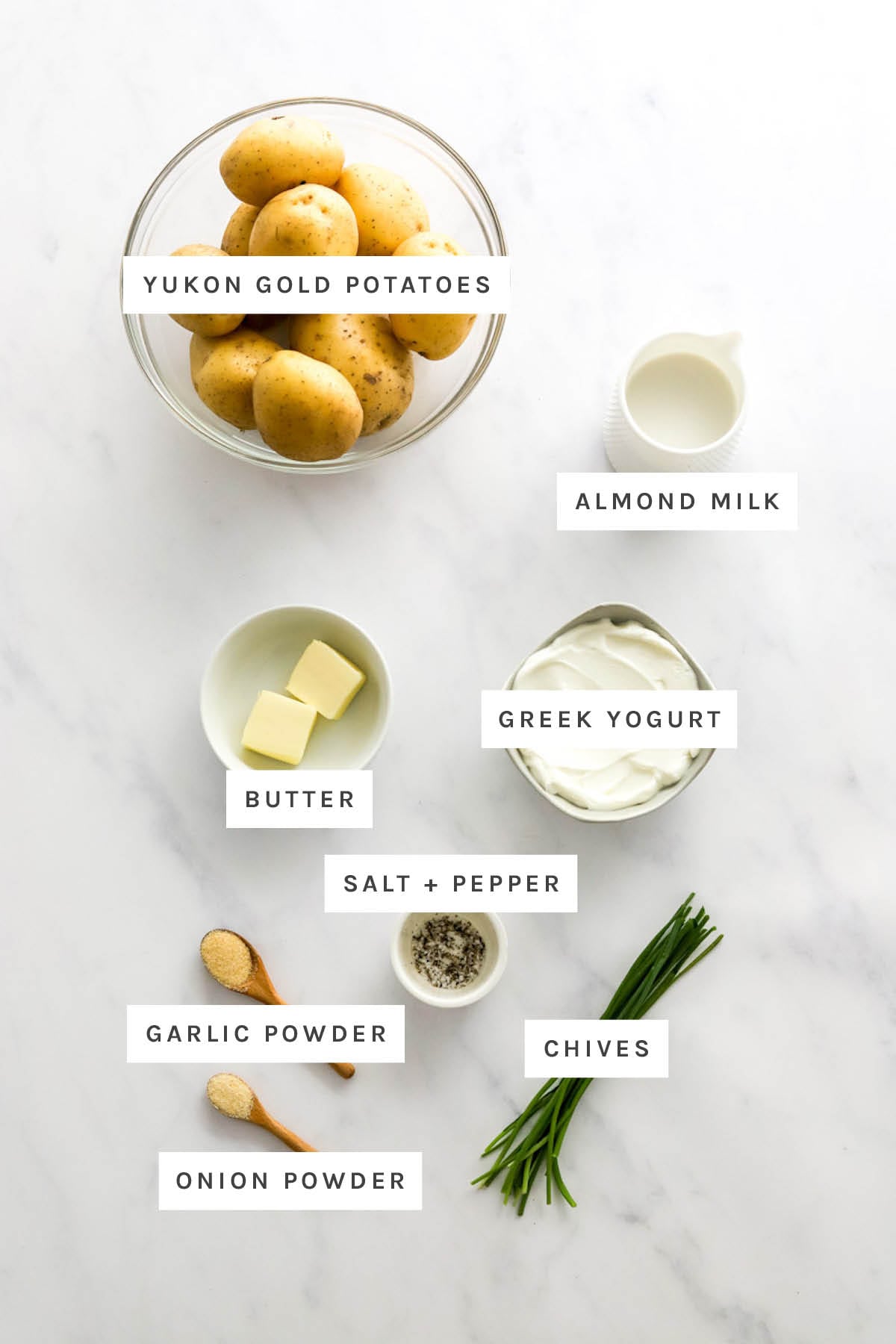
Cook potatoes in vegetable or chicken broth to add flavor without fat. Stir in Greek yogurt instead of sour cream or heavy cream. Greek yogurt adds protein and makes mashed potatoes creamy and tangy. This swap keeps calories low and nutrition high.
Adding Flavor Without Extra Calories
Use herbs like rosemary, thyme, or parsley to add fresh taste. Garlic powder and black pepper give a punch without fat or salt. A squeeze of lemon juice brightens the dish. Avoid heavy cheese or salty toppings to keep it light.
Keeping Potato Skin For Nutrients
Leave the skin on for more fiber and vitamins. Potato skins contain potassium, vitamin C, and antioxidants. Clean the potatoes well before cooking. Skin adds texture and boosts the health value of mashed potatoes.
Pairing With Balanced Meals
Serve mashed potatoes with lean proteins like chicken or fish. Add steamed or roasted vegetables for vitamins and minerals. This creates a balanced plate with carbs, protein, and fiber. Balanced meals help control hunger and support health goals.
Credit: www.eatingbirdfood.com
Common Pitfalls To Avoid
Mashed potatoes can be healthy, but mistakes often make them less so. Many people add ingredients that increase calories and fat. These common pitfalls reduce the health benefits of mashed potatoes. Avoiding them can help keep your dish nutritious and tasty.
Watch out for how much butter and cream you use. Pay attention to serving sizes. Be careful with high-calorie toppings. These simple tips make mashed potatoes better for your health.
Excessive Butter And Cream
Butter and cream add rich flavor but also many calories. Using too much can turn a healthy dish into a high-fat meal. Try using small amounts or substitute with low-fat milk or Greek yogurt. This keeps the creaminess while cutting calories.
Large Serving Sizes
Serving large portions adds extra calories fast. Even healthy mashed potatoes can lead to weight gain if eaten in big amounts. Stick to about half a cup per serving. This helps control calorie intake and keeps meals balanced.
High-calorie Additions
Cheese, sour cream, bacon bits, and gravy add flavor but also unhealthy fats. These extras increase the calorie count quickly. Use herbs, garlic, or a small amount of spices instead. They add taste without extra calories.
Mashed Potatoes Vs. Other Potato Dishes
Mashed potatoes remain a popular side dish worldwide. They offer comfort and a creamy texture that many enjoy. Comparing mashed potatoes to other potato dishes helps us understand their health impact better. Different preparations change the nutritional value significantly. Let’s explore how mashed potatoes stack up against other common potato dishes.
Comparison With French Fries
French fries are usually deep-fried in oil. This adds a lot of unhealthy fats and calories. Mashed potatoes, if made without heavy cream or butter, contain fewer calories. They also have less fat than fries. Fries often have added salt, which can raise blood pressure. Mashed potatoes can be seasoned lightly to reduce sodium intake. Overall, mashed potatoes can be a healthier choice than French fries.
Impact On Diabetes Risk
Potatoes have a high glycemic index, which can raise blood sugar quickly. Mashed potatoes can cause a faster blood sugar spike than whole or baked potatoes. Adding fiber or protein can slow this effect. French fries also cause blood sugar spikes but have added fats that worsen insulin resistance. Moderation and portion control are essential for those managing diabetes. Choosing mashed potatoes with healthy ingredients helps lower the risk.
Healthier Carb Choices
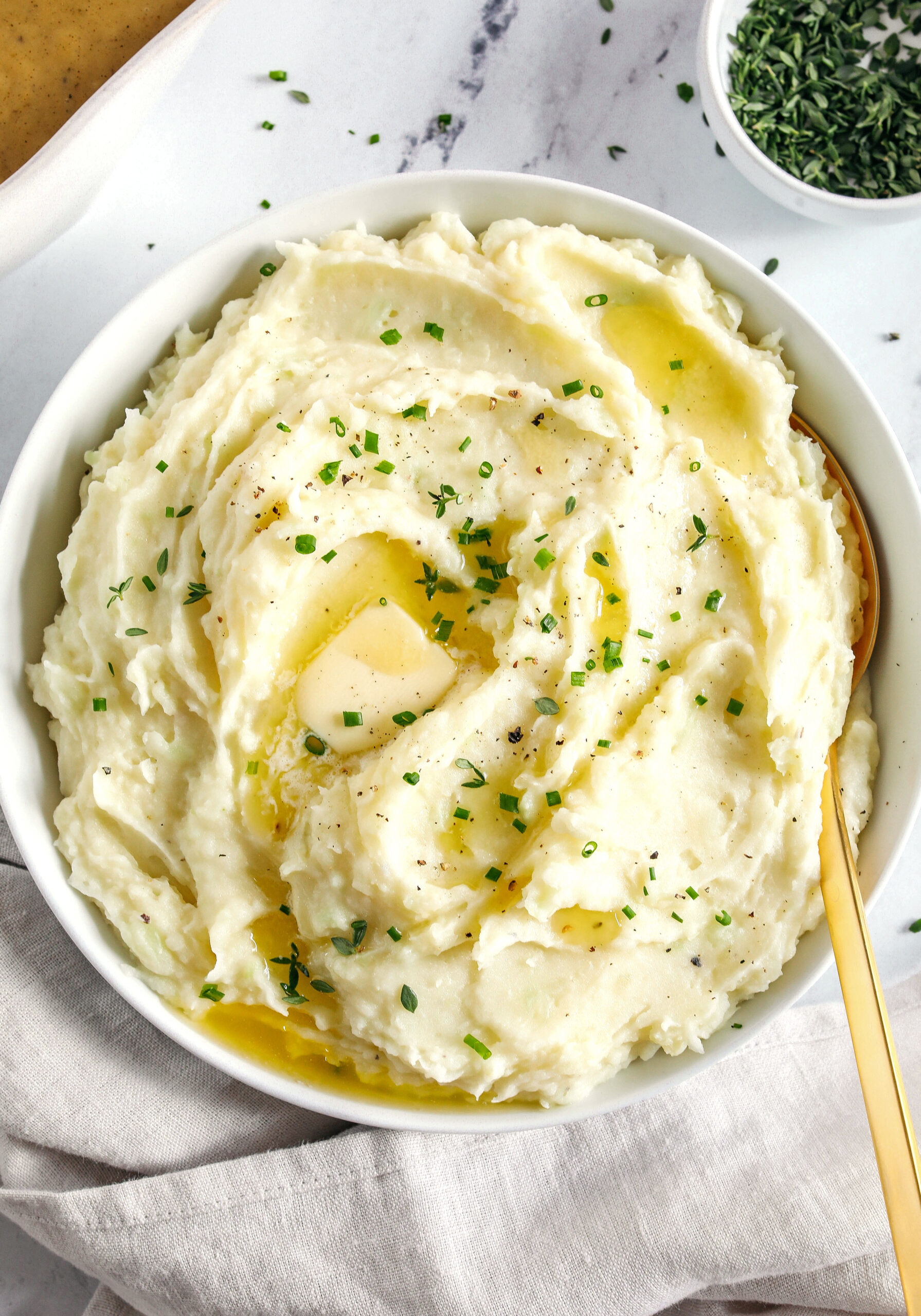
Potatoes are a good source of carbohydrates and nutrients. Mashed potatoes retain most nutrients if skins are included. Sweet potatoes and other root vegetables offer more fiber and vitamins. Combining mashed potatoes with vegetables and lean proteins creates a balanced meal. Choosing less processed potato dishes reduces added sugars and unhealthy fats. Making simple swaps can improve the health value of mashed potatoes.
Credit: www.eatyourselfskinny.com
Mashed Potatoes For Fitness And Muscle Building
Mashed potatoes serve as a popular side dish, but they also offer benefits for fitness and muscle building. Their nutrient profile makes them a good option for those who want to fuel their workouts and support muscle repair. Simple to prepare and digest, mashed potatoes can fit well into an active lifestyle. Choosing healthier preparation methods can enhance their benefits further.
Carbohydrates For Energy
Mashed potatoes provide a rich source of carbohydrates. Carbs are the body’s main energy source during exercise. Eating mashed potatoes before a workout helps replenish glycogen stores. This gives muscles the fuel needed to perform well. The natural starch in potatoes breaks down into glucose, which powers your activity. This makes mashed potatoes a smart choice for sustained energy.
Benefits For Bodybuilders
Bodybuilders need calories and nutrients to build muscle effectively. Mashed potatoes offer a low-fat, nutrient-dense option. They supply vitamins like vitamin C and potassium, which aid muscle function. Their soft texture makes them easy to eat after intense workouts. When paired with lean protein, mashed potatoes support recovery and muscle repair. They also help maintain overall calorie intake without excess fat.
Supporting Muscle Growth
Muscle growth requires a balance of protein and carbs. Mashed potatoes help by providing carbs that refill muscle energy. This energy supports protein synthesis, the process of building muscle fibers. Eating mashed potatoes with protein boosts this process. Potassium in potatoes helps reduce muscle cramps and improves contraction. This combination makes mashed potatoes an effective food for muscle development.
How Smart Kitchen Connect Can Help You with Are Mashed Potatoes Healthy
Practical Insights for Healthier Mashed Potatoes
Understanding whether mashed potatoes are healthy often comes down to how they’re prepared and consumed. As explored earlier, their nutritional profile and role in weight management highlight that healthier preparation methods—such as using low-fat milk or Greek yogurt instead of cream and butter—can make a meaningful difference. Incorporating these swaps not only reduces calories but also supports muscle building by preserving essential nutrients.
For those interested in optimizing their kitchen routines, integrating smart cooking tools can help streamline these healthier choices. Devices that monitor cooking times and temperatures ensure potatoes retain their nutrient density, especially when aiming to boost resistant starch through cooling techniques. This practical approach aligns with Smart Kitchen Connect’s mission to enhance everyday cooking with innovative solutions.
- Experiment with ingredient substitutions for creaminess without added fat.
- Use kitchen gadgets to control portion sizes and cooking precision.
- Plan meals that balance mashed potatoes with protein-rich foods for fitness goals.
If you have questions about smart cooking strategies or want to share your experiences, feel free to reach out at admin@smartkitchenconnect.com. Exploring mashed potatoes through this practical lens makes it easier to enjoy them as part of a balanced, health-conscious lifestyle.
Frequently Asked Questions
Is It Okay To Eat Mashed Potatoes While Dieting?
Mashed potatoes fit a diet if made with low-fat ingredients and eaten in moderation. Use Greek yogurt or broth, avoid butter and cream. Include potato skins for fiber. Control portions and pair with lean protein and vegetables to support weight loss goals effectively.
Why Do Bodybuilders Eat Mashed Potatoes?
Bodybuilders eat mashed potatoes for quick, easily digestible carbohydrates that replenish energy and support muscle recovery post-workout.
Is Mash Healthier Than Fries?
Mashed potatoes can be healthier than fries if made with minimal butter and cream. They offer more nutrients and fiber. Fries often contain unhealthy fats and more calories. Portion control and preparation methods determine their health impact. Choose mashed potatoes with healthy ingredients for better nutrition.
What Do 200 Calories Of Mashed Potatoes Look Like?
A 200-calorie portion of mashed potatoes equals about half a cup or 120 grams. It looks like a small scoop on a plate.
Conclusion
Mashed potatoes can be healthy when made with smart choices. Use low-fat milk or broth instead of cream and butter. Keep portions small to avoid extra calories. Adding herbs and garlic boosts flavor without fat. Leaving the skin on adds fiber and nutrients.
Pair mashed potatoes with vegetables and lean protein for balance. Avoid heavy creams, cheese, and large servings. Remember, the potato itself is nutritious; toppings often add unhealthy calories. With these tips, mashed potatoes can fit well in a balanced diet.
Enjoy them mindfully for a tasty, healthy meal.