
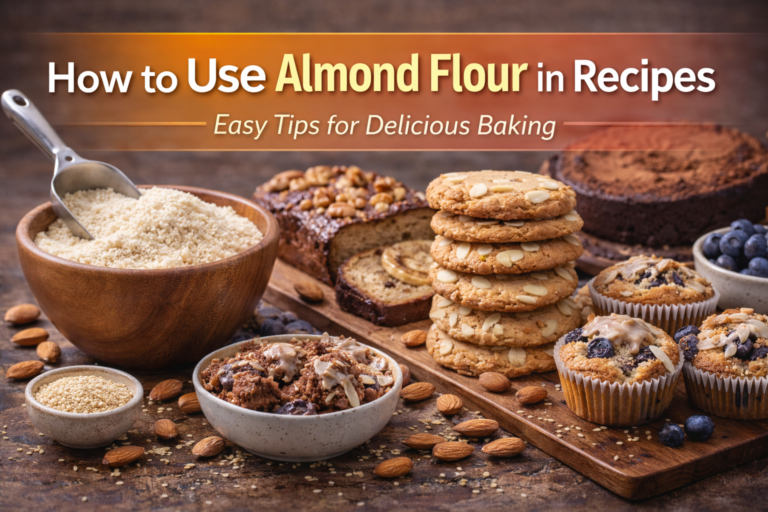
Are you curious about how to use almond flour in your favorite recipes? Whether you’re looking to bake healthier treats or need a gluten-free alternative, almond flour can be a game-changer in your kitchen.
But it’s not just a simple swap for regular flour—knowing how to use it right can make all the difference between a perfect moist cake and a crumbly mess. You’ll discover easy tips and tricks to master almond flour cooking, learn which recipes it works best in, and get practical advice to boost your baking success.
Keep reading, and soon you’ll be creating delicious almond flour dishes that everyone will love!
Read Best Pepper And Salt Grinder Set Manual for Effortless Flavor Enhancement
Almond Flour Basics
Almond flour is made by grinding blanched almonds into a fine powder. It is commonly used in gluten-free and low-carb baking. This flour has a slightly sweet and nutty flavor that adds depth to recipes.
It is rich in healthy fats, protein, and vitamin E. Almond flour also has fewer carbs compared to regular wheat flour. This makes it a good choice for people on keto or paleo diets.
| Type | Description | Best Use |
|---|---|---|
| Blanched Almond Flour | Almonds with skins removed, finely ground | Cakes, cookies, and delicate baked goods |
| Almond Meal | Ground almonds with skins, coarser texture | Crusts, muffins, and rustic breads |
Baking Differences
Almond flour does not contain gluten. This means baked goods made with it won’t rise or be chewy like wheat flour products. Gluten helps hold dough together and gives structure.
Recipes using almond flour often need extra eggs or binders such as xanthan gum. These help the batter stick and hold shape better. Almond flour also makes baked items denser and moister because it has more fat.
It works best for cookies, muffins, pancakes, quick breads, and pie crusts. These treats benefit from the rich texture and do not need a lot of rise.
Almond flour is not good for making chewy breads, pizza dough, or anything that needs strong rise and stretch. The lack of gluten limits elasticity and volume in these recipes.
Substitution Tips
Adjusting binders is important when using almond flour. It does not contain gluten, so recipes need extra eggs or xanthan gum to hold together. This helps create structure and prevents crumbling.
Modifying liquids can improve texture. Almond flour absorbs less liquid, so reduce the liquid amount slightly. Too much liquid makes batter too runny and affects baking.
Using flour blends mixes almond flour with other flours like coconut or oat flour. This balances texture and moisture, making baked goods less dense and lighter.
Following almond flour recipes ensures success. These recipes are designed for almond flour’s unique traits. They show the right binders, liquids, and ratios for best results.
Baking Techniques
Mix almond flour gently to avoid overmixing. It is delicate and can turn dense. Use a spatula or wooden spoon for best results. Combine wet ingredients separately before adding to dry ones. This helps even mixing without lumps.
Bake at a temperature 25°F lower than usual. Almond flour browns faster, so watch the time. Usually, reduce baking time by 5-10 minutes. Check for doneness early with a toothpick or fork.
Let baked goods cool completely on a wire rack. Cooling helps set the texture and flavor. Warm almond flour treats may crumble if cut too soon. Patience yields the best crumb and taste.
Texture And Flavor Boosts
Choose fine almond flour for smoother texture in recipes. Coarse flour can make baked goods grainy or dense. To improve binding, add a small amount of xanthan gum or extra protein like eggs. This helps hold the ingredients together and prevents crumbling.
Almond flour absorbs moisture differently than wheat flour. Adjust liquid amounts carefully to avoid too dry or wet batter. Use less liquid or add moisture slowly until the right consistency forms. This keeps the final dish soft and tender.
Popular Almond Flour Recipes
Almond flour works great in cookies and muffins. It adds a nutty flavor and makes baked goods soft and moist. Use it to replace regular flour in many recipes, but remember, almond flour does not contain gluten. This means cookies and muffins may be denser and a bit crumbly. Adding extra eggs helps bind the dough well.
Cakes and brownies made with almond flour are rich and tender. They often have a moist texture and a slightly sweet, nutty taste. Almond flour makes these desserts gluten-free and perfect for those avoiding wheat. Use baking powder to help the batter rise and keep the cake light.
Crackers and quick breads made from almond flour have a crumbly, crunchy texture. Quick breads rise less than regular breads but are flavorful and filling. Almond flour adds healthy fats and protein, making these snacks more nutritious. Use herbs and spices to enhance the taste of crackers.
How Smart Kitchen Connect Can Help You with How to Use Almond Flour in Recipes
Practical Ways to Master Almond Flour in Your Kitchen
Understanding how to use almond flour effectively opens up a world of culinary possibilities, especially when you consider the baking differences and substitution tips we’ve discussed. For those who enjoy experimenting, starting with popular almond flour recipes can provide valuable hands-on experience in balancing texture and flavor boosts. Since almond flour behaves differently than traditional wheat flour, it’s useful to track your results and adjust techniques accordingly.
Incorporating smart kitchen tools can also enhance your learning curve. Devices that monitor precise measurements or baking times align well with the innovative spirit of Smart Kitchen Connect, helping you achieve consistent outcomes with almond flour. If you encounter questions or want to explore more nuanced baking techniques, reaching out to knowledgeable communities or resources—such as admin@smartkitchenconnect.com—can provide practical support tailored to your needs.
Frequently Asked Questions
Can I Use Almond Flour In Place Of Regular Flour?
Yes, almond flour can replace regular flour but lacks gluten, so baked goods may be denser. Use extra binders like eggs or xanthan gum. Ideal for cookies, muffins, and pancakes. Adjust liquids and consider blending with other flours for better texture.
Follow almond flour-specific recipes for best results.
What Is The Trick To Baking With Almond Flour?
The trick to baking with almond flour is adding extra binders like eggs or xanthan gum for structure and reducing liquids slightly. Use recipes designed for almond flour to achieve moist, dense, and flavorful results. Avoid expecting the same rise as wheat flour.
What Are The Common Mistakes When Using Almond Flour?
Common mistakes with almond flour include using it like regular flour, skipping binders, adding too much liquid, and not following almond flour-specific recipes.
What Is The Best Use Of Almond Flour?
Almond flour works best in gluten-free baking like cookies, muffins, pancakes, and pie crusts. It creates moist, dense, and rich textures. Use extra eggs or binders for structure, and follow almond flour-specific recipes for best results. Avoid using it for chewy breads or dough needing elasticity.
Conclusion
Almond flour adds a rich, nutty flavor to many recipes. It works well in cookies, muffins, and quick breads. Remember to use extra eggs or binders for better texture. Almond flour creates moist, dense baked goods that taste delicious. Experiment with blends to improve consistency and rise.
Always follow recipes made for almond flour for best results. Enjoy baking with this healthy, gluten-free flour option!