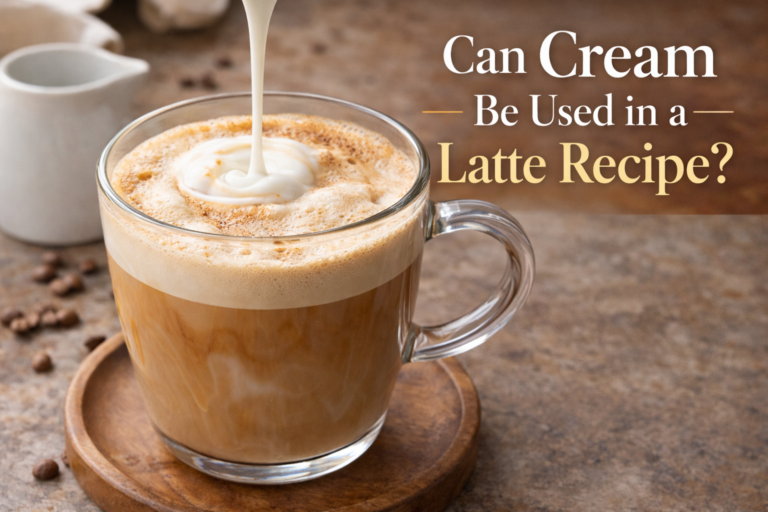
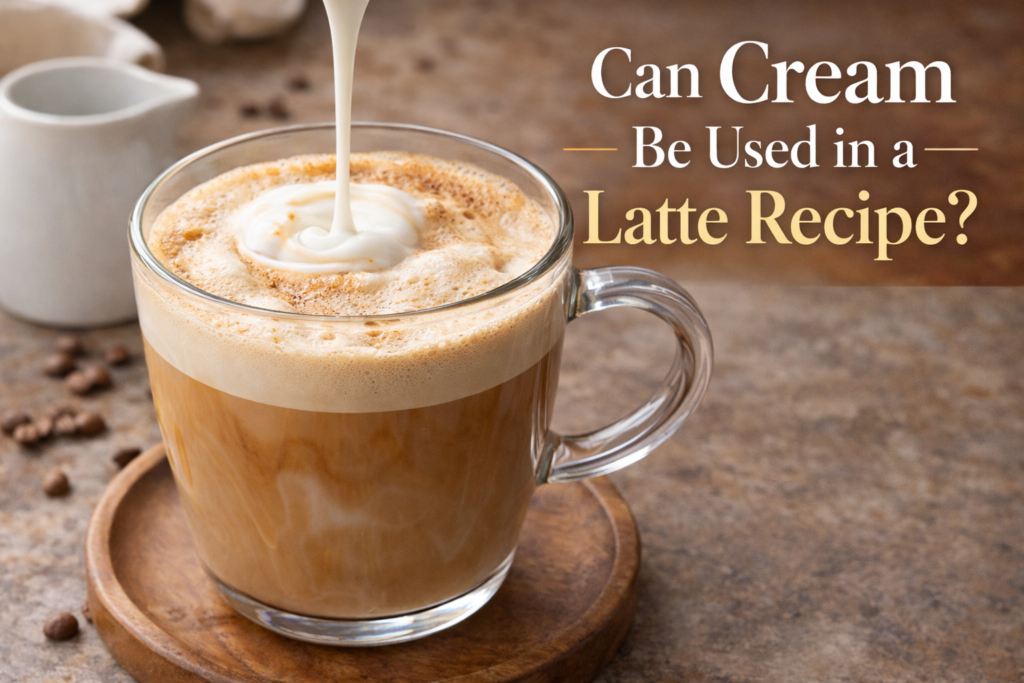
Many people love lattes. A latte is a coffee drink made with espresso and milk. But sometimes, you may wonder if you can use cream instead of milk. The answer is yes! You can use cream in a latte recipe. This article will explain how cream changes the drink and how to use it well.
What Is a Latte?
A latte is a warm coffee drink. It has two main parts: espresso and milk. The espresso gives a strong coffee taste. The milk makes it smooth and soft. Usually, people use regular milk, like whole milk or skim milk. But other liquids can also work.
Cream is the thick, rich part of milk. It has more fat than regular milk. Heavy cream or whipping cream is very thick and smooth. It feels rich and tastes sweet. Because of the high fat, cream can make drinks taste very full and smooth.
Using Cream Instead of Milk in a Latte
You can use cream instead of milk in your latte. This makes a drink called a “breve latte.” A breve latte is creamy and rich. It feels thicker in your mouth. The cream makes the coffee taste sweeter and less bitter.
If you want a special treat, try this. Use half cream and half milk. This mix is not too thick or too thin. It gives a nice balance of creaminess and lightness. If you use only cream, the latte can be very heavy.
How To Make A Cream Latte
Make one or two shots of espresso.
Warm the cream gently. Do not boil it.
Use a milk frother or whisk to make foam with the cream. It will be thick and smooth.
Pour the espresso into a cup.
Add the frothed cream slowly.
Enjoy your rich, creamy latte!
What Does Cream Do to the Flavor?
Cream changes the taste of a latte a lot. It makes the drink sweeter and thicker. The strong coffee flavor becomes softer. Some people like this because it feels like a dessert. Others may find it too heavy.
The fat in cream coats your tongue. This blocks some bitterness from the coffee. That is why cream lattes taste smooth and rich. You may not need to add sugar or syrup when using cream.
Using Cream in Iced Lattes
Cream works well in iced lattes too. When you add cream to cold coffee, it stays thick. It does not mix as fast as milk. This creates a nice swirl of cream in the drink.
Try an iced latte with cream and a little vanilla syrup. It tastes sweet and fresh. The cream makes the cold drink more filling and tasty.
Differences Between Cream and Milk in Lattes
Feature
Milk
Cream
Fat Content
Low to medium (0-4%)
High (30-40%)
Texture
Light and smooth
Thick and rich
Taste
Mild, slightly sweet
Very creamy, sweet
Calories
Lower
Higher
Foam Quality
Good foam, light
Thicker, richer foam
Tips for Using Cream in Lattes
Heat cream gently. Too much heat can spoil it.
Use fresh cream for best taste.
Try mixing cream with milk to avoid heaviness.
Add flavors like vanilla or cinnamon for extra taste.
Use a frother or whisk for nice foam.
Do not add too much cream; balance is key.
Can You Use Heavy Cream?
Yes, heavy cream is great for lattes. It has the most fat and makes the drink very creamy. Some people use heavy cream to replace milk completely. This makes a latte that is very rich and dessert-like.
If you like your latte smooth and rich, heavy cream is a good choice. But if you want a lighter drink, try mixing cream and milk.
What About Whipped Cream on Top?
You can also add whipped cream on top of a latte. This is popular in coffee shops. Whipped cream adds extra creaminess and looks nice. It makes your latte taste like a treat.
Try adding a small amount of whipped cream for a special drink. It goes well with chocolate or caramel syrup.
Are There Any Drawbacks to Using Cream?
Cream has more fat and calories than milk. This can make your latte less healthy. If you drink a lot of cream lattes, it may affect your diet.
Also, cream can be too heavy for some people. It may feel thick and filling. If you want a light coffee, stick to milk or plant-based milk.
Alternatives to Cream for a Rich Latte
If you want a creamy latte but not cream, try these options:
Whole milk: Has some fat for creaminess.
Plant-based milks: Like almond, oat, or soy milk made for baristas.
Half-and-half: A mix of milk and cream, lighter than pure cream.
Flavored syrups: Add sweetness and smooth taste without fat.
Summary
You can use cream in a latte recipe. Cream makes lattes thick, rich, and smooth. It changes the flavor and texture a lot. Use cream for a special treat or dessert-like drink. Mix cream with milk for a balanced taste. Try whipped cream on top for extra creaminess.
Remember, cream has more fat and calories than milk. Use it in moderation if you want to stay healthy. Enjoy your latte your way! Cream is a good choice if you want a rich and creamy coffee drink.
Frequently Asked Questions
Can You Make A Latte With Cream?
Yes, you can make a latte with cream instead of milk for a richer, creamier taste. Cream adds velvety smoothness and indulgence. Use heavy cream for a dessert-like latte or top a regular latte with whipped cream to enhance flavor and texture.
Can I Use Heavy Cream Instead Of Milk For A Latte?
Yes, you can use heavy cream instead of milk for a latte. It creates a richer, creamier, and velvety texture with a dessert-like taste. Heavy cream cuts bitterness and adds indulgence but may be too thick for some preferences. Adjust the amount to balance richness and flavor.
What Happens If I Use Cream Instead Of Milk?
Using cream instead of milk makes your latte richer and thicker with a velvety texture. It adds more fat and sweetness. Cream creates a dessert-like, indulgent flavor but can overpower the coffee’s taste. Adjust espresso strength to balance the richness when using cream in your latte.
What Is A Good Substitute For Milk In A Latte?
A good substitute for milk in a latte includes almond, soy, oat, or coconut milk. Heavy cream also adds richness. These alternatives create creamy, delicious lattes with unique flavors and textures. Choose plant-based or dairy options based on preference and dietary needs.