
You love mashed potatoes, but if you’re avoiding gluten, you might wonder: are mashed potatoes really gluten free? It’s a simple question with an important answer for your health and peace of mind.
Knowing exactly what goes into your mashed potatoes can help you enjoy every creamy bite without worry. You’ll discover what makes mashed potatoes safe or risky for a gluten-free diet, how to spot hidden gluten, and tips to make sure your next serving is both delicious and safe.
Keep reading to clear up the confusion and enjoy your favorite comfort food confidently.
Credit: www.target.com
Potatoes And Gluten
Potatoes are a common ingredient in many dishes, including mashed potatoes. Understanding their relationship with gluten is important for those with gluten sensitivity or celiac disease. Potatoes themselves do not contain gluten. The concern arises with how potatoes are processed or prepared.
This section explains the natural gluten-free status of potatoes and the risks involved with processed potato products.
Natural Gluten-free Status
Potatoes are naturally free of gluten. Gluten is a protein found in certain grains like wheat, barley, and rye. Since potatoes are a root vegetable, they do not contain gluten proteins. Fresh, whole potatoes are safe to eat for people avoiding gluten. This includes baking, boiling, or mashing plain potatoes without added gluten ingredients.
Processed Potato Products Risks
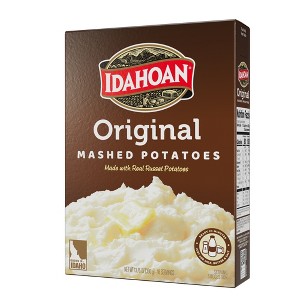
Many processed potato products may contain gluten. Items like potato flakes, instant mashed potatoes, and frozen fries can have gluten added as fillers or flavorings. Cross-contamination can also happen during production. Labels without a gluten-free certification may hide wheat, barley, or rye ingredients. Reading packaging carefully is essential for safety.
Common Mashed Potato Ingredients
Mashed potatoes often contain simple ingredients. Each ingredient impacts the dish’s gluten status. Understanding these ingredients helps those avoiding gluten. Most mashed potato recipes use butter, milk, and seasonings. These basics usually do not contain gluten. Still, checking labels and additives is important. Let’s explore common mashed potato ingredients and their gluten content.
Butter And Gluten
Butter comes from cream and sometimes salt. Pure butter contains no gluten naturally. Most plain butters are safe for gluten-free diets. Some flavored or processed butters may include gluten. Cross-contamination can occur in shared production lines. Always read labels to avoid hidden gluten. Choose plain butter for safe mashed potatoes.
Milk And Gluten
Milk is a natural dairy product without gluten. Plain cow’s milk is gluten-free. Flavored or processed milk may have additives with gluten. Non-dairy milk alternatives vary in gluten content. Almond, soy, or oat milk can contain gluten if not labeled gluten-free. Confirm the milk type before adding to mashed potatoes.
Seasonings And Additives
Salt and pepper are naturally gluten-free. Garlic powder, onion powder, and herbs usually do not contain gluten. Some spice blends or seasoning mixes may have gluten fillers. Additives like thickeners or flavor enhancers can hide gluten. Always check seasoning labels carefully. Use simple, pure spices for gluten-free mashed potatoes.
Cross-contamination Concerns
Cross-contamination is a key concern for people avoiding gluten. Mashed potatoes are naturally gluten-free, but they can come into contact with gluten during preparation or production. Even small traces of gluten can cause issues for sensitive individuals. Understanding where cross-contamination happens helps keep mashed potatoes safe to eat.
Kitchen Practices
In home kitchens, cross-contamination can occur from shared utensils and surfaces. Using the same cutting boards or knives for gluten foods and potatoes risks gluten transfer. Fryers or pots used for gluten-containing foods can also contaminate mashed potatoes. Cleaning all tools and surfaces thoroughly before cooking is crucial. Separate utensils and cookware help prevent gluten exposure.
Manufacturing Processes
In factories, mashed potatoes may mix with gluten ingredients or be processed on shared lines. Potato flakes or instant mashed potatoes often face contamination risks if made alongside wheat products. Manufacturers must follow strict gluten-free protocols to avoid cross-contact. Checking for gluten-free certification or labels ensures safer choices. Always read ingredient lists and warnings about potential gluten presence.
Credit: www.mamaknowsglutenfree.com
Reading Labels For Safety
Reading labels is key to staying safe with mashed potatoes. Not all mashed potatoes are gluten free. Some have hidden ingredients that contain gluten. Careful label reading helps avoid gluten exposure. It keeps meals safe for those with gluten intolerance or celiac disease.
Identifying Hidden Gluten
Gluten can hide in many unexpected places. Some mashed potatoes include wheat flour as a thickener. Malt flavoring, derived from barley, may also appear on labels. Watch for terms like “modified food starch” without a clear source. Cross-contamination warnings are important too. Always check ingredient lists closely to spot hidden gluten.
Gluten-free Certification
A gluten-free label or certification offers extra assurance. It means the product meets strict gluten limits. Certified products reduce the risk of gluten contamination. Look for seals from trusted organizations on packaging. These marks help you choose safe mashed potatoes quickly and confidently.
Gluten-free Mashed Potato Recipes
Mashed potatoes can be a delicious, comforting side dish for anyone following a gluten-free diet. Potatoes themselves contain no gluten, making them a safe base. Recipes vary with added ingredients like butter, milk, or cream, which are usually gluten-free. This section shares easy gluten-free mashed potato recipes for different tastes and needs.
Classic Versions
Classic mashed potatoes use simple, natural ingredients. Start with peeled potatoes boiled until soft. Mash with butter and milk or cream. Use salt and pepper to taste. These ingredients do not contain gluten. Avoid adding store-bought seasoning mixes unless labeled gluten-free. This recipe delivers creamy, smooth potatoes that everyone enjoys.
Dairy-free Alternatives
Dairy-free mashed potatoes suit those with lactose intolerance or milk allergies. Replace butter with olive oil, coconut oil, or dairy-free margarine. Use almond milk, oat milk, or soy milk instead of regular milk. These plant-based milks keep the texture creamy. Season with garlic powder, salt, and pepper for flavor. This version stays gluten-free and gentle on digestion.
Vegan Options
Vegan mashed potatoes exclude all animal products but remain rich and tasty. Use vegan butter or oils for creaminess. Add unsweetened nut or seed milk for smoothness. Nutritional yeast can add a cheesy flavor without dairy. Fresh herbs like chives or parsley enhance taste and color. These mashed potatoes meet gluten-free and vegan needs perfectly.
Tips For Gluten-free Preparation
Preparing mashed potatoes that are truly gluten-free needs careful attention. Simple steps ensure your dish stays safe for those with gluten intolerance or celiac disease. These tips help prevent gluten exposure during preparation and serving.
Choosing Ingredients
Select potatoes that are fresh and whole. Avoid pre-packaged or instant mashed potato mixes. These often contain gluten or additives. Use plain butter and milk without added flavors. Check labels for hidden gluten or cross-contamination warnings. Fresh garlic and herbs add flavor without risk. Stick to natural, single-ingredient foods to keep mashed potatoes gluten-free.
Avoiding Cross-contact
Cross-contact happens when gluten touches gluten-free food. Use separate utensils and cutting boards for potatoes. Clean all surfaces thoroughly before cooking. Avoid shared frying oil or storage containers. Keep mashed potatoes away from bread crumbs or sauces with gluten. Serve mashed potatoes on clean plates or bowls. These steps stop gluten from mixing into your dish.
Common Myths And Facts
Many people wonder if mashed potatoes are truly gluten free. There are many myths that cause confusion. Knowing the facts helps you enjoy this classic dish safely. This section clears up common misunderstandings about mashed potatoes and related ingredients.
Misconceptions About Potatoes
Potatoes themselves are naturally gluten free. They are a starchy vegetable and contain no gluten proteins. The problem arises with processed potato products. Items like instant mashed potatoes, French fries, or tater tots may have gluten added. This happens through flavorings, coatings, or cross-contamination during manufacturing. Always check labels for gluten-free certification. Fresh potatoes mashed at home remain safe for gluten-free diets.
Truths About Dairy Products
Butter and milk are common ingredients in mashed potatoes. These dairy products do not contain gluten naturally. Gluten is a protein found in grains, not in milk or cream. Plain butter and milk are safe for people avoiding gluten. Some flavored butters or processed cheeses might have additives with gluten. Cross-contamination in factories is also possible. Reading product labels carefully helps prevent accidental gluten intake.
Credit: meaningfuleats.com
How Smart Kitchen Connect Can Help You with Are Mashed Potatoes Gluten Free
Practical Insights for Navigating Gluten-Free Mashed Potatoes
Understanding whether mashed potatoes are gluten free involves more than just knowing that potatoes themselves contain no gluten. It’s essential to consider common mashed potato ingredients and cross-contamination concerns, especially when preparing meals in busy kitchens. For example, adding gravy or seasoning blends may introduce gluten unknowingly. Reading labels carefully ensures that every component aligns with gluten-free requirements.
For those passionate about cooking smarter and more efficiently, incorporating tech-forward tools can simplify this process. Devices that help track ingredient information or streamline preparation can reduce risks of cross-contact and help maintain gluten-free integrity. At Smart Kitchen Connect, the focus is on making such innovations accessible to home chefs and busy professionals alike.
- Always verify ingredient labels before use.
- Maintain separate utensils and cookware to avoid cross-contamination.
- Explore gluten-free mashed potato recipes that cater to your dietary needs.
If you have further questions or need guidance on gluten-free cooking strategies, feel free to reach out via admin@smartkitchenconnect.com. Practical knowledge combined with smart kitchen solutions can make gluten-free cooking both safe and enjoyable.
Frequently Asked Questions
What Makes Potatoes Not Gluten-free?
Potatoes themselves are naturally gluten-free. Processed potato products may contain gluten due to added wheat, barley, or rye ingredients. Always check labels for gluten-containing additives or cross-contamination warnings to ensure safety.
Are Butter And Milk Gluten-free?
Yes, plain butter and milk are naturally gluten-free. Avoid flavored varieties and check labels for additives or cross-contamination risks.
Can Celiacs Eat Potatoes?
Yes, celiacs can eat plain potatoes as they are naturally gluten-free. Avoid processed potato products without gluten-free labels.
What Is Surprisingly Not Gluten-free?
Processed foods like certain potato flakes, French fries, tater tots, and packaged meals often contain gluten. Also, flavored butters, some dairy products, and items with additives or cross-contamination risks might not be gluten-free. Always check labels carefully to avoid hidden gluten ingredients.
Conclusion
Mashed potatoes made from plain potatoes are naturally gluten free. Watch for added ingredients like flavored butters or gravy. Packaged or processed potato products may contain gluten. Always check labels carefully to avoid hidden gluten sources. Making mashed potatoes at home lets you control what goes in.
Enjoy this classic dish safely on a gluten-free diet. Simple, tasty, and easy to prepare without gluten worries.