
You rely on your coffee maker every morning to kickstart your day with a fresh, delicious cup. But have you ever stopped to think about what’s inside your machine?
Over time, coffee oils, mineral deposits, and leftover grounds can build up, affecting the taste of your brew and even shortening the life of your coffee maker. If you want your coffee to taste its best and keep your machine running smoothly, learning how to clean your coffee maker properly is a must.
In this guide, you’ll discover simple, effective steps to clean your coffee maker—no complicated tools or harsh chemicals needed. Keep reading, and soon you’ll be enjoying a fresher, better-tasting cup every single day.
Credit: www.youtube.com
Daily Cleaning Routine
Keeping your coffee maker clean every day ensures fresh taste and better machine performance. A simple daily routine helps prevent buildup and keeps your coffee fresh. This routine takes only a few minutes but makes a big difference.
Wash Removable Parts
Take out the filter basket and carafe. Wash them with warm, soapy water to remove oils and coffee residue. Use a soft sponge to avoid scratches. Rinse well and let them air dry. Some parts may be dishwasher-safe, so check your manual before washing.
Rinse Carafe And Filter Basket
Rinse the carafe and filter basket under running water after each use. This stops coffee stains and old grounds from sticking. Clean parts help maintain the coffee flavor and prevent mold or bacteria growth. Quick rinsing is an easy way to keep your machine fresh daily.
Wipe Heating Plate And Exterior
Use a damp cloth to wipe the heating plate and the machine’s outside. Remove any spilled coffee or water stains. Do this daily to avoid sticky spots or burnt coffee stains. Keep your coffee maker looking clean and working well with simple wiping.
Monthly Deep Cleaning
Monthly deep cleaning keeps your coffee maker fresh and working well. It removes buildup that daily cleaning misses. This process helps your machine last longer and makes coffee taste better.
Remove Old Grounds And Filters
Start by taking out old coffee grounds and used filters. Dispose of them properly. This step stops bad smells and prevents mold growth inside the machine. Clean the filter basket with warm water and soap for best results.
Prepare Vinegar Cleaning Solution
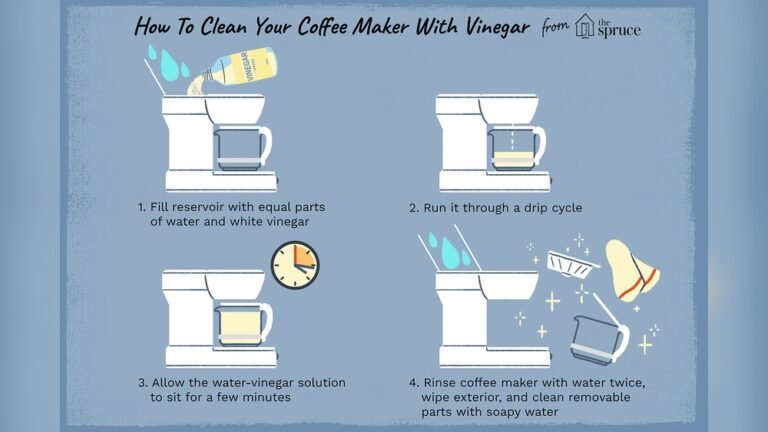
Mix equal parts of white vinegar and water. Use about four cups total. Vinegar breaks down mineral deposits and removes coffee oils. This solution cleans deep inside the coffee maker where dirt hides.
Run Cleaning Cycle
Pour the vinegar solution into the water reservoir. Turn on the machine and run a full brewing cycle. Pause halfway to let the vinegar sit inside for 30 minutes. This soaking helps dissolve tough buildup.
Flush Machine With Water Cycles
Discard the vinegar solution after the cycle ends. Fill the reservoir with fresh water only. Run two to three full brewing cycles to rinse out vinegar taste and smell. This step ensures your coffee stays pure and fresh.
Removing Stubborn Stains
Stubborn stains in your coffee maker can build up over time. They make your coffee taste bitter and look unclean. Removing these stains keeps your coffee fresh and your machine working well. Use simple household items to tackle tough spots without harsh chemicals.
Use Baking Soda For Carafe
Sprinkle baking soda inside the carafe. Add a little warm water to make a paste. Baking soda gently lifts stains without scratching glass or plastic. Let the paste sit for 15 minutes. This breaks down coffee residue and tough stains. After resting, the stains become easier to remove.
Scrub And Rinse Thoroughly
Use a soft sponge or cloth to scrub the carafe. Focus on areas with dark stains or buildup. Avoid abrasive scrubbers that can damage the surface. Rinse the carafe well with warm water until all baking soda is gone. Make sure no residue remains to keep your coffee fresh. Repeat if stains persist.
Cleaning Different Coffee Maker Types
Cleaning a coffee maker depends on the type you own. Different machines need unique care to keep them working well. Regular cleaning stops buildup and keeps coffee tasting fresh. The process varies for drip coffee makers, espresso machines, and single-serve devices. Follow simple steps for each type to maintain your machine’s performance and extend its life.
Drip Coffee Makers
Drip coffee makers need regular cleaning to avoid clogs. Remove the filter and used grounds after each use. Wash the carafe and filter basket with warm, soapy water. For deeper cleaning, run a mixture of half white vinegar and half water through a brew cycle. Follow with two or three cycles of clean water to rinse thoroughly. Wipe the machine’s exterior and heating plate with a damp cloth.
Espresso Machines
Espresso machines require careful cleaning to preserve flavor. Clean the portafilter and basket after each use. Use a brush to remove coffee grounds from the group head. Run a cleaning cycle with a special espresso machine cleaner or a vinegar solution. Backflush the machine as recommended by the manufacturer. Remove and soak removable parts in warm, soapy water, then rinse well. Wipe the exterior and steam wand after every use.
Single-serve Machines
Single-serve machines need frequent cleaning to prevent blockages. Empty the pod holder and rinse it regularly. Run a cleaning cycle with a vinegar and water mix once a month. Follow with multiple water-only cycles to flush out vinegar. Clean the drip tray and water reservoir with warm, soapy water. Wipe the machine’s outside to remove coffee splashes and dust. Keep the machine dry when not in use to avoid mold growth.
Tips To Maintain Coffee Maker Performance
Maintaining your coffee maker helps it work well for a long time. Simple care keeps the coffee tasting fresh. It also prevents breakdowns and saves money on repairs. Follow these tips to keep your machine in top shape.
Regular Descaling Benefits
Descaling removes mineral buildup inside the coffee maker. Hard water leaves deposits that slow down brewing. These deposits affect the taste and temperature of your coffee. Descaling every month keeps water flowing freely. It also protects the heating element from damage. Use a vinegar solution or a commercial descaler for best results.
Avoiding Harsh Chemicals
Harsh chemicals can harm your coffee maker’s parts. Strong cleaners may leave harmful residues and cause corrosion. Choose gentle cleaning agents like white vinegar or baking soda. These natural options clean well without damage. Always rinse thoroughly after cleaning to remove any traces. Safe cleaning keeps your coffee tasting pure and your machine lasting longer.
Proper Storage And Handling
Store your coffee maker in a dry place to avoid rust. Avoid placing it near heat or direct sunlight. Handle with care when moving or cleaning to prevent cracks or leaks. Always unplug the machine before cleaning or storing. Proper storage and gentle handling help prevent accidents and keep your coffee maker ready to brew.
:strip_icc()/How_to_clean_coffeemaker_0201-Step-01-Clean-With-Vinegar-828dacfe7f974698ad332dac86b70ed8.jpg)
Credit: www.bhg.com
Common Mistakes To Avoid
Cleaning a coffee maker seems simple, but many people make mistakes. These errors can damage your machine or leave unwanted tastes. Avoiding common mistakes helps keep your coffee fresh and your machine working well. Here are key errors to watch out for.
Skipping Rinse Cycles
Rinse cycles remove cleaning solution and residue from your coffee maker. Skipping these cycles leaves vinegar or soap inside. This can cause bad flavors in your coffee. Always run two or three rinse cycles with fresh water after cleaning.
Rinsing also protects your machine’s parts from buildup. It keeps the water safe for brewing. Make rinsing a regular step in your cleaning routine.
Ignoring Removable Parts
Many forget to clean removable parts like the carafe and filter basket. These parts hold coffee oils and grounds that cause stains and odors. Wash them with warm soapy water after each use.
Some parts are dishwasher safe. Place them in the dishwasher for a deep clean. Regular care of removable parts improves coffee taste and machine hygiene.
Using Incorrect Cleaning Agents
Not all cleaning agents are safe for coffee makers. Harsh chemicals can damage the machine or leave harmful residue. Avoid bleach or strong detergents.
Use mild soap, baking soda, or a vinegar-water mix for cleaning. These are safe and effective. Check your coffee maker’s manual before choosing a cleaner.
:strip_icc()/How_to_clean_coffeemaker_0220-Primary-d0c8d75c767a4d04a5b92b77d6db808c.jpg)
Credit: www.bhg.com
How Smart Kitchen Connect Can Help You with How to Clean Coffee Maker
Practical Learning Through Cleaning Your Coffee Maker
Understanding how to clean your coffee maker offers more than just a spotless machine—it’s an opportunity to develop a practical routine that enhances its performance and longevity. Incorporating a daily cleaning routine for removable parts not only maintains hygiene but also prevents buildup that can affect taste. Monthly deep cleaning, such as running a vinegar-water cycle, helps remove mineral deposits and stubborn stains, ensuring your coffee tastes fresh every time.
By exploring different cleaning techniques for various coffee maker types, you become more adaptable and knowledgeable about your kitchen tools. This hands-on learning aligns with Smart Kitchen Connect’s mission to make cooking smarter and more efficient. If you ever encounter challenges or want tailored advice, reaching out to admin@snartkitchenconnect.com can provide additional insights and support.
- Practice daily and monthly cleaning to build consistency
- Adapt methods depending on your coffee maker’s model
- Learn to spot and avoid common mistakes for better upkeep
Approaching coffee maker maintenance as a learning experience empowers you to enjoy better coffee with less hassle, blending innovation with everyday practicality.
Frequently Asked Questions
What Is The Best Way To Clean A Coffee Maker?
Clean removable parts daily with warm, soapy water. Monthly, run a cycle with equal parts vinegar and water. Rinse with 2-3 fresh water cycles. Wipe the exterior and heating plate to finish. This method removes buildup and ensures better-tasting coffee.
How To Clean A 12 Cup Mr. Coffee Coffee Maker?
Empty the filter basket and rinse the carafe with warm, soapy water. Run a cycle with equal parts white vinegar and water. Follow with two to three cycles using fresh water to rinse. Wipe the exterior and heating plate clean.
Repeat monthly for best results.
Is It Okay To Run Vinegar Through A Coffee Maker?
Yes, running vinegar through a coffee maker helps remove mineral buildup and improve taste. Use a 1:1 vinegar-water mix, then rinse with water cycles.
How Do I Descale My Coffee Maker Without Descaling?
Clean your coffee maker by running plain water cycles to flush out residue. Use baking soda or lemon juice to remove buildup naturally. Regularly wash removable parts with soap and water. Wipe the exterior and heating plate to maintain cleanliness without harsh descaling products.
Conclusion
Keeping your coffee maker clean ensures fresh, great-tasting coffee every time. Clean removable parts daily with soap and water. Run a vinegar-water cycle monthly to remove build-up. Always rinse well to avoid vinegar taste. Regular cleaning protects your machine and improves coffee flavor.
Simple steps make a big difference in your coffee routine. Enjoy a better brew with a clean coffee maker.