
If your coffee doesn’t taste as fresh as it used to, your coffee maker might be due for a deep clean. Over time, minerals and coffee oils build up inside your machine, affecting the flavor and even the performance.
But don’t worry—you don’t need expensive cleaners or complicated tools. You can easily restore your coffee maker’s sparkle and brew quality using something you probably already have at home: vinegar. You’ll learn simple, step-by-step ways to clean your coffee maker with vinegar, so every cup you pour tastes just right.
Ready to bring back that perfect brew? Let’s get started!
Credit: www.hgtv.com
Why Clean Your Coffee Maker
Keeping your coffee maker clean is essential for more than just appearance. Over time, minerals and coffee oils build up inside the machine. This buildup can affect your health, the taste of your coffee, and the life of your appliance. Regular cleaning with vinegar is a simple and effective way to maintain your coffee maker. It removes residue and keeps your machine working well. Below are key reasons to clean your coffee maker regularly.
Health Benefits
Cleaning your coffee maker removes bacteria and mold. These can grow in the warm, damp environment inside the machine. Drinking coffee from a dirty machine can cause stomach issues or allergies. Vinegar kills germs and disinfects the machine safely. A clean coffee maker helps protect your health with every cup.
Improved Coffee Taste
Old coffee oils and mineral deposits change the flavor of your coffee. Your brew may taste bitter or stale. Vinegar cleans away these residues and restores the original taste. Freshly brewed coffee tastes richer and smoother from a clean machine. Cleaning ensures every cup is delicious and fresh.
Extending Machine Life
Mineral buildup can clog parts and reduce efficiency. This forces your coffee maker to work harder and may cause damage. Regular cleaning removes scale and keeps parts running smoothly. Vinegar cleaning prevents costly repairs or early replacement. Proper care helps your coffee maker last longer and perform better.

Credit: culturahistorica.org
Choosing Vinegar For Cleaning
Choosing the right vinegar is key to cleaning your coffee maker effectively. Vinegar removes mineral buildup and kills bacteria inside the machine. It is a natural and affordable option. Knowing which type of vinegar to use helps avoid damage and ensures good results.
Types Of Vinegar To Use
White distilled vinegar is the best choice for cleaning. It has a strong acidity that breaks down mineral deposits well. Apple cider vinegar can work but may leave a slight smell. Avoid flavored or colored vinegars as they can stain or leave residue. Use vinegar with at least 5% acidity for effective cleaning.
Why Vinegar Works
Vinegar contains acetic acid, which dissolves limescale and coffee oils. It reaches areas that are hard to clean manually. This acid also kills many types of bacteria and mold. Using vinegar keeps your coffee maker fresh and functioning well. It removes odors and buildup that affect coffee taste.
Safety Precautions
Use vinegar in a well-ventilated area to avoid strong fumes. Do not mix vinegar with bleach or other cleaners. These combinations create harmful gases. Rinse the coffee maker thoroughly after cleaning to remove vinegar taste. Wear gloves if you have sensitive skin. Always follow the manufacturer’s cleaning instructions.
Preparing The Cleaning Solution
Cleaning your coffee maker with vinegar starts with preparing the right solution. This step is important for removing mineral buildup and stains effectively. A proper mix ensures your machine gets a thorough clean without damage.
Using vinegar and water is a safe and natural way to clean. It breaks down residue and kills bacteria. Follow the instructions below to prepare the solution correctly.
Mixing Vinegar And Water
Begin by mixing equal parts of white vinegar and water. For example, use one cup of vinegar and one cup of water. This balance is strong enough to clean but gentle enough to protect your coffee maker.
Use distilled white vinegar for best results. Avoid using flavored or colored vinegar as it can leave unwanted smells.
Amount Of Solution Needed
The amount of solution depends on your coffee maker’s water reservoir size. Fill the reservoir with enough vinegar and water mixture to complete one full brewing cycle.
Most machines need about four to six cups of solution. Check your coffee maker’s manual for exact capacity. Using the right amount ensures the solution reaches all parts inside the machine.
Cleaning Process Steps
Cleaning your coffee maker with vinegar is simple and effective. Follow clear steps to remove buildup and improve taste. This process helps keep your machine fresh and working well. Use plain white vinegar and water to break down mineral deposits and oils.
Running The Vinegar Cycle
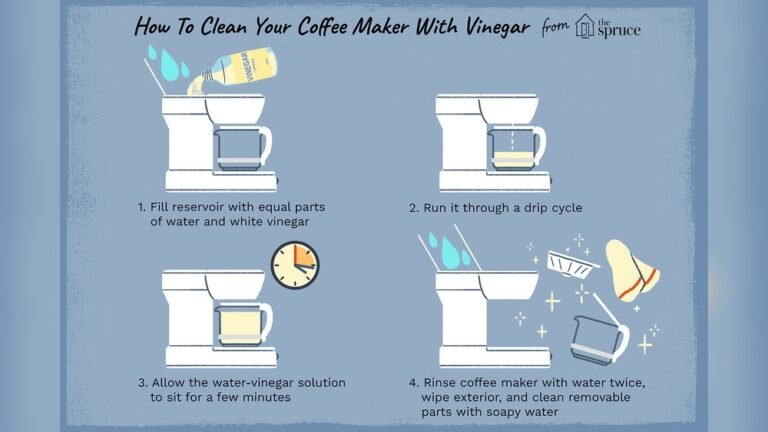
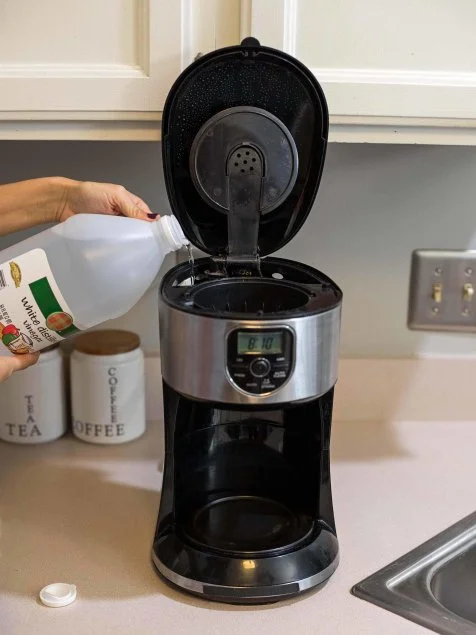
Start by filling the water reservoir with equal parts white vinegar and water. Turn on the coffee maker and begin a full brewing cycle. This allows the vinegar solution to flow through the machine, cleaning internal parts. If your machine has a cleaning mode, use it for best results.
Pausing For Deep Cleaning
Halfway through the cycle, pause the brewing process. Let the vinegar solution sit inside the machine for about one hour. This pause helps dissolve tough stains and mineral deposits. After the wait, resume the brewing cycle to complete the cleaning.
Rinsing With Fresh Water
Once the vinegar cycle finishes, discard the solution and fill the reservoir with fresh water. Run two to three full brew cycles using only water. This step removes any vinegar taste and residue. Clean the carafe and filter basket with warm, soapy water during rinsing. After rinsing, your coffee maker will be ready for use.
Cleaning Removable Parts
Cleaning removable parts of your coffee maker is essential for a fresh brew. Dirt and coffee oils build up in these pieces. Regular washing keeps your coffee tasting great and your machine lasting longer. Focus on the carafe and filter basket for best results.
Washing The Carafe
Remove the carafe from the machine carefully. Fill it with warm water and a few drops of dish soap. Use a soft sponge or cloth to scrub inside gently. Avoid harsh scrubbers to prevent scratches. Rinse the carafe well with clean water. Dry it with a soft towel or let it air dry.
Cleaning The Filter Basket
Take out the filter basket from the coffee maker. Dispose of any used coffee grounds. Wash the basket with warm soapy water. Use a small brush to reach tight spots and holes. Rinse thoroughly under running water. Dry completely before placing it back in the machine.

Credit: marc-sportscars.de
Post-cleaning Tips
After cleaning your coffee maker with vinegar, some important steps follow. These post-cleaning tips ensure your machine stays in great shape. Proper care helps avoid issues and keeps coffee tasting fresh. Follow these simple tips to finish the process right.
Reassembling The Coffee Maker
Make sure all parts are dry before reassembling. Put the filter basket and carafe back in place. Check that everything fits snugly to avoid leaks. Tighten any loose parts carefully but do not force them. This helps the coffee maker work smoothly.
Frequency Of Cleaning
Clean your coffee maker with vinegar at least once a month. If you use it daily, clean it every two weeks. Regular cleaning removes mineral buildup and bacteria. This keeps your coffee tasting good and your machine lasting longer. Adjust cleaning frequency based on water hardness and usage.
Avoiding Vinegar Residue
Run two to three rinse cycles with fresh water after cleaning. This clears out any vinegar taste or smell. Do not skip rinsing as vinegar residue can affect coffee flavor. If you still smell vinegar, run extra water cycles. Your coffee will taste pure and fresh again.
Common Mistakes To Avoid
Cleaning your coffee maker with vinegar is simple and effective. Avoiding common mistakes ensures your machine stays in good shape. These errors can cause damage or leave unwanted tastes. Learning what to avoid helps keep your coffee tasting fresh and your machine lasting longer.
Below are key mistakes to watch out for during the cleaning process.
Using Undiluted Vinegar
Never pour pure vinegar directly into the coffee maker. The strong acidity can damage the machine parts. Always mix vinegar with water in equal parts. This reduces the risk of corrosion and protects the internal components. A diluted solution cleans well without harm.
Skipping Rinse Cycles
Rinsing is crucial after vinegar cleaning. Skipping rinse cycles leaves a strong vinegar smell and taste in your coffee. Run at least two to three cycles with fresh water. This clears out vinegar residues and prevents bad flavors. Proper rinsing keeps your coffee tasting natural.
Ignoring Manufacturer Guidelines
Check your coffee maker’s manual before cleaning. Some models have special instructions or warnings about vinegar use. Ignoring these can void warranties or cause damage. Follow recommended cleaning methods for your specific machine. This ensures safe and effective maintenance.
Alternative Cleaning Methods
Alternative cleaning methods offer different ways to keep your coffee maker fresh and functional. These methods work well if you want to avoid vinegar or try something new. Some use special products made for coffee machines. Others rely on natural ingredients that clean gently but effectively.
Using Commercial Descalers
Commercial descalers are designed to remove mineral buildup fast. They dissolve limescale and coffee oils inside the machine. Most descalers come in liquid or powder form. Use them by following the package instructions carefully. Usually, you mix the descaler with water and run a full brew cycle. Then, rinse the machine with fresh water several times. These products are safe for most coffee makers. They help maintain machine performance and taste.
Natural Cleaning Agents
Natural cleaning agents work well for light cleaning and regular maintenance. Baking soda is a popular choice. Mix a tablespoon with water and run a brew cycle. It neutralizes odors and removes mild stains. Lemon juice also cleans and freshens coffee makers. Its acidity breaks down residue and adds a clean scent. Use fresh lemon juice or bottled lemon concentrate. Run a cycle with lemon juice and water, then rinse well. These natural agents are safe and easy to find.
How Smart Kitchen Connect Can Help You with How to Clean Coffee Maker With Vinegar
Turning Cleaning Into a Practical Learning Experience
Understanding how to clean your coffee maker with vinegar not only keeps your device running smoothly but also offers a practical opportunity to grasp essential kitchen maintenance skills. As you prepare the cleaning solution and follow the cleaning process steps, you’re essentially practicing precision and care—skills that apply broadly in smart kitchen management.
Paying attention to cleaning removable parts reinforces the importance of thoroughness, while avoiding common mistakes helps develop an eye for detail. These habits align well with Smart Kitchen Connect’s mission to simplify and enhance everyday cooking experiences. For those interested in exploring alternative cleaning methods or troubleshooting, feel free to reach out to the team at admin@snartkitchenconnect.com for practical advice tailored to your kitchen setup.
By integrating these cleaning routines into your kitchen habits, you’re not only preserving your coffee maker’s longevity but also embracing a smarter, more efficient approach to home cooking.
Frequently Asked Questions
How Much Vinegar Do You Put In A 12 Cup Coffee Maker To Clean It?
Pour 2 cups of white vinegar into the water reservoir of a 12-cup coffee maker. Run a full brew cycle to clean.
Should You Use A Filter When Cleaning A Coffee Maker With Vinegar?
Do not use a coffee filter when cleaning with vinegar. Run vinegar solution through the machine without a filter for effective descaling.
Can I Clean My Coffee Machine With White Vinegar?
Yes, you can clean your coffee machine with white vinegar. Run a vinegar-water solution through a brew cycle, then rinse thoroughly with water. Wash removable parts separately. This method removes mineral buildup and bacteria effectively, keeping your coffee maker clean and your brew fresh.
How Do I Clean My Mr. Coffee Maker With White Vinegar?
Fill the reservoir with equal parts white vinegar and water. Run a full brew cycle. Pause halfway and let it sit for an hour. Complete the cycle. Rinse by running two to three cycles with fresh water. Wash removable parts with warm, soapy water.
Reassemble and enjoy clean coffee.
Conclusion
Cleaning your coffee maker with vinegar keeps it fresh and working well. Vinegar removes buildup and kills bacteria easily. Remember to rinse your machine thoroughly after cleaning. Regular cleaning helps your coffee taste better every day. A simple vinegar solution saves time and money.
Keep your coffee maker clean for a healthier brew. Try this easy method and enjoy better coffee at home.