
Are your kitchen knives feeling dull and frustrating to use? A sharp knife isn’t just safer—it makes cooking faster and more enjoyable.
Imagine slicing through tomatoes or meat effortlessly, without crushing or tearing. If you want to bring back that smooth, precise cutting power, learning how to sharpen your kitchen knives is a skill you need. In this guide, you’ll discover simple, effective methods to restore your knives’ sharpness using tools you might already have or can easily get.
Ready to transform your cooking experience? Keep reading and take control of your kitchen like a pro.
Essential Sharpening Tools
Sharpening kitchen knives requires the right tools. These tools help keep blades sharp and safe to use. Choosing the best sharpening tool depends on your skill and how dull the knife is. Here are the essential sharpening tools to know.
Whetstones And Their Types
Whetstones are flat stones used to sharpen knives manually. They come in different grits. Coarse grit stones fix very dull blades. Medium grit stones sharpen blades. Fine grit stones polish the edge for smooth cutting. Using whetstones takes practice but offers great control. Soak some whetstones in water before use. Oil stones need oil instead. They last long and sharpen well.
Using Honing Steels
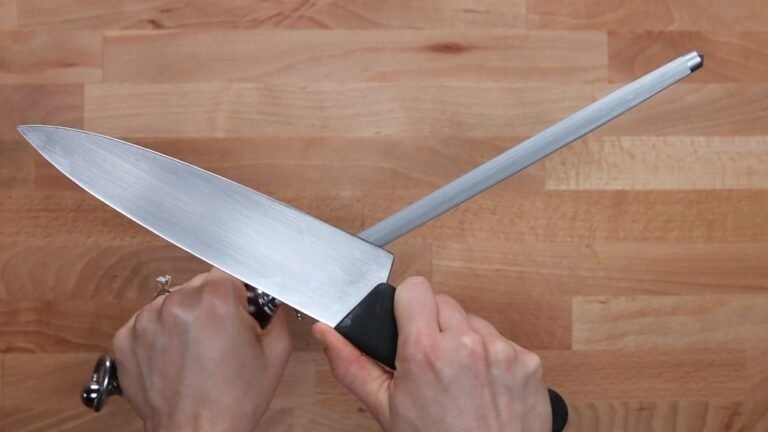
Honing steels do not sharpen but realign the blade’s edge. They keep knives sharp longer between sharpening sessions. Hold the steel vertically and swipe the knife at a 20-degree angle. Do this on both sides of the blade. Honing steels are quick and easy to use. Use them often to maintain sharpness.
Electric Sharpeners And Alternatives
Electric sharpeners are fast and simple. They have slots with abrasive wheels that sharpen the blade. These machines suit beginners and those who want quick results. Some electric sharpeners also hone the blade. Manual pull-through sharpeners are a cheaper alternative. They are easy to use but can remove too much metal if used often.

Credit: www.youtube.com
Preparing Your Knife And Tools
Preparing your knife and tools is the first step to sharp kitchen knives. Proper preparation helps protect the blade and ensures effective sharpening. It also makes the process smoother and safer. Follow these steps carefully before you start sharpening.
Clean, soak, and choose the right tools for the job. These actions make a big difference in sharpening results.
Cleaning The Blade
Start by washing the knife with warm water and mild soap. Remove any food residue or grease. Dry the blade completely with a soft cloth. A clean blade sharpens evenly and avoids damage to the sharpening tools. Never sharpen a dirty knife.
Soaking And Setting Up Whetstones
Most whetstones need soaking before use. Submerge the stone in water for 10 to 15 minutes. This softens the stone and helps it sharpen better. After soaking, place the whetstone on a stable surface. Use a non-slip mat or towel to keep it steady. A steady stone prevents slips and accidents during sharpening.
Choosing The Right Grit
Whetstones come in different grits, from coarse to fine. Coarse grit removes dull edges faster but leaves rough surfaces. Fine grit smooths and polishes the blade for a sharp edge. Start with a coarse grit if the knife is very dull. Use a finer grit to finish and refine the edge. Pick the grit based on your knife’s condition and sharpening goals.
Sharpening Techniques
Sharpening kitchen knives requires precise techniques to achieve a sharp and durable edge. Using the right methods helps maintain your knife’s performance and extends its lifespan. Focus on key sharpening skills for best results. These include maintaining the correct angle, using consistent stroke methods, and employing a honing steel to realign the blade.
Maintaining The Correct Angle
Keeping the correct angle is crucial for effective sharpening. Most kitchen knives need a 15 to 20-degree angle. Holding the blade too steep or too flat can damage the edge. Use a guide or angle marker if you are unsure. Practice helps build muscle memory and control.
Consistent Stroke Methods
Sharpen with steady and even strokes along the sharpening stone. Move the blade from heel to tip in one smooth motion. Apply gentle pressure to avoid removing too much metal. Repeat strokes evenly on both sides of the blade. Consistency ensures a balanced and sharp edge.
Using Honing Steel For Edge Realignment
Honing steel does not sharpen but realigns the blade’s edge. Use it regularly before or after cutting tasks. Hold the steel vertically and swipe the knife blade down at a 15 to 20-degree angle. Alternate sides with each stroke. This process keeps your knife sharp longer between sharpenings.

Credit: www.americastestkitchen.com
Advanced Sharpening Tips
Advanced sharpening tips help keep your kitchen knives in peak condition. They cover special techniques for tough blade issues and different knife types. These tips also explain when to use electric sharpeners safely. Follow these to extend your knives’ life and improve cutting performance.
Dealing With Damaged Or Dull Blades
First, inspect the blade for chips or deep dents. Use a coarse grit whetstone to reshape the edge. Start at a 20-degree angle and make smooth, even strokes. Work slowly to avoid removing too much metal. Once the edge is reshaped, switch to finer stones for polishing. Repeat until the blade feels sharp and smooth.
Sharpening Serrated Knives
Serrated knives need a different approach. Use a sharpening rod or tapered diamond stick. Match the rod size to the serration size for best results. Sharpen each groove individually with gentle, controlled motions. Avoid sharpening the flat side to keep the serrations intact. Regular maintenance keeps serrated knives cutting well without damage.
When To Use Electric Sharpeners
Electric sharpeners work well for quick edge fixes. Use them when knives are mildly dull or need regular upkeep. Avoid electric sharpeners for very damaged blades; they can remove too much metal fast. Always follow the manufacturer’s instructions for angle and pressure. Electric sharpeners save time but require care to protect your knives.
Knife Maintenance For Longevity
Proper knife maintenance extends the life of kitchen knives. Taking care of the blade keeps it sharp and safe. Regular care prevents damage and reduces the need for frequent sharpening. Simple habits protect your investment and improve kitchen work.
Regular Honing Practices
Honing realigns the knife’s edge without removing metal. Use a honing steel before or after each use. Hold the steel vertically and slide the blade down at a 20-degree angle. Repeat on both sides about five to ten times. This keeps the blade straight and sharp longer.
Proper Storage Solutions
Storing knives correctly stops dulling and damage. Avoid tossing knives into drawers where blades can hit other objects. Use a knife block, magnetic strip, or blade guards. These options keep edges protected and reduce accidents. Clean and dry knives before storage to prevent rust.
Avoiding Common Sharpening Mistakes
Sharpening too often can wear blades quickly. Use sharpening stones only when honing no longer works. Keep a consistent angle during sharpening to avoid uneven edges. Do not use electric sharpeners without practice; they can remove too much metal. Always clean blades after sharpening to remove residue.

Credit: www.oxo.com
Safety Measures During Sharpening
Sharpening kitchen knives improves cutting performance and safety during cooking. It requires careful attention to safety measures. Sharp blades can cause serious injury without proper handling.
Following safety rules helps prevent accidents and protects your hands and fingers. Prepare your space and tools before starting. Stay focused and avoid distractions while sharpening.
Handling Blades Carefully
Always hold knives by the handle, never the blade. Keep your fingers away from the sharp edge. Move the knife slowly and steadily across the sharpening surface. Avoid using excessive force to prevent slips. Place the knife on a stable surface when not sharpening.
Using Protective Gear
Wear cut-resistant gloves to protect your hands. Safety glasses shield your eyes from metal particles or debris. Use a sturdy apron to guard your body and clothes. Protective gear adds a safety layer during sharpening tasks.
Safe Sharpening Environment
Choose a clean, dry, and well-lit workspace. Ensure the sharpening tools are secure and stable. Keep children and pets away from the area. Remove clutter to avoid knocking over tools. Maintain focus and take breaks if tired.
Troubleshooting Common Issues
Sharpening kitchen knives can sometimes lead to problems. These issues affect how well your knife cuts and how long the sharpness lasts. Knowing how to fix common problems saves time and effort. It also keeps your knives in good shape for cooking.
Uneven Edges
Uneven edges happen when the blade is sharpened at different angles. This makes cutting hard and unsafe. To fix this, hold the knife steady and keep the sharpening angle the same. Use smooth, even strokes on both sides of the blade. Check the edge often to keep it balanced.
Blade Chipping
Blade chipping means small pieces break off the edge. This usually happens if the knife hits hard surfaces or is sharpened too roughly. Avoid pressing too hard on the sharpener. Use a finer grit stone to smooth the edge after sharpening. Handle knives carefully to stop chips from forming.
Loss Of Sharpness Quickly
Knives that lose sharpness fast need proper care. Sharpen blades fully before use and hone them regularly to keep the edge aligned. Avoid cutting on hard surfaces like glass or stone. Store knives properly to protect the edge. Regular maintenance helps the blade stay sharp longer.
How Smart Kitchen Connect Can Help You with How to Sharpen Kitchen Knives
Enhancing Your Sharpening Skills Through Practical Learning
Understanding the essential sharpening tools and mastering the right techniques are foundational steps, but applying these skills through hands-on practice truly makes a difference. For example, preparing your knife and tools carefully before sharpening ensures not only efficiency but also safety, which is crucial when working with sharp blades.
Engaging in regular maintenance routines, as discussed earlier, can extend the life of your knives and keep them performing at their best. Experimenting with different angles and strokes, while keeping safety measures in mind, allows you to refine your approach and troubleshoot common issues effectively.
- Set up a dedicated sharpening station to streamline the process.
- Practice on various knives to understand how blade types affect sharpening techniques.
- Keep a log of your sharpening sessions to track progress and challenges.
At Smart Kitchen Connect, we appreciate how integrating smart, practical solutions can make these tasks more intuitive. Should you have questions or need further advice, feel free to reach out at admin@snartkitchenconnect.com—sometimes a quick tip can make all the difference in honing your skills.
Frequently Asked Questions
What Is The Best Way To Sharpen A Kitchen Knife?
The best way to sharpen a kitchen knife uses a whetstone at a consistent angle. Soak the stone, then slide the blade evenly. Use a honing steel regularly to realign the edge. Electric sharpeners suit quick maintenance but whetstones offer superior control and sharpness.
What Do Most Chefs Use To Sharpen Knives?
Most chefs use sharpening stones (whetstones) for major sharpening and honing steels to realign the blade’s edge regularly. Some also use electric sharpeners for quick maintenance. These tools help maintain a sharp, precise edge essential in professional kitchens.
Does Aluminum Foil Sharpen Knives?
Aluminum foil does not sharpen knives effectively. It may slightly realign edges but cannot replace proper sharpening tools. Use whetstones or honing rods for best results.
What Not To Do When Sharpening A Knife?
Avoid sharpening a knife with a dull stone or wrong angle. Don’t rush, apply uneven pressure, or use damaged tools. Never sharpen on a dirty or dry stone. Avoid overheating the blade by excessive friction. Do not neglect safety by ignoring proper hand positioning.
Conclusion
Sharpening kitchen knives keeps them safe and effective. Regular sharpening makes cutting easier and more precise. Use the right tools, like whetstones or honing rods. Practice consistent angles and gentle strokes for best results. Keep your knives clean and dry after sharpening.
A sharp knife saves time and improves cooking experience. Try sharpening often to maintain a strong, sharp edge. Your kitchen work will feel smoother and more enjoyable.