
Your kitchen sink drain works hard every day, but it often gets overlooked—until it starts to clog or smell. If you’ve noticed slow draining water or unpleasant odors coming from your sink, it’s time to take action.
Cleaning your kitchen sink drain doesn’t have to be a frustrating chore or require harsh chemicals. With simple, effective methods you can do yourself, you’ll keep your drain clear and your kitchen fresh. In this guide, you’ll discover easy steps to clean your kitchen sink drain using common household items like baking soda and vinegar, plus tips to prevent future problems.
Ready to say goodbye to slow drains and bad smells? Let’s get started!
:max_bytes(150000):strip_icc()/GettyImages-486370362-3eaf92fa99f747009ed7ad78ba044a76.jpg)
Credit: www.southernliving.com
Gather Cleaning Supplies
Before starting to clean your kitchen sink drain, gather all necessary supplies. Having the right tools ready makes the job quicker and easier. This step helps avoid interruptions and ensures a smooth cleaning process.
Essential Cleaning Agents
Start with basic cleaning agents like baking soda and white vinegar. These are natural and effective for removing grime and odors. You may also want a mild dish soap to help break down grease.
Tools For Scrubbing And Clearing
Gather a scrub brush or an old toothbrush. These help clean around the drain and hard-to-reach spots. A pipe brush or drain snake can clear deeper blockages if needed.
Protective Gear
Wear rubber gloves to protect your hands from dirt and cleaning agents. Safety glasses are helpful if you work with strong cleaners or chemicals.
Additional Supplies
Keep a bucket nearby to catch any water or debris. Have clean cloths or paper towels for wiping and drying the sink area after cleaning.
Prepare The Drain
Preparing the kitchen sink drain is the first step in cleaning it effectively. This stage sets the foundation for a smoother cleaning process. Taking time to prepare the drain helps remove blockages and dirt that slow water flow. It also protects your pipes from damage during cleaning. Follow simple steps to ensure your drain is ready for a deep clean.
Remove Visible Debris
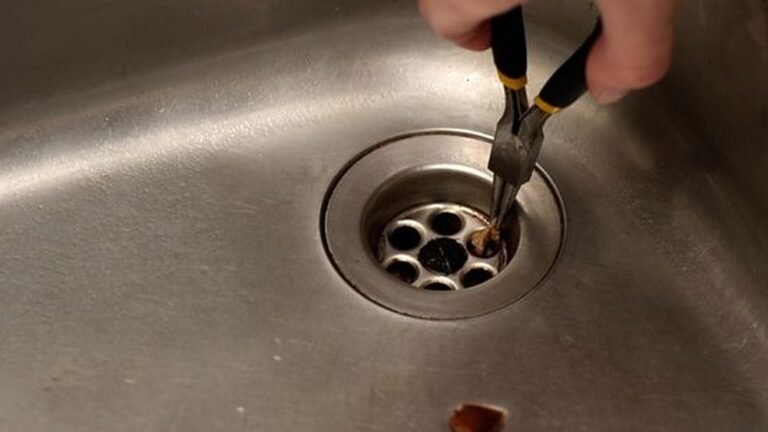
Start by clearing away any visible debris around the drain. Food scraps, hair, or grease can block the sink and cause bad odors. Use gloves and a paper towel or cloth to remove these particles. Check the drain opening carefully to avoid pushing debris further inside. Removing this layer of dirt improves cleaning results and speeds up drainage.
Check For Standing Water
Look inside the sink for any standing water. Water that does not drain signals a clog or slow flow. If you see water, use a cup or small container to scoop it out. Removing standing water makes it easier to access the drain. It also prevents spills and mess while cleaning. Ensure the sink basin is mostly dry before moving on.
Baking Soda And Vinegar Method
The baking soda and vinegar method is a simple and natural way to clean your kitchen sink drain. It uses common household ingredients to break down grease and grime. This method helps freshen your drain and reduce odors without harsh chemicals.
The process creates a fizzing reaction that loosens debris inside the pipes. This makes it easier to flush out the buildup. Follow these easy steps to clean your sink drain effectively.
Pour Baking Soda
Start by pouring half a cup of baking soda directly into the drain. Baking soda is a mild abrasive that helps scrub away dirt. It also neutralizes unpleasant smells in your kitchen sink.
Add Vinegar
Pour half a cup of white vinegar into the drain after the baking soda. Vinegar reacts with baking soda to produce fizzing bubbles. This reaction helps break down grease and grime inside the pipes.
Cover The Drain
Place a drain plug or a wet cloth over the drain opening. This traps the fizzing action inside the drain. The pressure helps push away clogs and buildup more effectively.
Let The Reaction Work
Wait for about 15 minutes to let the baking soda and vinegar react. This gives enough time for the fizz to loosen dirt and grease. Avoid running water during this time for best results.
Flush With Boiling Water
Carefully pour a pot of boiling water down the drain. The hot water flushes away loosened debris and clears the pipes. This step finishes the cleaning process and improves water flow.
Credit: www.liquidplumr.com
Alternative Cleaning Techniques
Sometimes, kitchen sink drains need more than just baking soda and vinegar. Alternative cleaning techniques help clear stubborn clogs and keep drains flowing smoothly. These methods often work faster and can handle tougher blockages. Use tools or products designed to reach deep into the drain and remove buildup effectively.
Use A Plunger
A plunger creates suction to push and pull the clog loose. Fill the sink with enough water to cover the plunger’s cup. Place the plunger over the drain and push down firmly. Pull up quickly, then repeat several times. This action can dislodge trapped debris and restore water flow.
Employ A Drain Snake
A drain snake is a flexible tool that reaches deep inside pipes. Insert the snake into the drain and twist the handle. The snake breaks up or pulls out clogs blocking the pipe. It works well on hair, grease, and food buildup. Clean the snake after use to avoid spreading germs.
Try Commercial Drain Cleaners
Commercial drain cleaners use chemicals to dissolve clogs fast. Choose a product made for kitchen drains and follow instructions carefully. Pour the cleaner into the drain and wait the recommended time. Flush the drain with hot water to clear the dissolved residue. Use these cleaners sparingly to protect pipes and the environment.
Preventive Maintenance Tips
Keeping your kitchen sink drain clean prevents blockages and bad odors. Simple steps help maintain smooth drainage and avoid costly plumbing problems. Regular care saves time and keeps your kitchen fresh.
Regular Flushing With Baking Soda And Vinegar
Pour half a cup of baking soda into the drain. Follow it with half a cup of vinegar. Let the mixture bubble for 15 minutes. Flush the drain with hot water to clear buildup. Do this once a week to keep drains clear and fresh.
Avoid Pouring Grease And Food Waste
Never pour cooking grease down the drain. Grease hardens and blocks pipes. Scrape food scraps into the trash or compost bin. This keeps your drain free from clogs and slows grease buildup.
Use Drain Strainers
Place a strainer over your drain opening. It catches food particles and debris. Empty the strainer regularly to stop blockages. Drain strainers are cheap and easy tools to protect your plumbing.
Credit: www.youtube.com
Safety And Pipe Care
Cleaning your kitchen sink drain is important for hygiene and smooth water flow. Safety matters during cleaning. Protect your pipes from damage. Proper care extends the life of your plumbing. Follow simple steps to keep pipes healthy and avoid costly repairs.
Check Pipe Material Compatibility
Know your pipe material before cleaning. Common pipes include PVC, copper, and galvanized steel. Some cleaners work well on certain pipes but harm others. Avoid using harsh substances on delicate pipes. Check the manufacturer’s guidelines if unsure. Use gentle methods for plastic and older pipes. This prevents corrosion and leaks. Protect your plumbing by choosing safe cleaning products.
Avoid Harsh Chemicals On Old Pipes
Old pipes are fragile and prone to damage. Strong chemicals can cause corrosion or cracks. Avoid using bleach, drain cleaners with lye, or acids. These substances may clean quickly but harm pipes long-term. Use natural options like baking soda and vinegar instead. They clean effectively without risks. For tough clogs, try mechanical tools like a plunger or drain snake. Protect old pipes for lasting kitchen health.
How Smart Kitchen Connect Can Help You with How to Clean Kitchen Sink Drain
Practical Learning Opportunities in Kitchen Sink Drain Cleaning
Understanding how to clean your kitchen sink drain effectively goes beyond just following steps; it’s an opportunity to develop practical skills that enhance your kitchen maintenance routine. For instance, gathering the right cleaning supplies and preparing the drain properly not only ensures better results but also teaches you how different tools and materials interact within your home environment.
Experimenting with the baking soda and vinegar method offers insight into eco-friendly cleaning practices, helping you appreciate safe alternatives to harsh chemicals. Additionally, learning preventive maintenance tips equips you to keep your drain flowing smoothly and avoid frequent clogs, saving time and effort in the long run.
- Observe how each step affects the drain’s condition
- Note the impact of regular cleaning on pipe health
- Understand the importance of safety and pipe care in maintenance
Smart Kitchen Connect encourages curious home chefs and busy professionals to embrace these hands-on experiences, promoting a smarter, more efficient kitchen. For any questions or further advice, you can reach out to admin@smartkitchenconnect.com — a helpful resource for practical kitchen insights.
Frequently Asked Questions
Do Baking Soda And Vinegar Really Clean Drains?
Baking soda and vinegar clean drains by fizzing to loosen minor clogs and buildup. Use boiling water to flush debris. This method suits light blockages and maintenance but won’t clear serious clogs, which need stronger tools or cleaners. Repeat for persistent light clogs.
How To Get Rid Of Brown Gunk In Sink Drain?
Pour baking soda into the drain, then add vinegar. Cover the drain to trap fizzing. After 15 minutes, flush with boiling water. Repeat if needed. Use a plunger or drain snake for stubborn brown gunk. Regular cleaning prevents buildup and odors.
What Dissolves Hair In A Clogged Drain?
Enzyme-based drain cleaners dissolve hair by breaking down proteins. Chemical cleaners with sodium hydroxide or sulfuric acid also melt hair clogs effectively. Avoid using harsh chemicals on old pipes to prevent damage. For minor clogs, baking soda and vinegar help but may not fully dissolve hair.
How To Remove Sludge From A Kitchen Sink Drain?
Pour half a cup of baking soda into the drain, then add half a cup of vinegar. Cover the drain to contain fizzing. After 15 minutes, flush with boiling water. Repeat if needed. Use a plunger or drain snake for stubborn clogs.
Conclusion
Cleaning your kitchen sink drain keeps your kitchen fresh and safe. Regularly using simple methods prevents clogs and bad smells. Baking soda and vinegar work well for light buildup and odors. Remember to flush with hot water to clear loosened debris.
For tough blockages, consider other tools or help. Keep your drain clean to avoid plumbing problems later. A clean drain means a healthier kitchen environment. Try these easy steps to maintain your sink drain today.