Are you curious about a new trend that’s shaking up the food industry but might sound a bit mysterious? That’s exactly what a ghost kitchen is.
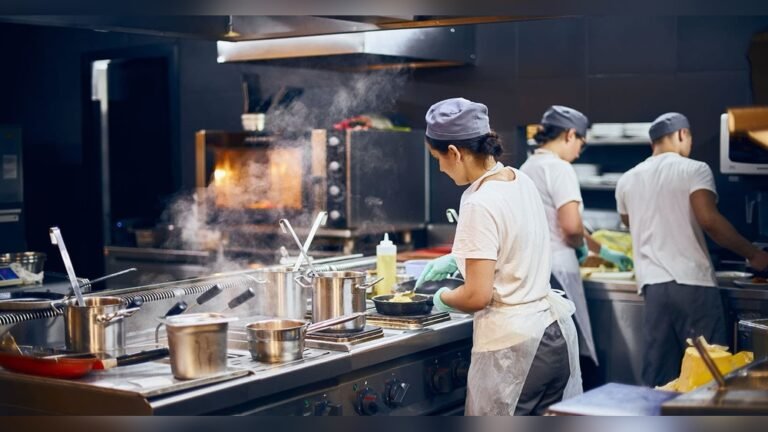
Imagine ordering your favorite meal online and having it prepared in a kitchen with no dining room, no waiters, and no storefront. Ghost kitchens focus solely on cooking food for delivery, cutting out the usual restaurant extras. If you’ve ever wondered how your food arrives so quickly or thought about starting a food business with lower costs, understanding ghost kitchens is key.
Keep reading, and you’ll discover how these hidden kitchens work, why they’re growing fast, and what this means for your next meal or business idea.

Credit: www.itsacheckmate.com
Ghost Kitchen Basics
Understanding ghost kitchens starts with the basics. These kitchens focus on preparing food solely for delivery. They do not have dining rooms or storefronts for customers. This model shifts the traditional restaurant setup to a more digital and delivery-centered approach.
What Ghost Kitchens Are
Ghost kitchens are professional food preparation spaces. They serve customers only through online orders. These kitchens do not welcome walk-in diners. They rely on apps or websites for taking orders and delivering food.
How They Operate
Staff in ghost kitchens cook meals based on digital orders. Food is packaged and sent out by delivery services. Many ghost kitchens use third-party apps like UberEats or DoorDash. Some manage their own delivery fleets. This setup allows them to focus fully on food quality and speed.
Difference From Traditional Restaurants
Traditional restaurants offer dining spaces and direct customer service. Ghost kitchens skip the dining area and front-of-house staff. They save costs on rent, decor, and servers. This makes ghost kitchens more flexible and often less expensive to run.
Growth Drivers
Several factors have fueled the rapid growth of ghost kitchens. These kitchens rely heavily on delivery and digital ordering. Their rise reflects changes in how people eat and how technology supports food service. Understanding these growth drivers helps explain why ghost kitchens are becoming more common.
Rise Of Online Food Delivery
Online food delivery platforms have expanded quickly. Services like UberEats and DoorDash make ordering food easy and fast. More people choose delivery over dining out. This shift creates demand for kitchens that focus only on preparing delivery meals. Ghost kitchens fit perfectly into this delivery-first model.
Changing Consumer Habits
People want convenience and speed in their meals. Busy lifestyles lead to more takeout and delivery orders. Consumers seek variety and new food options without leaving home. Ghost kitchens can offer diverse menus without physical dining spaces. This flexibility meets the needs of modern customers.
Technology Enablers
Technology plays a key role in ghost kitchen growth. Online ordering systems streamline customer experience. Data analytics help kitchens optimize menus and operations. Kitchen management software improves efficiency and reduces waste. Technology allows ghost kitchens to operate smoothly and scale quickly.
Business Models
Ghost kitchens use different business models to serve customers and manage costs. These models help operators focus on delivery and grow their brands efficiently. Understanding these models can clarify how ghost kitchens work and succeed.
Single-brand Kitchens
Single-brand kitchens focus on one restaurant brand only. They prepare and deliver food from this one menu. This model helps maintain consistent quality and brand identity. It suits established restaurants expanding delivery services without a physical dining area.
Multi-brand Operations
Multi-brand operations cook for several restaurant brands from one kitchen. This setup maximizes kitchen use and reduces costs. Operators can test new concepts without extra rent or staff. It also allows them to serve different customer tastes from the same location.
Partnerships With Delivery Platforms
Many ghost kitchens partner with delivery platforms like UberEats and DoorDash. These platforms provide access to a large customer base. Kitchens benefit from fast order processing and reliable delivery. The partnership reduces the need for their own delivery staff and marketing efforts.
Profitability Factors
Profitability is the key to success for any ghost kitchen. Several important factors influence how much profit these kitchens can make. Understanding these factors helps operators run their business better and earn more.
Profitability depends on cutting costs, working efficiently, growing fast, and meeting customer demand. Each factor plays a vital role in increasing earnings and sustaining the business.
Lower Overhead Costs
Ghost kitchens save money by skipping the dining area. They do not pay for front-of-house staff or expensive decor. Rent is cheaper since they do not need prime locations. These savings reduce overall expenses and boost profits.
Operational Efficiency
Focusing only on delivery allows ghost kitchens to work smoothly. They can plan menus to reduce food waste. Inventory is easier to manage with fewer items. Staff can specialize in cooking and packing, speeding up orders and cutting errors.
Scalability Advantages
One kitchen can run several food brands at once. This increases sales without much extra cost. Operators can test new menu ideas quickly. Expanding to new areas is simpler with a flexible kitchen setup.
High Demand For Delivery
More people want food delivered to their homes. Ghost kitchens meet this demand by offering fast, convenient meals. They partner with popular delivery apps to reach many customers. This steady demand supports steady income and growth.
Challenges Faced
Ghost kitchens face several challenges that impact their success. These challenges affect operations, customer satisfaction, and profitability. Understanding these difficulties helps operators prepare better strategies.
Delivery Fees Impact
Delivery apps charge high fees to ghost kitchens. These fees reduce profit margins significantly. Kitchens must pay commissions for each order placed. Sometimes, fees reach 30% or more of the order value. This cost forces kitchens to raise prices or accept lower profits. Both options can hurt customer loyalty and sales volume.
Maintaining Food Quality
Food quality can drop during delivery. Meals must stay fresh and hot after preparation. Packaging plays a key role in preserving taste and temperature. Poor packaging leads to soggy or cold food. This harms the customer experience and can reduce repeat orders. Kitchens must invest in quality materials and efficient cooking methods.
Customer Perception Issues
Customers may doubt ghost kitchens’ reliability. Lack of a physical location creates trust concerns. Some buyers worry about hygiene and food safety. Others miss the traditional restaurant atmosphere. Building a strong brand and clear communication is essential. Positive reviews and good service help improve reputation.
Increasing Competition
The ghost kitchen market grows fast with many new players. More kitchens mean harder competition for customers. Standing out becomes challenging without unique menus or marketing. Kitchens must innovate and maintain high standards. Failing to do so risks losing market share quickly.
Technology And Innovation
Technology fuels ghost kitchens, making them efficient and agile. It shapes how these kitchens operate daily, from receiving orders to preparing meals. Innovations help manage high demand and keep costs low.
Order Management Systems
Order management systems handle incoming orders from many platforms. They consolidate orders into a single screen for easy tracking. This reduces mistakes and speeds up order processing. Automated alerts notify staff about new orders instantly. This system improves customer satisfaction by ensuring timely delivery.
Kitchen Automation
Kitchen automation uses machines to assist chefs with routine tasks. Robots can chop, stir, and cook with precision. Automation lowers labor costs and increases output speed. It also helps maintain consistent food quality. This technology supports staff during busy hours, reducing errors and stress.
Data Analytics For Optimization
Data analytics collects information on sales, inventory, and customer preferences. It reveals patterns that help adjust menus and stock levels. Analytics also optimize delivery routes and times for faster service. Insights from data improve marketing strategies and customer engagement. Using data helps ghost kitchens stay competitive and profitable.
Market Outlook
The ghost kitchen market is evolving quickly across many regions. More consumers prefer ordering food online. This trend fuels demand for delivery-only kitchens. Businesses see chances to expand without traditional restaurant costs.
Technology and changing habits support this growth. Many companies invest in ghost kitchens to reach customers faster. The market outlook shows steady growth with new models emerging.
Projected Growth Trends
Experts predict the ghost kitchen market will grow significantly. The global market size may double within a few years. Online food delivery is a key driver. More people use apps to order meals than before.
Urban areas show higher growth due to population density. Ghost kitchens can serve many customers quickly here. The low cost of setting up kitchens helps new players enter the market. Growth is expected in both developed and developing countries.
Emerging Opportunities
New technologies improve kitchen efficiency and order handling. Automation and data analytics help optimize operations. Brands can test menus without large investments. This lowers risk and speeds up innovation.
Partnerships with delivery platforms open wider markets. Some ghost kitchens target niche foods or dietary needs. This specialization attracts loyal customers. Expanding into suburbs and smaller cities offers fresh growth potential.
Potential Risks
High competition is a major challenge for ghost kitchens. Many operators enter the market, increasing pressure on profits. Delivery fees charged by third-party apps reduce margins. Maintaining food quality during delivery can be difficult.
Regulations and zoning laws may limit kitchen locations. Consumer trust depends on hygiene and timely service. Economic downturns could lower spending on takeout. Operators must adapt quickly to stay profitable.
:max_bytes(150000):strip_icc()/Ghost-Kitchens-Walmart-FT-BLOG0921-f547702d77384fec9a29a6325fc58e57.jpg)
Credit: www.foodandwine.com
Starting A Ghost Kitchen
Starting a ghost kitchen requires careful planning and clear steps. It involves setting up a kitchen space, choosing a strategic location, and creating strong marketing plans. Each part plays a key role in the success of the business. Understanding these basics can help new owners avoid common mistakes and build a solid foundation.
Initial Setup Requirements
First, secure a commercial kitchen space with proper licenses. The kitchen must meet health and safety standards. Invest in quality cooking equipment and storage facilities. Plan a simple menu that works well for delivery. Hire skilled staff who can prepare food quickly and maintain quality. Use a reliable order management system to handle online orders efficiently.
Choosing The Right Location
Pick a location near busy neighborhoods or business districts. This reduces delivery time and keeps food fresh. Consider areas with high demand for food delivery services. The site should have easy access for delivery drivers. Avoid places with high rent to keep costs low. A good location supports faster service and happier customers.
Marketing Strategies
Create a clear brand identity with a memorable name and logo. Use social media to reach local customers and share special offers. Partner with popular food delivery apps to increase visibility. Encourage customers to leave reviews and share feedback. Offer promotions to attract first-time buyers. Consistent marketing helps build a loyal customer base and drives sales.

Credit: merchants.doordash.com
How Smart Kitchen Connect Can Help You with What is a Ghost Kitchen
Exploring Practical Learning Opportunities in the Ghost Kitchen Space
Understanding what a ghost kitchen entails opens the door to numerous practical learning experiences, especially when considering the business models and technology innovations that drive this sector. For those curious about starting a ghost kitchen, delving into profitability factors and the challenges faced offers valuable insights into real-world operations.
Engaging with platforms like Smart Kitchen Connect can provide hands-on knowledge about integrating smart kitchen solutions that streamline workflows and enhance efficiency—key elements for success in a delivery-only kitchen environment. Exploring how technology optimizes order management and kitchen automation can help aspiring operators grasp the nuances of running a ghost kitchen.
- Study various business models to see which aligns best with your goals.
- Analyze profitability factors to understand cost management and revenue streams.
- Learn about technology’s role in overcoming operational challenges.
For additional resources or guidance on smart kitchen innovations, reaching out via admin@snartkitchenconnect.com can be a helpful step to deepen your understanding and practical skills in this evolving culinary landscape.
Frequently Asked Questions
What Is The Concept Of A Ghost Kitchen?
A ghost kitchen is a delivery-only restaurant without a physical dining space. It prepares meals solely for online orders via apps or its own delivery service. This model reduces overhead and focuses on efficient food preparation for fast delivery.
How Do You Tell If A Place Is A Ghost Kitchen?
A ghost kitchen has no storefront and serves only online delivery orders. It operates as a virtual restaurant with no dine-in option. Staff prepare food solely for delivery apps or direct online sales. Lack of a physical dining space indicates a ghost kitchen.
Do Ghost Kitchens Make Money?
Yes, ghost kitchens can make money by reducing overhead and focusing on delivery efficiency. Success depends on managing costs, maintaining food quality, and handling delivery fees. They benefit from scalability and growing online demand but face challenges like competition and customer perception.
Do Mcdonald’s Use Ghost Kitchens?
McDonald’s uses ghost kitchens to expand delivery services without physical dining spaces. They focus on online orders through delivery apps. This strategy helps McDonald’s reach more customers efficiently while reducing overhead costs. Ghost kitchens support their growing digital ordering demand.
Conclusion
Ghost kitchens change how food reaches customers today. They focus on delivery, not dine-in service. This model lowers costs and speeds up service. Many new and existing restaurants use ghost kitchens. They help meet growing demand for online food orders.
Challenges like delivery fees and food quality remain. Still, ghost kitchens offer a flexible way to run a restaurant. They shape the future of the food industry. Understanding ghost kitchens helps you see this trend clearly.