
Are ants invading your kitchen and turning your cooking space into their playground? You’re not alone—and the good news is, you don’t have to live with them.
These tiny invaders may seem harmless, but they can quickly multiply and create a real nuisance. If you want to take back control of your kitchen and stop ants in their tracks, you need simple, effective strategies that really work.
You’ll discover easy steps to clean up, block entry points, and use natural baits to eliminate ants for good. Ready to say goodbye to those unwanted guests and enjoy a spotless, ant-free kitchen? Let’s dive in and get started!
Clean Up Food And Water
Cleaning up food and water sources in your kitchen is essential to stop ants from invading. Ants search for crumbs and spills to eat, and water to drink. Removing these attractants helps keep ants away and prevents new colonies from forming. Simple cleaning habits can make a big difference in your kitchen’s ant problem.
Wipe Spills And Crumbs
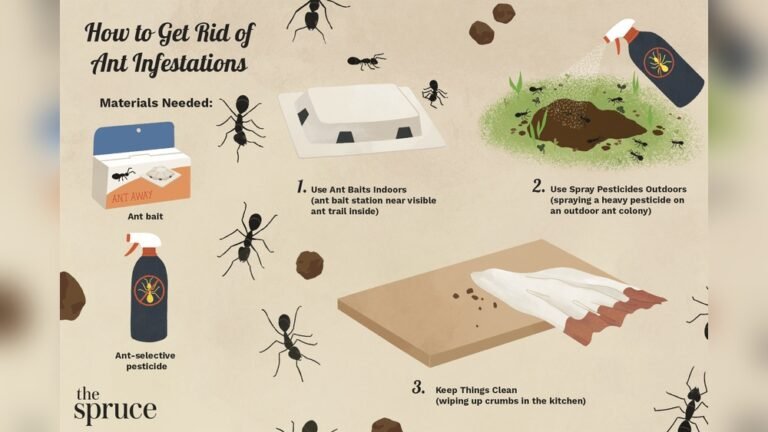
Wipe counters and tables after meals. Clean crumbs from floors and under appliances. Use a damp cloth to remove sticky spills quickly. Even small crumbs can attract ants. Regular wiping removes their food sources and discourages ants from exploring your kitchen.
Wash Dishes Quickly
Do not leave dirty dishes in the sink. Rinse dishes right after use and load the dishwasher. Food residue on plates attracts ants fast. Keeping dishes clean reduces the chance of ants finding food. A clean sink and dish area lowers ant activity significantly.
Empty Garbage Regularly
Take out the trash daily or as needed. Use garbage bins with tight-fitting lids. Food scraps in garbage create a strong ant attractant. Regularly emptying garbage stops ants from feeding on waste. Clean garbage areas to remove any spills or smells.
Remove Standing Water
Ants need water to survive like people do. Wipe around sinks and pipes to remove water drops. Fix leaks under sinks and appliances quickly. Use a drain cover to keep water from pooling. Dry areas reduce ants’ access to water and help keep them out.
Set Baits And Traps
Setting baits and traps helps control ants by targeting the entire colony. Ants take bait back to their nest, spreading poison to others. This method is safe and effective for kitchen ant problems. Here are easy ways to set baits and traps in your kitchen.
Use Commercial Bait Stations
Buy bait stations from stores or online. Place them near ant trails or entry points. Ants eat the bait and carry it to the colony. The poison slowly kills the queen and workers. Keep stations out of reach of children and pets. Replace baits as needed for best results.
Make Diy Borax Bait
Mix 1 part borax with 3 parts sugar. Add enough water to form a syrup. Put the bait on small pieces of cardboard or in shallow containers. Place these near ant activity spots. Ants are attracted to the sugar and carry borax to the nest. Borax poisons ants but is less harmful to humans.
Try Baking Soda And Sugar Mix
Combine equal parts baking soda and sugar powder. Sprinkle the mix near ant trails and corners. Sugar attracts ants while baking soda disrupts their digestive system. This simple bait is safe and easy to use. Reapply after cleaning or when the mix is gone.
Block Entry And Trails
Stopping ants from entering your kitchen is key to controlling them. Blocking their entry points and disrupting their trails helps keep ants away. This method prevents more ants from coming inside and confuses the ones already there. Simple natural solutions can work well for this task.
Spray Vinegar Or Lemon Juice
Vinegar and lemon juice break the ants’ scent trails. Mix equal parts of vinegar or lemon juice with water. Spray this mixture along baseboards, windowsills, and door frames. The strong smell masks their paths and stops ants from following each other.
Repeat spraying every few days. It also cleans surfaces where ants walk. This keeps your kitchen fresh and less inviting to ants.
Seal Cracks And Gaps
Ants enter through tiny cracks and holes. Look carefully around windows, doors, and walls for gaps. Use caulk or weather stripping to seal these openings. This blocks ants from sneaking inside.
Don’t forget to check near pipes and vents. Sealing these stops ants from finding easy access points. A well-sealed kitchen is a strong defense against ants.
Draw Barriers With Chalk Or Spices
Chalk lines confuse ants and stop them from crossing. Draw a thick line of chalk near entry points and trails. The powdery texture disrupts their scent paths.
Spices like cinnamon, cayenne pepper, or black pepper work too. Sprinkle these spices where ants enter or move. Their strong smell and taste repel ants effectively. Reapply after cleaning or rain.

Credit: www.peskypossum.com.au
Natural Repellents
Natural repellents offer a safe way to keep ants away from your kitchen. These options avoid harsh chemicals and protect your family and pets. They also target ants without killing them immediately, which helps disrupt their trails and stops more ants from coming.
Using natural repellents regularly can reduce ant visits. They work by masking scents ants use to navigate. This confuses ants and makes your kitchen less attractive to them.
Peppermint Oil Sprays
Peppermint oil is a strong ant deterrent. Ants dislike the sharp smell and avoid areas treated with it. To make a spray, mix 10 drops of peppermint oil with 1 cup of water in a spray bottle. Shake well before use.
Spray this solution around entry points, countertops, and cabinets. Repeat every few days or after cleaning. Peppermint oil also leaves a fresh scent in your kitchen. It is safe to use near food areas when applied carefully.
Dish Soap Solutions
Dish soap breaks down ants’ scent trails and removes pheromones. Mix a few drops of liquid dish soap with water in a spray bottle. Spray directly on ants and on surfaces they travel.
This solution disrupts their paths and makes it harder for ants to find food. Use the dish soap spray to clean countertops, floors, and cabinet edges. It is a simple, cost-effective method to repel ants naturally.
When To Call Professionals
Knowing when to call professionals for ant problems in your kitchen is important. Simple DIY methods work for small ant issues. But some situations need expert help quickly. Professionals have tools and knowledge to stop ants safely and fully. Acting early avoids bigger problems later.
Signs Of Severe Infestation
Large groups of ants moving inside show a serious problem. Finding many ants at once means a big colony lives nearby. Ants appear even after cleaning and using baits. You might see ants near food, water, or electrical devices. These signs tell you the infestation is too strong for home methods.
Colony Nesting Indoors
Seeing ants inside walls, cabinets, or hidden spots means they build nests indoors. Indoor nests are hard to reach and remove. Ants inside the house cause faster spreading and more damage. Professionals can find and destroy nests inside walls or floors. They stop ants from coming back quickly.
Structural Damage Concerns
Some ants cause harm to wood and structures. Carpenter ants dig tunnels that weaken cabinets, walls, or floors. If you notice wood dust or hollow sounds in wood, damage may exist. Structural damage is risky and costly. Experts can check and fix damage while removing ants safely.

Credit: www.planetorange.com
:max_bytes(150000):strip_icc()/SPR-how-to-get-rid-of-ants-in-your-kitchen-7558011-430413987c7f4b868c822314335f0d45.jpg)
Credit: www.thespruce.com
How Smart Kitchen Connect Can Help You with How to Get Rid of Ants in the Kitchen
Turning Kitchen Pest Control into a Learning Experience
Dealing with ants in the kitchen offers a great chance to sharpen your practical skills in home maintenance and hygiene. For instance, consistently cleaning up food and water sources not only discourages ants but also helps cultivate disciplined kitchen habits that enhance overall food safety.
Setting baits and traps is another practical skill, blending observational insights with hands-on problem-solving. Understanding ant behavior and strategically placing traps can teach patience and attention to detail—qualities valuable beyond pest control.
Additionally, blocking entry points encourages a deeper look into your kitchen’s structure and layout, fostering a mindset of proactive home care. For tech-savvy home chefs, integrating smart kitchen solutions can further aid in maintaining a cleaner, more efficient space.
Organizations like Smart Kitchen Connect emphasize this blend of innovation and practicality, aligning well with busy professionals seeking smarter kitchen management. If you need tailored advice or want to explore smart kitchen ideas, reaching out via admin@snartkitchenconnect.com can be a helpful resource.
Frequently Asked Questions
How Do I Get Rid Of Little Ants In My Kitchen?
Clean all food crumbs and spills thoroughly. Use ant bait stations to kill the colony. Wipe trails with vinegar or lemon juice. Seal cracks and entry points with caulk. Remove standing water and keep the kitchen dry to prevent ants from returning.
Why Are There Suddenly So Many Ants In My Kitchen?
Ants invade kitchens searching for food and water, especially during warmer months. Crumbs, spills, and open trash attract them. They follow scent trails into your home. Sealing entry points and keeping surfaces clean helps prevent infestations.
What Is The Best Ant Killer For Kitchens?
The best ant killer for kitchens combines bait stations with borax or commercial baits. Clean thoroughly and seal entry points. Use natural repellents like vinegar or peppermint oil to disrupt trails and prevent re-infestation.
Which Smell Do Ants Hate?
Ants hate strong smells like vinegar, peppermint oil, lemon juice, cinnamon, and cayenne pepper. These scents repel and disrupt their trails.
Conclusion
Getting rid of ants in the kitchen takes patience and care. Keep the area clean and dry to stop their food source. Use baits to target the entire colony effectively. Wipe away scent trails with natural repellents like vinegar or lemon juice.
Seal cracks and gaps to block ant entry points. Regular checks help prevent ants from returning. Small steps make a big difference in keeping your kitchen ant-free. Stay consistent, and your kitchen will stay clean and pest-free.