
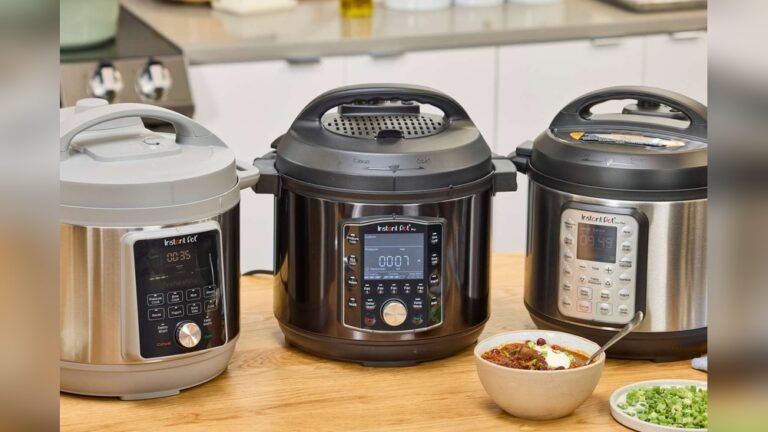
Are you torn between choosing a smart Wi-Fi Instant Pot and a regular model? You’re not alone.
With so many options on the market, it can be hard to decide if the extra features are truly worth the price. Imagine controlling your Instant Pot from your phone—setting timers, adjusting settings, and monitoring your meal without even being in the kitchen.
Sounds convenient, right? But does that convenience translate to better cooking results or just extra bells and whistles? You’ll discover the real differences between smart and regular Instant Pots, helping you make a choice that fits your lifestyle and cooking needs perfectly. Keep reading to find out if upgrading to a Wi-Fi Instant Pot will truly make your life easier—or if the classic version is all you really need.

Credit: instantpot.com
Smart Instant Pot Features
Smart Instant Pots offer advanced features that change how you cook. They connect to Wi-Fi and let you control cooking remotely. These features make meal preparation easier and more flexible. Below are key smart features that stand out.
Wi-fi Connectivity Benefits
Wi-Fi lets you start or stop cooking from anywhere. You can check the cooking status on your phone. This saves time and helps manage meals better. It also sends alerts when food is ready or needs attention. No more standing by the pot.
App Control And Customization
The Instant Pot app offers many cooking options. You can choose from preset recipes or customize settings. Adjust temperature, pressure, and cooking time easily. The app also stores favorite recipes for quick access. It guides you step-by-step for perfect results.
Voice Assistant Integration
Smart Instant Pots work with voice assistants like Alexa and Google. You can start cooking with simple voice commands. This hands-free control adds convenience during busy kitchen moments. Voice support helps multitask without touching the pot.

Credit: www.amazon.com
Regular Instant Pot Basics
The regular Instant Pot is a popular kitchen device. It combines several cooking tools into one appliance. Many home cooks trust it for everyday meals. Understanding its basics helps decide if it suits your needs.
This section explains the core features of a regular Instant Pot. It covers how it works, its controls, and its cooking performance. These points show what to expect from this handy cooker.
Standard Cooking Functions
The regular Instant Pot offers multiple cooking modes. It can pressure cook, slow cook, sauté, steam, and keep food warm. These functions cover most recipes you want to prepare. The preset programs make cooking simple and fast.
Manual Controls
This model uses buttons and a digital display for control. Users select cooking modes and adjust time and pressure manually. It requires some learning but stays straightforward. The controls work without internet or apps.
Performance And Reliability
Regular Instant Pots are known for consistent cooking results. They heat up quickly and maintain steady pressure. Most users find them durable and dependable. Proper care and cleaning keep them working well for years.
Comparing Cooking Performance
Comparing the cooking performance of a smart Instant Pot versus a regular model reveals key differences. Both devices cook food well. Yet, their speed, precision, and functions show notable contrasts. These points help decide if the Wi-Fi feature is worth the extra cost.
Speed And Efficiency
Regular Instant Pots heat up quickly and cook food fast. They use high pressure to reduce cooking time. Smart Instant Pots offer similar speed. The Wi-Fi connection does not slow cooking down.
Smart models add efficiency by letting you start cooking remotely. This saves time by preparing meals before you reach the kitchen. Regular versions need manual setup, which takes extra time. Overall, smart pots offer slight gains in daily convenience.
Cooking Precision
Smart Instant Pots provide better cooking control through app settings. You can adjust temperature and cooking time precisely. This reduces mistakes and improves food quality. Regular models have preset buttons that limit fine tuning.
Smart pots monitor cooking progress and send alerts. This helps avoid overcooking or undercooking meals. Regular Instant Pots rely on built-in timers without feedback. For users who want exact results, smart models have an edge.
Functionality Limitations
Regular Instant Pots have all essential functions like pressure cook, slow cook, and sauté. They cover most cooking needs without extra features. Smart Instant Pots include these plus remote control and recipe integration.
Some smart features depend on app connectivity and Wi-Fi strength. Without internet, smart pots work like regular ones but lose their extra benefits. Regular Instant Pots have no such reliance on technology. This makes them simpler but less flexible.
User Experience And Ease
The user experience and ease of use are key when choosing between a smart Wi-Fi Instant Pot and a regular model. How simple it is to operate, the convenience it offers, and the effort needed for cleaning matter most. These factors shape daily cooking routines and overall satisfaction with the appliance.
Learning Curve
Regular Instant Pots have straightforward controls. Buttons and dials are easy to understand. Most users learn quickly after a few uses. Smart Wi-Fi models add a digital screen and app controls. This can feel complex at first. Users may need time to explore the app features. The app offers recipes and remote control. This benefit comes with a small learning curve.
Convenience Factors
Smart Instant Pots let users start cooking remotely via their phone. This saves time and fits busy schedules. They send alerts when cooking finishes. This helps avoid overcooking. Regular models need manual monitoring. Both models have preset programs for common meals. The smart version offers more customization. Convenience depends on how much control a user wants.
Cleaning And Maintenance
Both smart and regular Instant Pots use similar pots and lids. These parts are dishwasher safe and easy to clean. The smart model has extra electronic parts. Care is needed to avoid water damage to controls. Regular pots have fewer parts, so cleaning is simpler. Maintenance involves checking seals and cleaning the heating element in both types. Overall, cleaning effort is mostly the same.
Durability And Lifespan
Durability and lifespan are key factors when choosing between a smart Wi-Fi Instant Pot and a regular model. Knowing how long your appliance will last helps you decide if the extra features are worth the price. Both types are designed to handle daily cooking tasks, but their longevity depends on build quality and usage habits.
Smart Instant Pots have more electronic parts, which may affect their lifespan. Regular Instant Pots have simpler designs, often meaning fewer parts that can fail. Understanding typical lifespan, common issues, and warranty options will guide you in making a smart purchase.
Typical Lifespan Expectations
Most Instant Pots last between five and seven years with regular use. Proper care and cleaning can extend their life. Smart models with Wi-Fi features may have a slightly shorter lifespan due to complex electronics. Regular models tend to last longer because they have fewer digital components. Users often report consistent performance for several years from both types.
Common Issues And Repairs
Sealing rings wear out and need replacement every 12 to 18 months. Smart Instant Pots may face issues with Wi-Fi connectivity or touchscreen malfunctions. Regular Instant Pots usually have fewer electronic problems but may have heating element or sensor failures. Repairs can be simple, such as replacing seals or buttons. More complex electronic fixes might require professional service or unit replacement.
Warranty And Support
Instant Pot offers a one-year limited warranty for both smart and regular models. Some retailers or sellers provide extended warranty options. Customer support is available via phone, email, and online resources. Warranty covers manufacturing defects but not damage from misuse. Registering your product online can help with faster support and claim processing.

Credit: www.amazon.com
Price And Value Analysis
Understanding the price and value of a Wi-Fi Instant Pot compared to a regular model helps you decide wisely. This section breaks down costs and benefits clearly. It highlights whether spending extra on smart features makes sense for your kitchen.
Cost Comparison
Regular Instant Pots usually cost less than Wi-Fi models. Prices for regular versions range between $70 and $120. Wi-Fi Instant Pots often start around $130 and can go up to $200 or more. The added price covers smart controls and app connectivity. These features let you control cooking remotely from your phone. The price gap is significant but comes with new conveniences.
Long-term Investment
Instant Pots last several years with proper care. Regular models offer reliable performance without extra tech. Wi-Fi Instant Pots may save time by letting you adjust cooking anytime. This can reduce wasted food or overcooked meals. The smart model may also get software updates improving its use. Over time, these benefits might balance the higher cost. Consider how often you cook and use smart features for real value.
Is Wi-fi Worth The Extra Cost?
Wi-Fi Instant Pots suit tech lovers and busy people. They allow remote start, stop, and monitoring. This adds freedom and control in cooking. For simple meal prep, a regular Instant Pot works fine. The smart version adds comfort but not essential functions. Choose based on your cooking habits and budget. If remote control appeals to you, the extra cost is justifiable.
Who Should Choose Smart
Choosing a smart Instant Pot depends on your needs and lifestyle. This modern kitchen gadget offers features that go beyond traditional cooking. It suits certain users better than others. Here is who should consider a smart Instant Pot.
Tech Enthusiasts
Tech lovers enjoy new gadgets and smart home devices. A Wi-Fi Instant Pot fits perfectly in a smart kitchen setup. It connects to apps for easy control and updates. Users can explore new recipes and cooking modes through the device. It offers a fun way to experiment with cooking technology.
Busy Lifestyles
People with busy schedules benefit from remote control and alerts. The smart Instant Pot lets you start cooking before you get home. It saves time by allowing meal prep on the go. Notifications help avoid overcooking or burning food. This feature suits parents, professionals, and multitaskers well.
Remote Cooking Needs
Remote cooking appeals to those who want flexibility in the kitchen. You can check and adjust cooking settings from anywhere. This feature helps during unexpected delays or changes in plans. It also allows monitoring without staying near the stove. Ideal for those who value convenience and control.
Who Should Stick To Regular
Choosing between a smart Instant Pot and a regular one depends on your cooking habits and needs. Not everyone benefits from Wi-Fi features. Some users find the classic model fits their lifestyle better. It offers simplicity and control without extra tech.
This section helps you decide if sticking to a regular Instant Pot is a smarter choice for you.
Budget-conscious Buyers
Regular Instant Pots cost less than smart models. They offer great cooking functions without extra expenses. If you want to save money, the classic option is wise. It gives good value and reliable performance.
Simple Cooking Needs
Many cooks use an Instant Pot for basic recipes. Stews, rice, and soups need few settings. Regular models handle these tasks well. No need for smart features if you cook simple meals often.
Preference For Manual Control
Some users like to adjust cooking themselves. They enjoy pressing buttons and watching the process. Regular Instant Pots let you control every step clearly. Smart models automate many functions, which may feel limiting.
How Smart Kitchen Connect Can Help You with Smart Vs. Regular: Is a Wi-Fi Instant Pot Worth It?
Exploring Practical Learning Through Your Instant Pot Choice
Deciding between a smart and a regular Instant Pot opens up more than just a conversation about features—it invites practical learning opportunities in kitchen efficiency and cooking techniques. For instance, understanding cooking performance differences can inspire you to experiment with meal prep timing and ingredient combinations, whether you’re using Wi-Fi-enabled presets or manual controls.
Additionally, reflecting on user experience and ease encourages hands-on learning about how technology can streamline daily routines or how simplicity can sometimes be more effective. This approach aligns well with the ethos of Smart Kitchen Connect, which emphasizes making cooking smarter and more accessible for all skill levels.
- Try tracking how smart features impact your meal planning efficiency.
- Observe how durability factors into long-term cooking habits and maintenance.
- Compare price and value by testing recipes on both types to see which suits your lifestyle better.
If you want to dive deeper into these insights or need practical advice on maximizing your Instant Pot experience, connecting with knowledgeable communities or resources—such as Smart Kitchen Connect—can be invaluable. You can reach out via admin@snartkitchenconnect.com for thoughtful guidance without any pressure.
Frequently Asked Questions
Which Instant Pot Should I Get?
Choose an Instant Pot based on your cooking needs and budget. The Duo model suits beginners. Smart WiFi offers remote control and extra features but costs more. Select size by household size: 3, 6, or 8 quarts. Prioritize ease of use and desired functions.
What Is The Lifespan Of An Instant Pot?
An Instant Pot typically lasts 3 to 5 years with regular use. Proper maintenance, like cleaning and replacing seals, extends its lifespan. Some users report shorter use, but most experience reliable performance within this range. Warranties often cover 1 to 3 years for added protection.
What Is The Disadvantage Of Instant Pot?
Instant Pot has a learning curve and limited fine control, causing possible overcooking. It heats slowly and can be bulky. Cleaning some parts is difficult, and its sauté and slow cook functions may underperform compared to dedicated appliances.
What Is The Instant Pot Duo Lawsuit?
The Instant Pot Duo lawsuit involves claims about safety issues and potential defects causing injuries or damages. Users allege malfunction risks.
Conclusion
Choosing between a smart and regular Instant Pot depends on your needs. A smart Instant Pot offers remote control and recipe guidance. A regular model is simpler and usually cheaper. Both cook food well and save time. Consider your budget and how much you want tech help.
For basic cooking, regular works fine. For more convenience, smart might suit you better. Think about what fits your kitchen and lifestyle. Either way, Instant Pots make cooking easier and faster.