
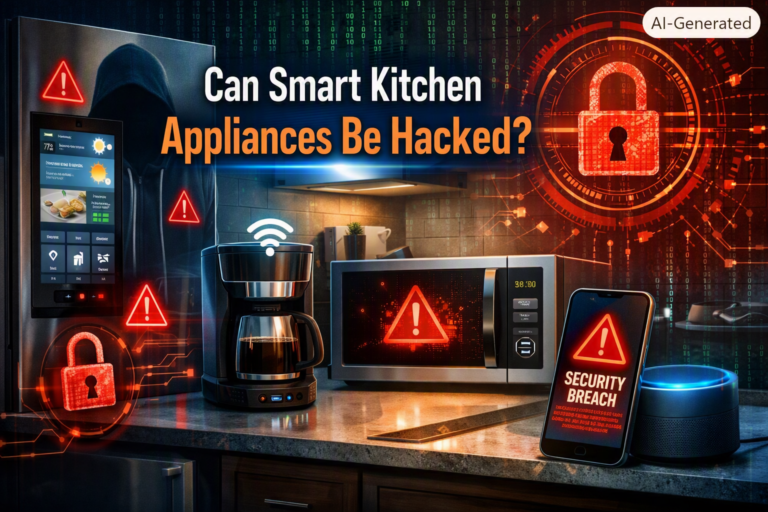
Smart kitchen appliances are changing how people cook and manage their homes. From smart refrigerators that track food to ovens you control with your phone, these devices make life easier. But as kitchens become more connected, many wonder: Can smart kitchen appliances be hacked? The answer isn’t simple, but it’s important for anyone using these devices to understand the risks and how to stay safe.
How Smart Kitchen Appliances Connect
Smart kitchen appliances use Wi-Fi, Bluetooth, or Zigbee to connect to your home network. They often communicate with apps on your phone or cloud services. For example, a smart coffee machine might let you start brewing from your bed. This connection means your appliances are now part of the Internet of Things (IoT), where everyday items share data and receive commands.
Here’s a quick comparison of the main connection methods:
| Connection Type | Typical Range | Security Features |
|---|---|---|
| Wi-Fi | 100-150 feet | Encryption, password protection |
| Bluetooth | 30-50 feet | Pairing, limited range |
| Zigbee | Up to 300 feet | Encryption, mesh network |
Real Examples Of Hacked Kitchen Devices
Smart kitchen appliances have been hacked before. In 2015, researchers showed how a smart fridge could be used to send spam emails. In 2017, hackers used a smart oven to gain access to home Wi-Fi networks. While these attacks were mainly done by security experts to show weaknesses, they prove that kitchen appliances can be a target.
Another case involved a smart coffee maker. Hackers managed to make the machine brew coffee nonstop, drain water, and even display strange messages. These cases may sound funny, but they show how hackers can control devices and even disrupt daily life.
Why Hackers Target Smart Kitchen Appliances
Hackers often look for devices with weak security. Many smart kitchen appliances use simple passwords or old software. Because these devices are connected to the internet, they can be used to:
- Steal private information like Wi-Fi passwords
- Use your device to attack other computers (botnets)
- Spy on your home through microphones or cameras
- Mess with appliance settings, causing damage or safety risks
One non-obvious risk: If a hacker controls your oven or stove, they could create a fire hazard. Another hidden problem is that some appliances store personal data like shopping lists, contacts, or routines. This data could be valuable for targeted scams.
Security Features And Weaknesses
Most smart appliances have basic security features, such as:
- Passwords or PIN codes
- Encryption for data sent over Wi-Fi
- Software updates to fix bugs
But there are common weaknesses:
| Security Feature | Common Weakness | Risk Level |
|---|---|---|
| Password protection | Default passwords not changed | High |
| Encryption | Outdated methods | Medium |
| Software updates | Updates not installed | High |
A surprising insight: Many users never update their appliance’s software, leaving them open to old hacks. Also, appliance makers sometimes stop supporting older models, so those devices remain vulnerable.
How To Protect Your Smart Kitchen
It’s possible to lower the risk of hacking. Here are practical tips:
- Change default passwords to strong, unique ones.
- Update software whenever possible.
- Only buy devices from trusted brands with good security records.
- Use a separate Wi-Fi network for smart appliances. This keeps your main devices (phones, laptops) safer.
- Disable features you don’t need, like remote access or cameras.
Smart kitchen appliances can be safer if you follow these steps. It’s also wise to check if your device has any known security problems. The US government’s Consumer Product Safety Commission often lists devices with safety issues.
What Happens If Your Appliance Is Hacked
If your smart appliance is hacked, you might notice:
- Unusual behavior (turning on/off)
- Strange messages or lights
- Loss of control from your app
- Slow Wi-Fi or network problems
If you suspect hacking, disconnect the appliance from the network, reset it, and update its software. Contact the manufacturer for advice.
How Manufacturers Are Improving Security
Many companies are now adding better security, such as:
- Two-factor authentication
- Automatic software updates
- Stronger encryption
- Security certifications
Some brands, like Samsung and LG, are leading the way with regular updates and bug fixes. Still, buyers should research before purchasing. Look for devices with clear security policies and good support.
Here’s a quick comparison of security features in leading brands:
| Brand | Security Updates | Two-Factor Auth | Encryption Level |
|---|---|---|---|
| Samsung | Monthly | Yes | High |
| LG | Quarterly | Yes | Medium |
| Generic Brands | Rare | No | Low |
Frequently Asked Questions
Can Hackers Control My Smart Oven Remotely?
Yes, if your smart oven’s security is weak, hackers could turn it on or off. This could cause safety risks, like overheating or fires.
What Personal Data Can Be Stolen From Smart Kitchen Appliances?
Smart appliances may store Wi-Fi passwords, shopping lists, and even voice recordings. Hackers can use this data for scams or to access other devices.
How Often Should I Update My Appliance’s Software?
Update your appliance’s software as soon as updates are available. Most experts recommend checking for updates every 2-3 months.
Are Smart Kitchen Appliances Safer Than Other Smart Home Devices?
Not always. Many kitchen appliances have simpler security, making them easier targets. Devices with cameras or microphones are especially risky.
What Should I Do If I Suspect My Appliance Is Hacked?
First, disconnect it from the network. Reset the device, update its software, and contact the manufacturer for help.
Smart kitchen appliances can make life easier, but they come with risks. By staying alert and following smart safety steps, you can enjoy the benefits while protecting your home. For more details about IoT security, see Wikipedia: Internet of Things.