
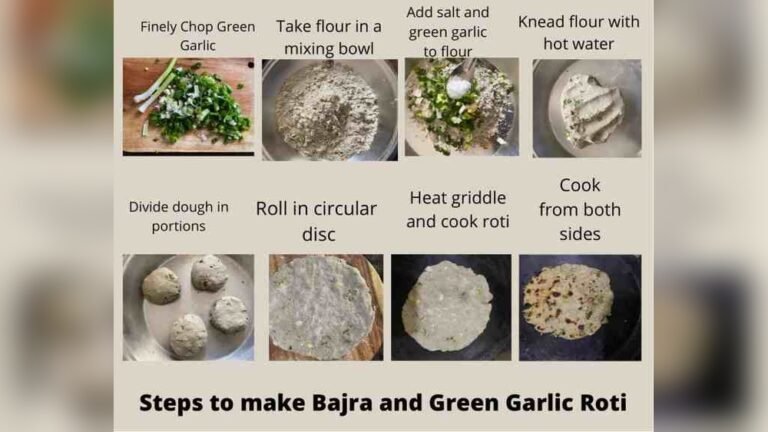
Making Bajra Roti is a tradition rooted in Indian kitchens, especially during winter. This flatbread is made from millet flour, known for its high fiber and essential minerals. Bajra roti is simple, nutritious, and gluten-free, making it popular with those who want healthy meals. Learning to make it at home helps you enjoy authentic flavors and gives you control over freshness and quality. If you want to add more whole grains to your diet or experience regional Indian food, this guide will show you how to make bajra roti step by step, highlight common mistakes, and share tips for perfect results.
Ingredients And Tools
To make bajra roti, you need only a few ingredients. Here’s what you’ll need for four rotis:
- Bajra flour (millet flour): 1 cup
- Warm water: 1/2 cup (adjust as needed)
- Salt: 1/4 teaspoon (optional)
- Ghee or oil: 1 tablespoon (optional, for brushing)
- Dry flour: A little for dusting
You’ll also need:
- Flat rolling board and rolling pin
- Tawa (flat skillet)
- Clean kitchen towel
Step-by-step Preparation
Making bajra roti is easy, but millet flour behaves differently from wheat flour. Follow these steps for best results:
1. Mixing The Dough
Place the bajra flour in a wide bowl. Add salt if you wish. Start adding warm water slowly while mixing with your fingers. The dough will feel coarse and dry at first. Keep adding water until the mixture comes together.
Bajra flour needs more kneading than wheat flour; press and roll the dough well for 4–5 minutes. The dough should be smooth but not sticky.
2. Dividing And Shaping
Divide the dough into four equal balls. Bajra dough can crack, so handle gently. Dust your hands with dry bajra flour to prevent sticking. Flatten each ball with your fingers, then use a rolling pin to make a round disc about 6 inches wide.
If cracks appear, patch them with your fingers.
3. Cooking The Roti
Heat the tawa on medium-high. Place the rolled roti on the hot tawa. Let it cook for 40–50 seconds until the edges lift. Flip it and cook the other side. Press gently with a towel to help it puff. Flip again and cook both sides until there are brown spots and the roti is cooked through.
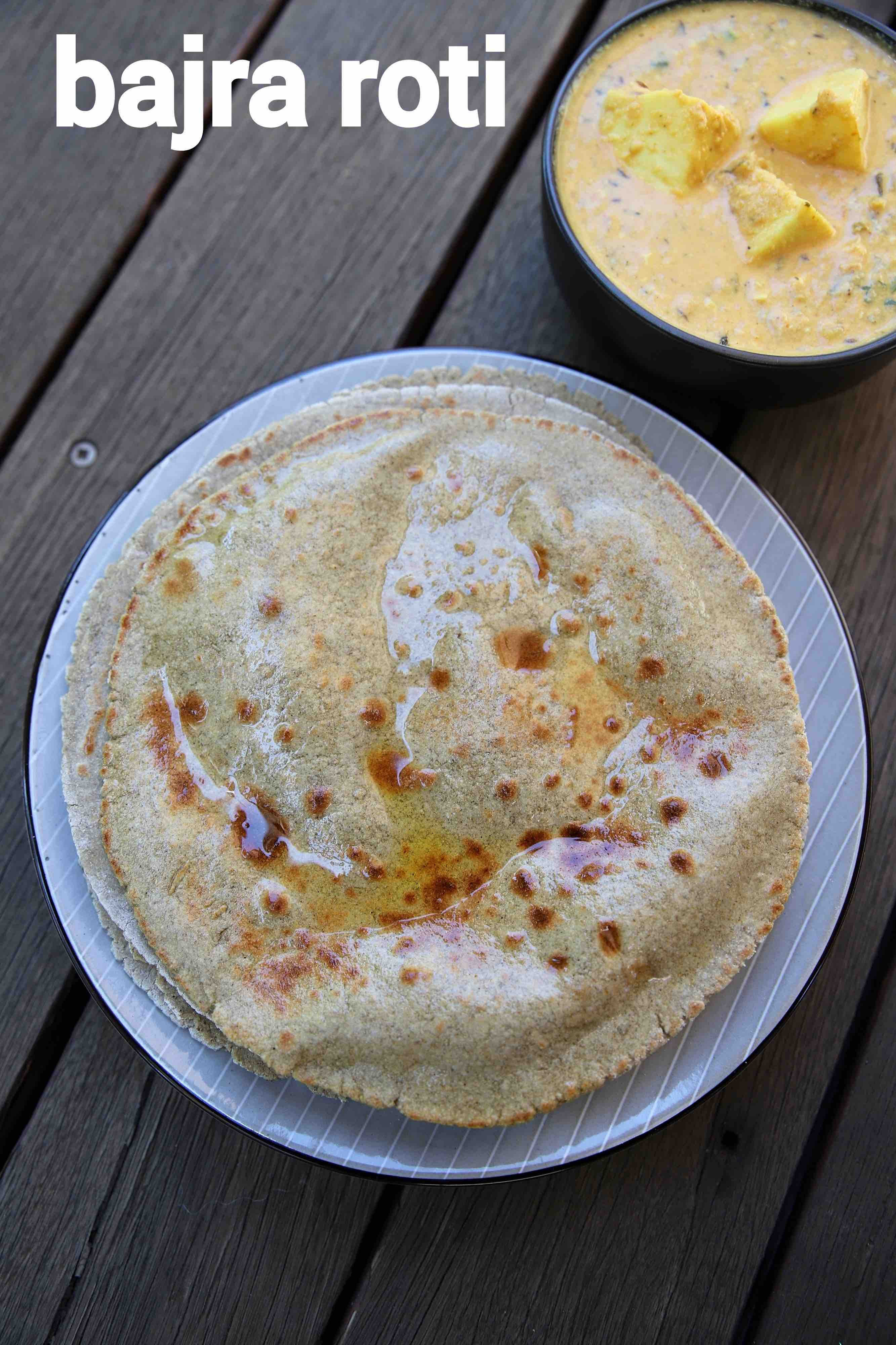
Brush with ghee or oil for extra flavor.
4. Serving
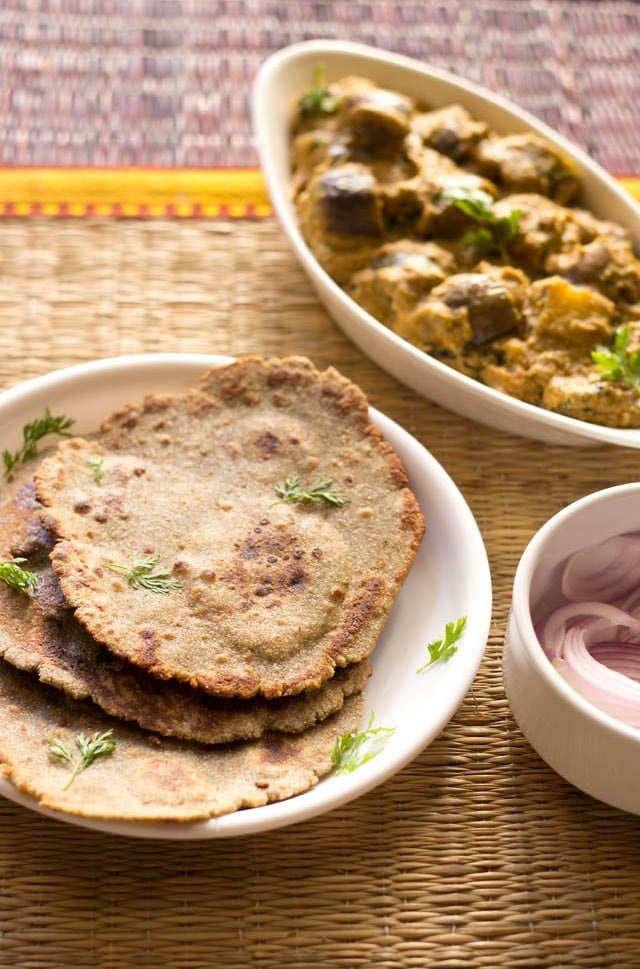
Serve bajra roti hot with dal, curry, or yogurt. It tastes best fresh and can become dry if kept too long.
Credit: www.vegrecipesofindia.com
Why Bajra Roti Is Healthy
Bajra roti is not just tasty—it’s packed with nutrition. Millet flour is high in fiber, magnesium, and iron. It’s good for digestion, helps control blood sugar, and supports heart health. Bajra is also gluten-free, making it ideal for those with gluten intolerance.
Here’s a quick nutritional comparison of bajra roti and wheat roti:
| Type | Calories (per roti) | Fiber (g) | Iron (mg) | Gluten |
|---|---|---|---|---|
| Bajra Roti | 120 | 3.5 | 2.5 | No |
| Wheat Roti | 100 | 2.0 | 0.8 | Yes |
Common Mistakes And How To Avoid Them
Many beginners face problems while making bajra roti. Here are some common mistakes:
- Dry dough: Bajra flour absorbs water slowly. Add water in small amounts and knead longer.
- Cracking edges: Use warm water and knead well. Patch cracks with your fingers.
- Sticking to tawa: Dust the roti with dry flour before placing it on the tawa.
- Hard rotis: Cook on medium heat and brush with ghee after cooking.
An insight many miss: millet flour should be fresh. Old flour makes rotis taste bitter and hard to roll.

Credit: www.youtube.com
Variations And Serving Ideas
You can add flavors to bajra roti for variety:
- Mix chopped onions, coriander, or green chilies into the dough.
- Add spices like cumin or ajwain for extra aroma.
- Serve with butter, chutney, or jaggery for a traditional touch.
Bajra roti is often paired with spicy curries or simple dal. In Rajasthan, it’s eaten with garlic chutney and buttermilk.
Bajra Roti Vs Other Millet Rotis
Different types of millet rotis offer unique nutrition and taste. Here’s a comparison:
| Millet Type | Texture | Main Nutrient | Common Region |
|---|---|---|---|
| Bajra (Pearl Millet) | Coarse, earthy | Iron | Rajasthan, Gujarat |
| Jowar (Sorghum) | Softer, lighter | Calcium | Maharashtra, Karnataka |
| Ragi (Finger Millet) | Soft, nutty | Calcium | South India |
Credit: hebbarskitchen.com
Practical Tips For Perfect Bajra Roti
- Always use warm water for kneading; it helps bind the flour better.
- Knead until the dough feels elastic—this makes rolling easier.
- Don’t rush cooking; let each side cook fully before flipping.
- If your roti doesn’t puff, press gently with a towel.
- Store leftover rotis in a cloth-lined box to keep them soft.
Another tip: try mixing a little wheat flour (10–20%) if you’re new to millet. It makes the dough easier to handle.
Frequently Asked Questions
How Do I Store Leftover Bajra Roti?
Wrap rotis in a clean cloth and keep in an airtight box. They stay soft for 6–8 hours. Reheat on a tawa before eating.
Is Bajra Roti Good For Diabetes?
Yes, bajra roti is rich in fiber and has a low glycemic index. It helps control blood sugar and is recommended for diabetics.
Can I Freeze Bajra Roti?
You can freeze cooked rotis. Place parchment between each, wrap tightly, and store for up to two weeks. Thaw and reheat on a tawa.
What Is The Best Side Dish For Bajra Roti?
Bajra roti pairs well with dal, mixed vegetable curry, or spicy chutneys. Yogurt and pickles add extra flavor.
Where Can I Find Authentic Bajra Flour?
Buy from local Indian stores or online. For quality information, visit Wikipedia.
Making bajra roti at home is simple with a bit of practice. It’s a healthy addition to your meals, rich in taste and nutrition. Try it, enjoy the traditional flavors, and bring the goodness of millet to your kitchen.