
Making your own pasta from scratch is both satisfying and easier than many people think. With just a few simple ingredients, you can create a meal that tastes fresher and richer than anything from a box. Fresh pasta absorbs sauce better, has a delicate texture, and lets you control every aspect, from flavor to shape.
Even if you’re new to cooking, you’ll find that homemade pasta can become a regular part of your kitchen.
Ingredients And Tools You Need
To keep things simple, you only need a few key items. Here’s what you should gather before starting:
Basic Ingredients:
- All-purpose flour: 2 cups (plus extra for dusting)
- Large eggs: 3
- Salt: 1/2 teaspoon
- Olive oil (optional): 1 tablespoon
Essential Tools:
- Large clean surface (like a countertop)
- Mixing bowl
- Fork or whisk
- Rolling pin (or pasta machine for easier rolling)
- Sharp knife or pizza cutter
A pasta machine isn’t required, but it helps make the dough thin and even. Many home cooks start with just a rolling pin and knife.
Step-by-step: Making And Shaping Pasta Dough
1. Mixing The Dough
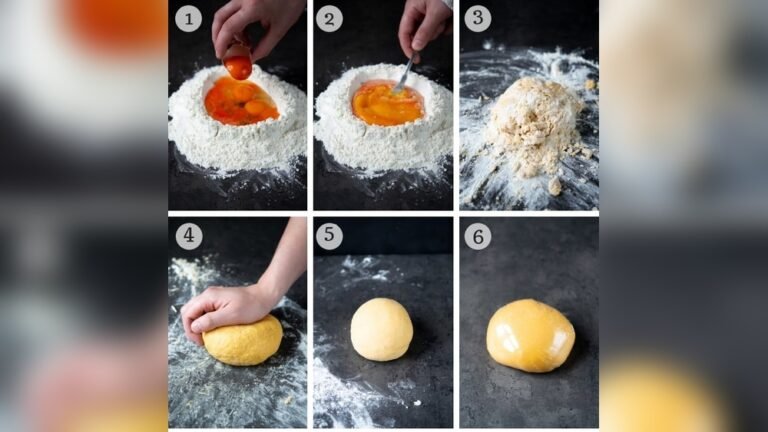
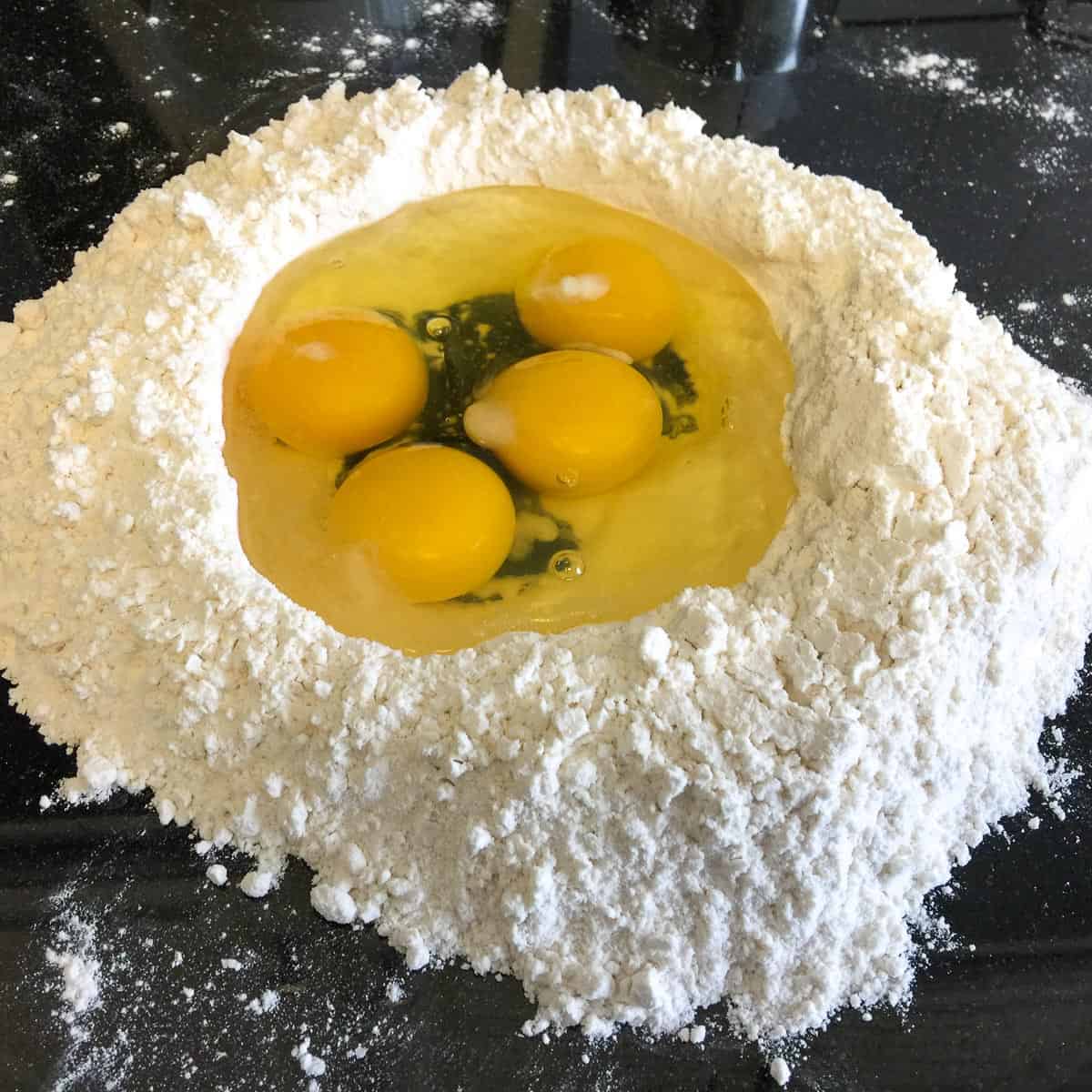
Start by pouring flour onto a clean surface or into a bowl. Make a well in the center. Crack the eggs into the well, add salt, and pour in olive oil if using. Use a fork to gently mix the eggs, slowly pulling in flour from the sides.
When the mixture gets sticky, use your hands to bring the dough together. Knead for about 8-10 minutes. The dough should become smooth and elastic. If it’s too sticky, add a sprinkle of flour. If it’s dry, wet your hands and knead again.
Non-obvious insight: Many beginners stop kneading too soon. Proper kneading develops gluten, which gives pasta its chewy texture.
2. Resting The Dough
Wrap the dough in plastic wrap or cover with a bowl. Let it rest at room temperature for at least 30 minutes. This allows the gluten to relax, making it much easier to roll out.
Pro tip: If you skip this rest, the dough will shrink back when you try to roll it.
3. Rolling Out The Dough
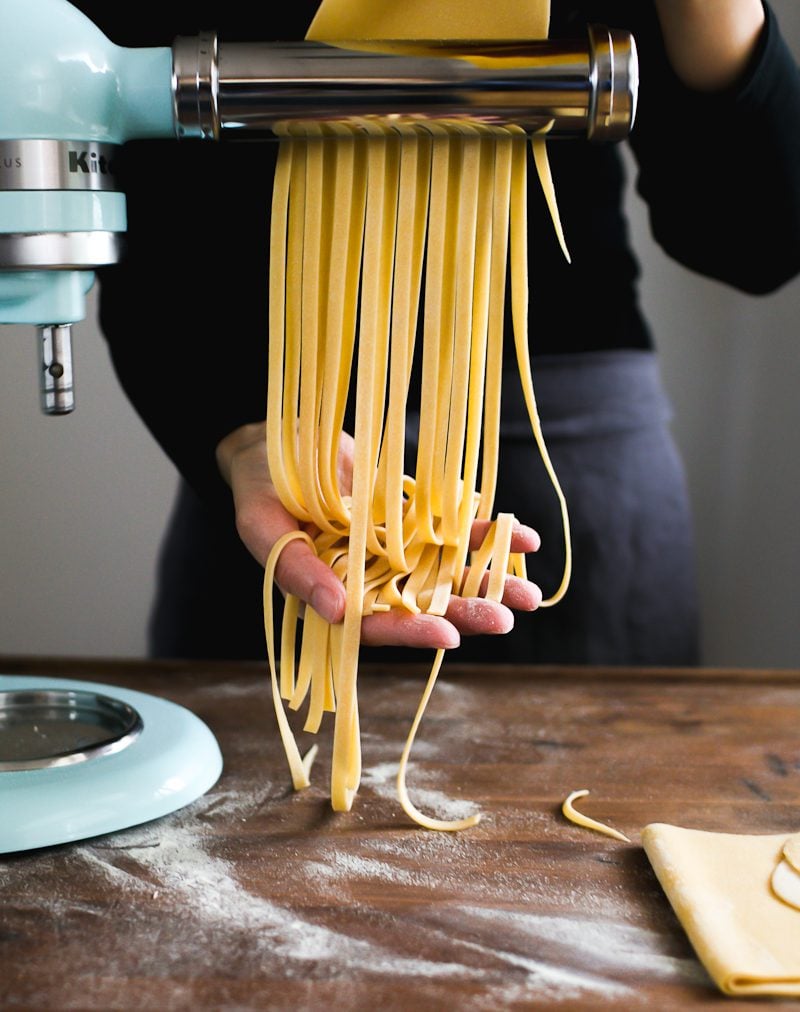
Cut the dough into 2-4 pieces. Work with one piece at a time, keeping the rest covered. Flatten the dough with your hands, then use a rolling pin to make it as thin as possible—almost see-through. If you’re using a pasta machine, start on the widest setting and gradually make it thinner.
Example: For fettuccine, aim for dough about the thickness of a credit card.
4. Cutting And Shaping
Dust the dough with flour to prevent sticking. Fold it gently, then cut into strips for fettuccine or tagliatelle. For shapes like pappardelle, cut wider strips. To make lasagna sheets, just cut rectangles.
You can also use this dough to make filled pastas like ravioli. Simply place fillings between two sheets, press the edges, and cut into shapes.

Credit: shaynaskitchen.com
Cooking Fresh Pasta
Fresh pasta cooks much faster than dried pasta. Bring a large pot of water to a rolling boil, add a generous amount of salt, and gently drop in the pasta. Stir to prevent sticking.
- Cooking time: 2-4 minutes, depending on the thickness and shape.
- Test a piece after 2 minutes; it should be tender but still slightly firm (al dente).
When done, drain the pasta but keep a bit of cooking water. This starchy water is perfect for mixing into sauces to help them stick to the noodles.
Comparing Homemade Vs. Store-bought Pasta
To understand the difference, see how homemade and dried pasta compare:
| Feature | Homemade Pasta | Store-Bought Pasta |
|---|---|---|
| Texture | Soft, tender, absorbs sauce well | Firmer, chewier, less sauce absorption |
| Cooking Time | 2-4 minutes | 8-12 minutes |
| Flavor Control | High, can add herbs/flavorings | Limited to product types |
| Storage | Short (use within 2 days) | Long shelf life |
Common Mistakes To Avoid
Many first-time pasta makers run into similar issues. Watch out for these:
- Too much flour: Makes the dough dry and cracks while rolling.
- Not kneading enough: Leads to a crumbly, fragile dough.
- Skipping the rest: Dough becomes hard to roll and cuts unevenly.
- Rolling too thick: Pasta will be chewy and take longer to cook.
- Forgetting to flour dough: Causes noodles to stick together.
Pasta Shapes You Can Make
You don’t need special tools to make different types of pasta. Here’s a quick comparison of shapes and best sauces:
| Pasta Shape | How to Make | Best Sauce |
|---|---|---|
| Fettuccine | Cut thin strips | Creamy or tomato sauces |
| Tagliatelle | Cut slightly wider strips | Meat-based sauces |
| Pappardelle | Cut wide strips | Hearty ragù |
| Lasagna | Cut large rectangles | Baked with layers |
Credit: www.theclevercarrot.com
Storing And Using Fresh Pasta
After cutting, spread the pasta on a floured surface or hang it over a rack. Let it dry for about 30 minutes if you won’t cook it immediately.
- Refrigeration: Store in an airtight container in the fridge for up to 2 days.
- Freezing: Lay pasta flat on a baking sheet, freeze, then transfer to a bag. Lasts up to 2 months.
Beginner tip: Always cook pasta straight from the fridge or freezer—don’t thaw first, or it might stick together.
Serving Suggestions And Extras
Fresh pasta pairs well with simple sauces that highlight its texture. Try these ideas:
- Classic tomato sauce: Bright and tangy
- Brown butter and sage: Nutty and aromatic
- Olive oil and garlic: Quick and flavorful
- Homemade pesto: Fresh and herbal
Don’t forget to finish with a sprinkle of Parmesan cheese and a dash of black pepper.
Credit: joeeatsworld.com
Frequently Asked Questions
How Long Does It Take To Make Pasta From Scratch?
From start to finish, making pasta by hand takes about 1 to 1.5 hours. Most of this time is spent resting and rolling the dough.
Can I Use Whole Wheat Or Other Flours?
Yes, but whole wheat flour makes the dough denser and harder to roll. You can mix half all-purpose with half whole wheat for a balance of flavor and texture.
Do I Need A Pasta Machine?
No. A rolling pin works well for most shapes. A pasta machine helps get even thin sheets, but it’s not essential for beginners.
Why Is My Pasta Dough Tough Or Crumbly?
Usually, this means not enough kneading or too much flour. Add a little water and keep kneading until smooth and elastic.
Where Can I Learn More About Pasta Traditions?
For more on pasta history and regional varieties, visit the Wikipedia Pasta page.
Homemade pasta is a simple way to bring fresh Italian flavors to your table. With a little practice, you’ll discover that making pasta from scratch is not just about food—it’s about enjoying the process. Whether you keep it classic or try new shapes, every bite will remind you why homemade is worth it.