
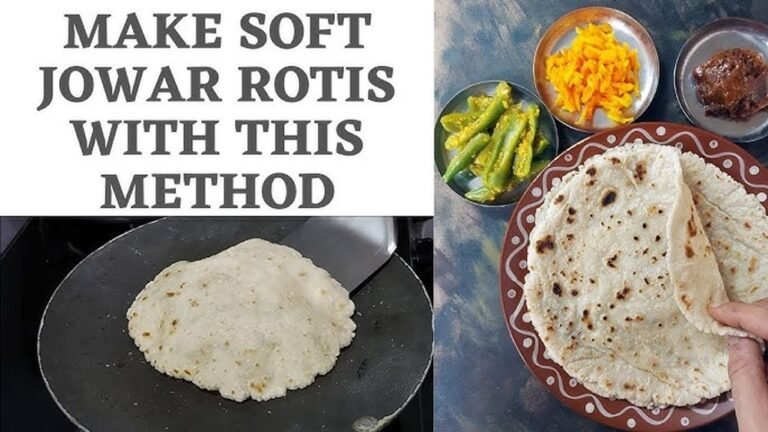
Jowar roti, also known as sorghum flatbread, is a staple food in many parts of India. It is gluten-free, rich in fiber, and packed with essential nutrients. Making jowar roti at home may seem difficult at first, but with the right steps, anyone can master it. This guide shows how to make soft and tasty jowar rotis, along with tips and common mistakes to avoid. Whether you want to add healthier grains to your diet or explore Indian cooking, this article will help you get started.
Why Choose Jowar Roti
Jowar, or sorghum, is a whole grain with many health benefits. It is high in protein, iron, and antioxidants. Unlike wheat rotis, jowar rotis are naturally gluten-free, making them ideal for people with gluten intolerance. Eating jowar regularly may help control blood sugar, support digestion, and lower cholesterol.
| Grain | Protein (g/100g) | Fiber (g/100g) | Gluten |
|---|---|---|---|
| Jowar (Sorghum) | 11 | 9 | No |
| Wheat | 13 | 2.7 | Yes |
| Rice | 7 | 0.4 | No |
Jowar rotis are a good choice for those looking to eat more whole grains and reduce gluten in their meals.
Ingredients And Preparation
To make jowar roti, you need only a few ingredients. The process is simple but requires practice.
Ingredients (makes 6 Rotis)
- Jowar flour: 2 cups
- Hot water: 1 cup (approximate)
- Salt: 1/2 teaspoon (optional)
You can find jowar flour at most Indian grocery stores or health food shops.
Tools
- Mixing bowl
- Rolling pin (optional)
- Flat pan or skillet (tava)
- Clean cloth
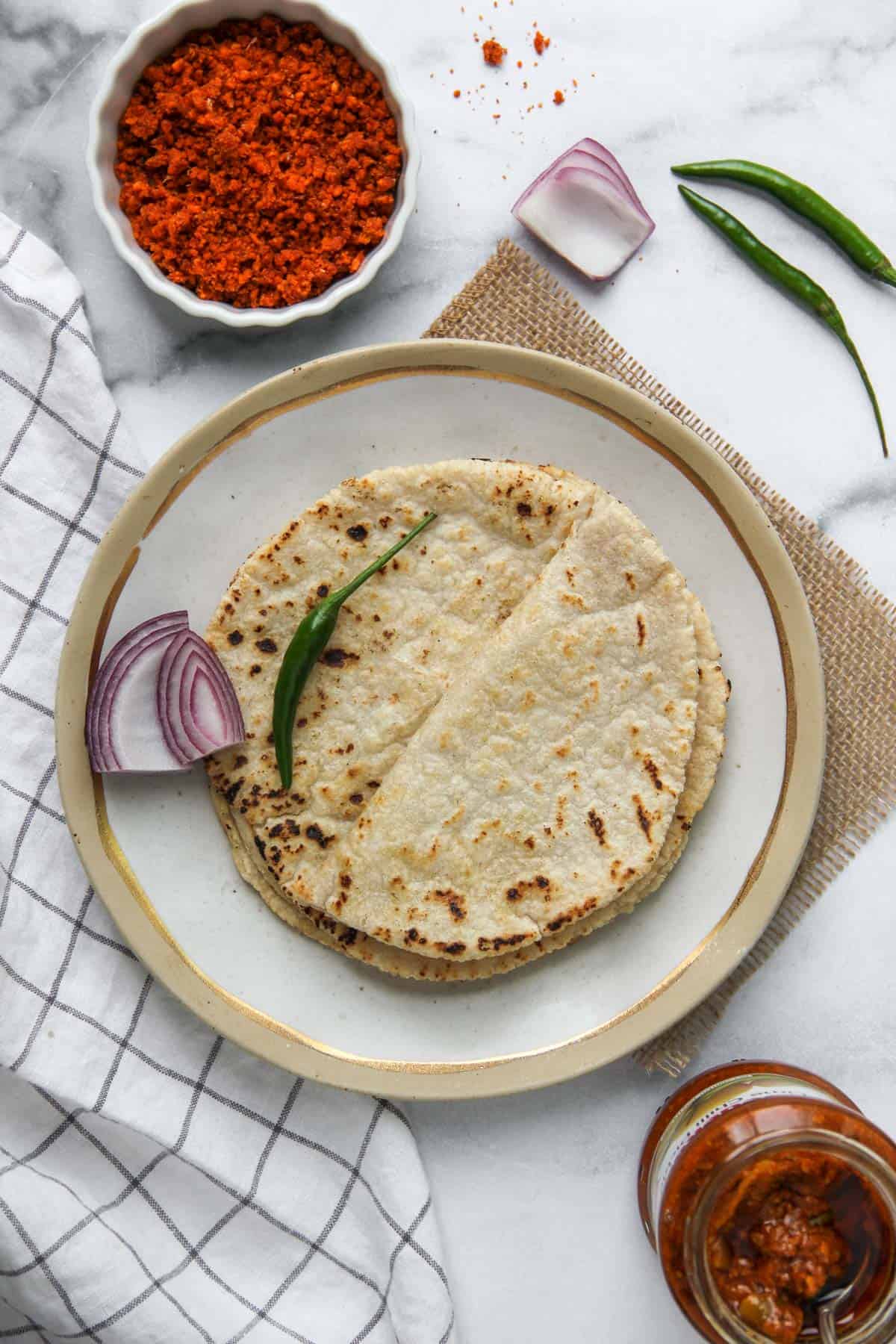
Credit: ministryofcurry.com
Step-by-step Instructions
- Mix the dough: Place the jowar flour in a bowl. Add salt if you like. Slowly pour hot water and mix with a spoon or your hand. The water should be hot but not boiling. Add water in small amounts to form a soft dough.
- Knead well: Once the dough comes together, knead it for 3-5 minutes. The dough should be smooth and slightly sticky but not too wet.
- Divide and shape: Divide the dough into 6 equal balls. Cover them with a damp cloth to prevent drying.
- Roll the rotis: Take one ball and flatten it between your palms. Sprinkle some dry jowar flour on the rolling surface. Gently roll out the ball to a round shape, about 6 inches in diameter. If the dough cracks, press it back together with your fingers.
- Cook on the skillet: Heat the pan on medium-high. Place the rolled roti on the hot skillet. Cook for 30 seconds, then flip. Cook the other side until small brown spots appear.
- Puff the roti: For a softer roti, place it directly on the flame after cooking both sides. It will puff up. If you don’t have a gas stove, press gently with a cloth to help it puff.
- Serve: Remove and keep the roti wrapped in a cloth. Serve hot with curry, chutney, or yogurt.
| Step | Time (minutes) | Key Tip |
|---|---|---|
| Mixing dough | 3 | Use hot water |
| Kneading | 5 | Knead well |
| Rolling | 5 | Handle gently |
| Cooking | 2 per roti | Medium-high heat |
Total cooking time: About 20-25 minutes for 6 rotis.
Practical Tips For Perfect Rotis
Making jowar roti is different from making wheat rotis. Here are some tips:
- Hot water is key: Always use hot water for the dough. Cold water makes the dough hard and dry.
- Keep the dough moist: Cover the dough balls with a damp cloth. Jowar flour dries quickly.
- Don’t over-roll: Too much rolling can break the roti. Patting by hand is common in traditional homes.
- Cook on high heat: Low heat makes the roti hard. Use a hot pan for soft rotis.
- Practice matters: The first few rotis may not be perfect. With practice, you’ll learn the right texture and thickness.
A common beginner mistake is not kneading enough. Proper kneading helps make the rotis soft and pliable.
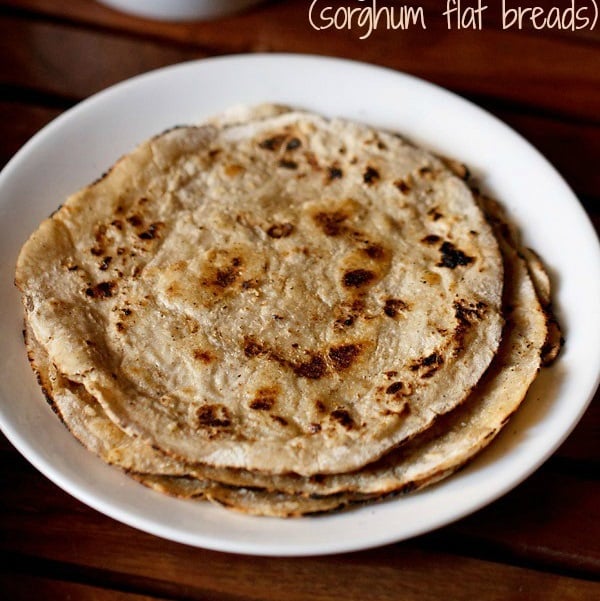
Credit: www.vegrecipesofindia.com
Health Benefits And Nutrition
Jowar rotis are rich in fiber, which helps with digestion and keeps you full longer. They are also high in iron, which supports blood health. For those with diabetes, jowar rotis have a lower glycemic index than wheat rotis, helping to control blood sugar.
| Nutrition per Roti | Amount |
|---|---|
| Calories | 90 |
| Protein | 2g |
| Fiber | 3g |
| Iron | 1mg |
Many nutritionists recommend jowar for its high mineral content and gluten-free property. For more scientific details, see Wikipedia.
Serving Suggestions
Jowar rotis taste best when served fresh and hot. They pair well with:
- Vegetable curries
- Lentil dishes (dal)
- Pickles and chutneys
- Yogurt or buttermilk
For added flavor, brush the roti with a little ghee or oil before serving. In some regions, people eat jowar roti with spicy chutneys and onion.

Credit: www.youtube.com
Frequently Asked Questions
How Do I Make Jowar Roti Soft?
Use hot water to make the dough and knead it well. Cover the dough balls with a damp cloth. Cook on high heat and serve immediately for best softness.
Can I Store Jowar Rotis For Later?
Jowar rotis are best eaten fresh. If you need to store them, wrap in a cloth and place in an airtight box. Reheat on a skillet before serving.
Is Jowar Roti Good For Weight Loss?
Yes, jowar roti is high in fiber and keeps you full for longer. It is lower in calories than wheat roti and does not spike blood sugar quickly.
Why Does My Roti Crack While Rolling?
If the dough is too dry, it will crack. Add more water and knead well. Sprinkle dry flour only as needed.
Can I Mix Jowar Flour With Other Flours?
Yes, you can mix jowar with wheat or rice flour for easier rolling and different flavors. Pure jowar rotis need more practice.
Making jowar roti at home gives you a healthier, tasty option for your meals. With a few simple steps and patience, you can enjoy this traditional Indian flatbread. Try it for breakfast or lunch and see the difference for yourself.